Mount Rainier Day Trip from Seattle: What to See & Do (2026)
🚗 2–3 hrs from Seattle | 🏔 Alpine scenery | 🌼 Wildflowers (summer) | ❄️ Snow possible year-round
Best for: Hikers, photographers, scenic drives, weekend trips
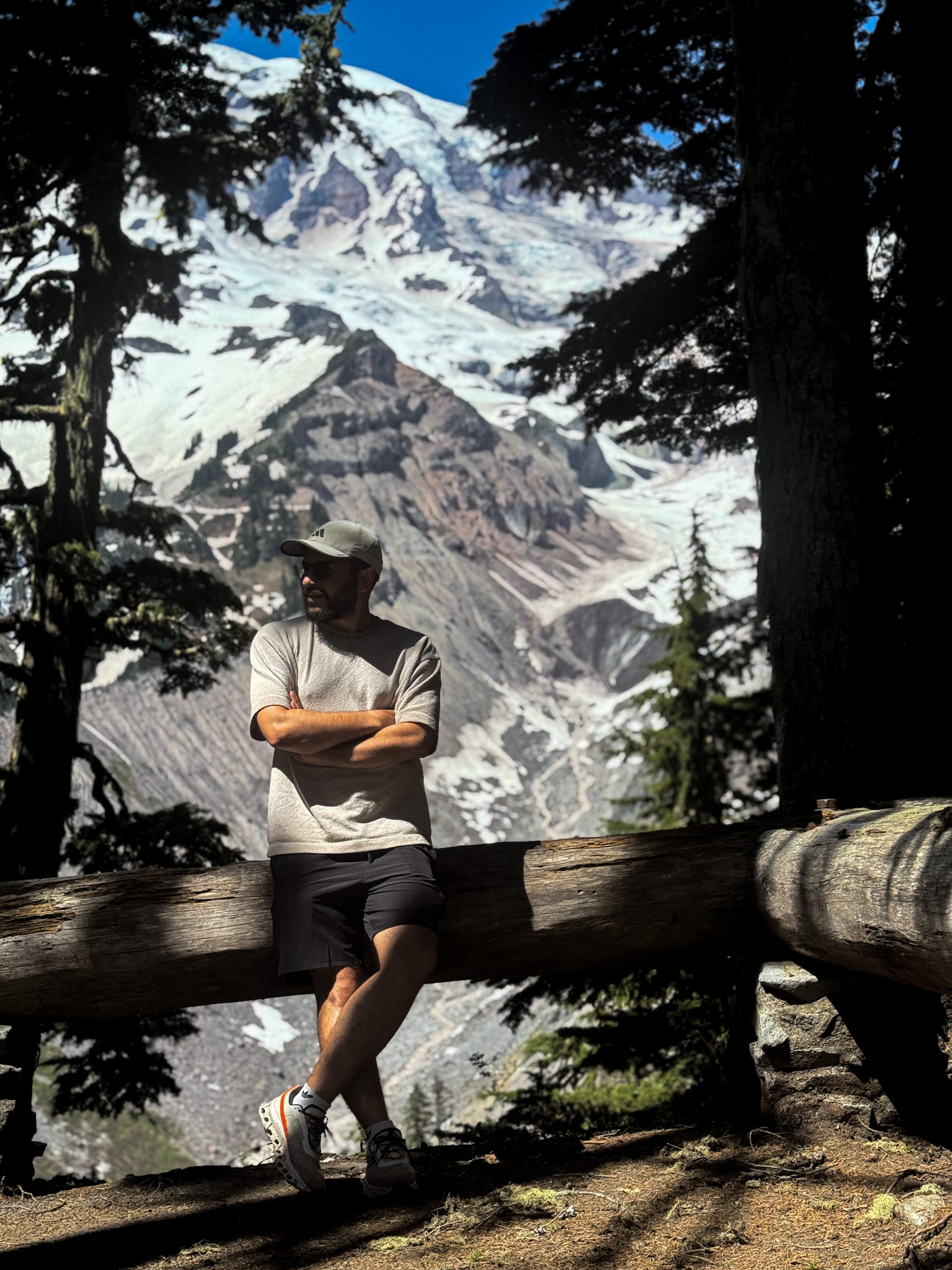
Mount Rainier National Park is one of the most iconic and awe-inspiring weekend getaways from Seattle and one of the most visited national parks in Washington State. Rising 14,410 feet above the surrounding landscape, Mount Rainier dominates the skyline on clear days and feels almost unreal in both scale and presence, making it a must-visit destination for outdoor lovers and first-time visitors alike.
This guide focuses on realistic trip planning, seasonal access, and choosing the right Mount Rainier area — not just a list of viewpoints.
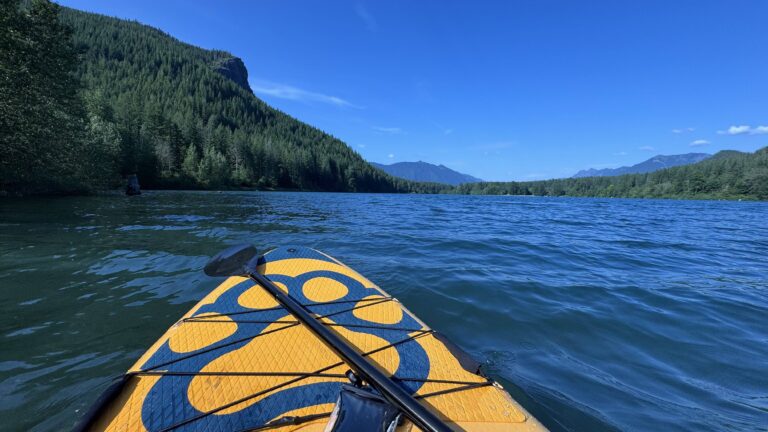
Located just 2–3 hours from Seattle, Mount Rainier National Park is an easily accessible destination for both day trips and 2–3 day adventures. Visitors can enjoy a wide range of activities throughout the year, including scenic drives, alpine hiking trails, waterfall viewpoints, wildflower meadows, reflective alpine lakes, camping, snowshoeing, and even paddle boarding at nearby Alder Lake. The best things to do in Mount Rainier vary by season, making trip planning especially important.
This Mount Rainier travel guide covers the best things to do in Mount Rainier National Park, when to visit, popular areas like Paradise and Sunrise, itinerary ideas, entrance fees, and essential planning tips to help you make the most of your visit. Whether you’re visiting Mount Rainier for a quick Seattle day trip or planning a longer national park itinerary, this guide is designed to help you experience the park efficiently and realistically.
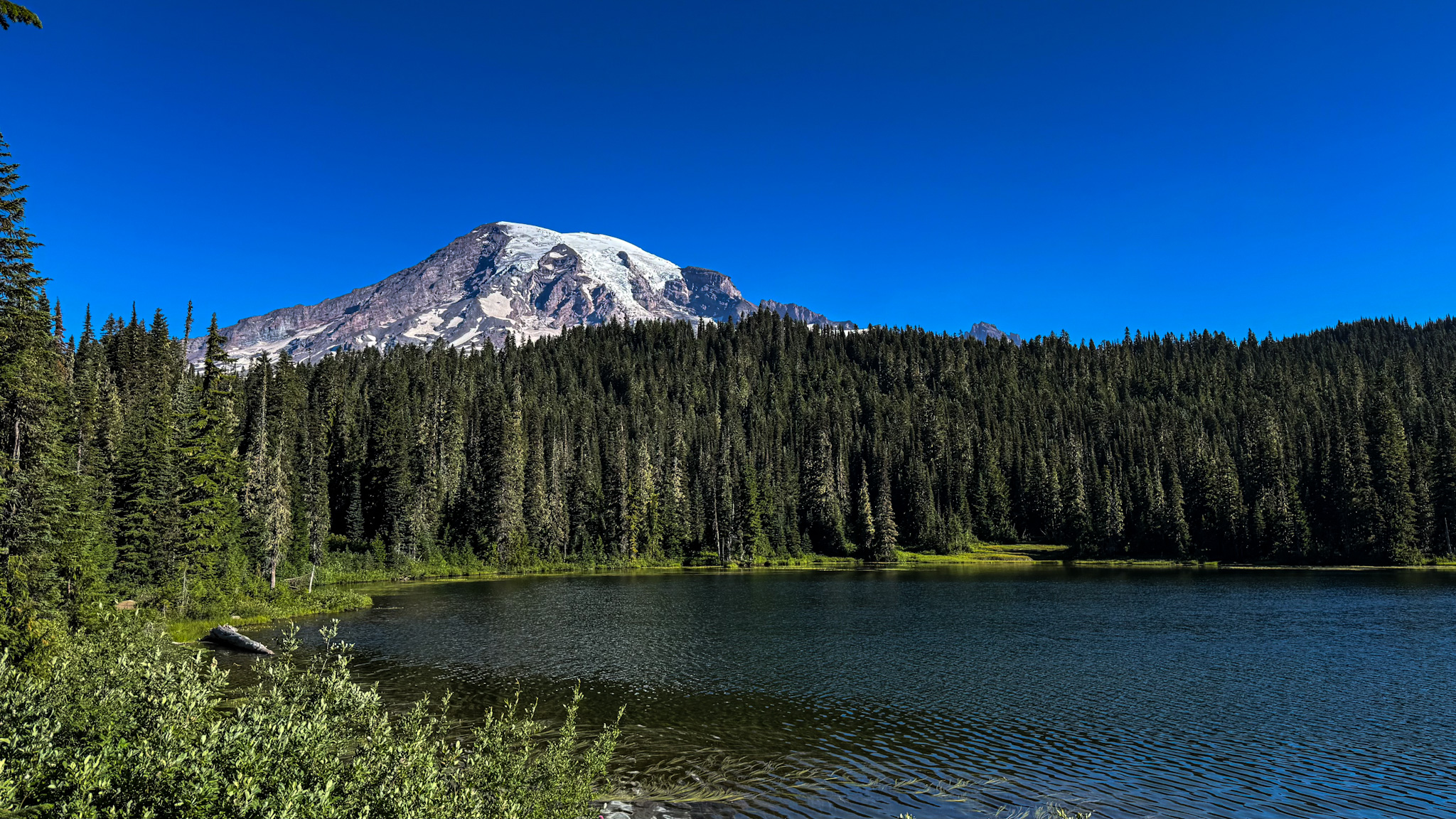
I visited Mount Rainier National Park multiple times, including January 2025 and May 2025, exploring key areas such as Sunrise, Paradise, and Reflection Lakes, and driving the full loop roads around the park. This guide is based on firsthand experience, real trail conditions, seasonal road access, parking challenges, and realistic timing. I completed multiple hikes and even arrived early in the morning to watch the sunrise at Reflection Lake, one of the most iconic viewpoints in the park.
Start Here
Quick Planning Snapshot
• Best 1 day → Paradise area – Nisqually Vista trail – Reflection Lake
• Best hiking (summer) → Sunrise
• Best hiking (winter) → Paradise
• If photography is your priority → Reflection Lake (sunrise best)
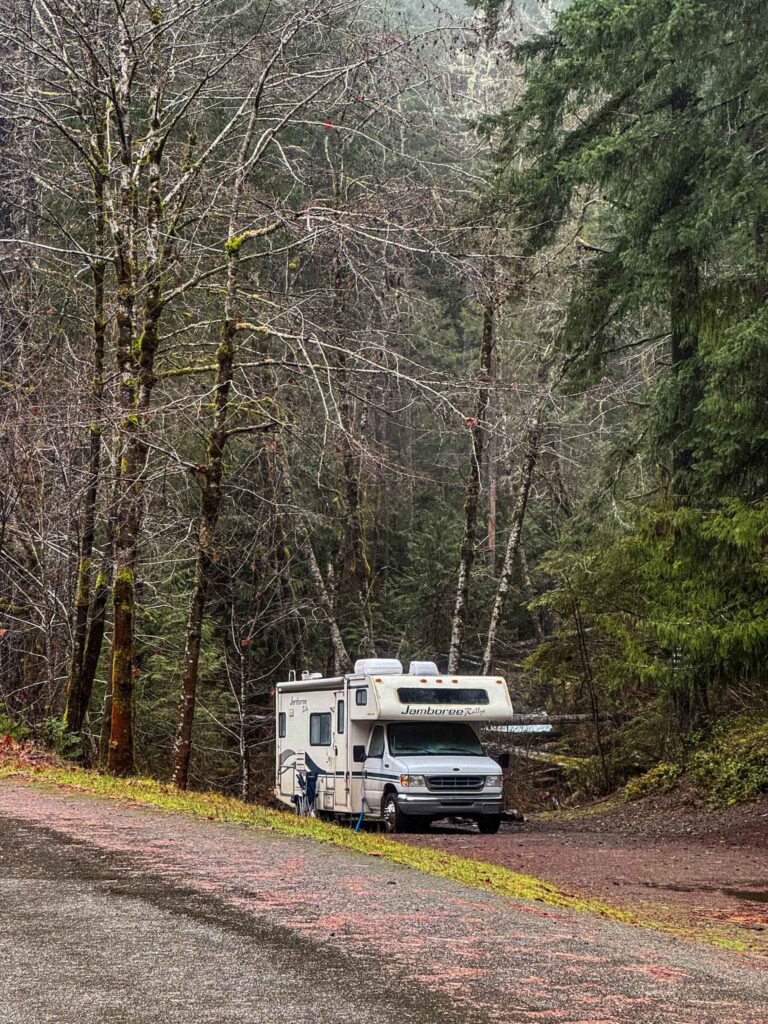
• RV friendly base → Cougar Rock / Ashford
• Want detailed routes? → [3-Day Itinerary]
Biggest Mistakes at Mount Rainier
• Arriving after 10am in summer
• Not checking road status especially winter time
• Assuming Sunrise is open year-round
• Underestimating snow even in the summer we see snow in the Mt Rainier
Hiking for each season
🌸Spring (May–June)
• Nisqually Vista
• Silver Falls (Ohanapecosh)
• Carbon River
🌼 Summer (July–September)
• Skyline Trail (Paradise)
• Pinnacle Peak
• Glacier Basin
• Burroughs Mountain
🍂 Fall (October)
• Paradise area loops
• Reflection Lake short walks
❄️ Winter (Nov–April)
• Paradise snowshoe trails
• Nisqually Vista (snow conditions)
Content table
Why I built this guide
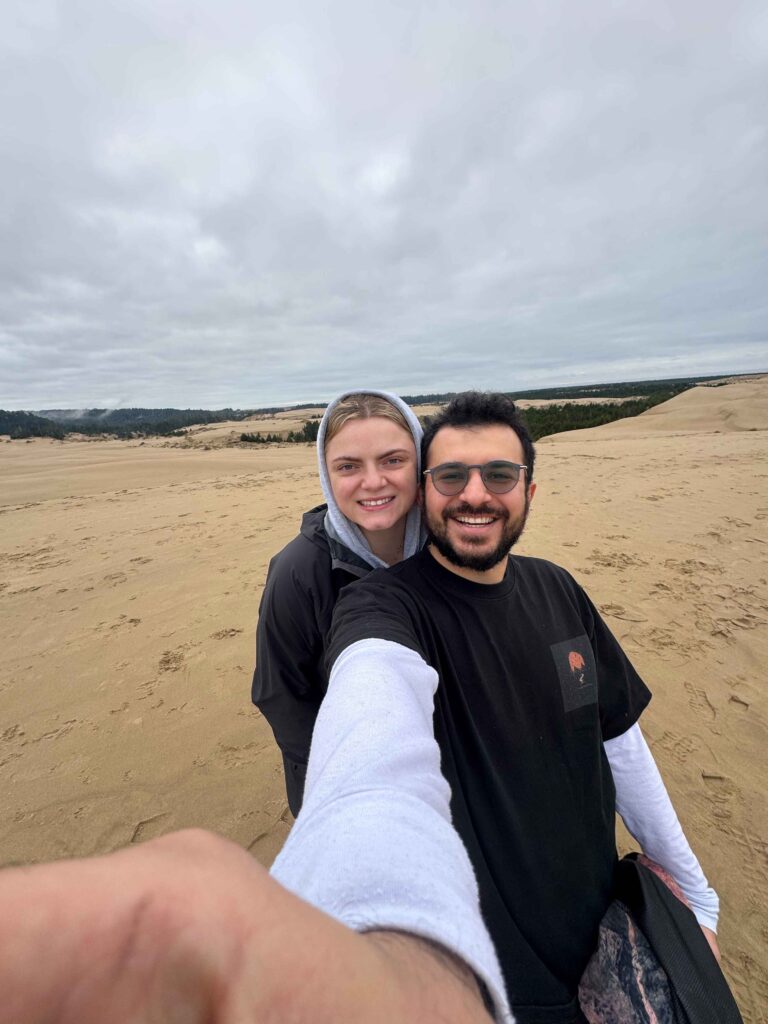
I live in the Pacific Northwest and spend a lot of time exploring the areas around Seattle, especially places that can be reached in a few hours or less. I’m drawn to trips that don’t require long drives or packed itineraries — just good scenery, time outdoors, and space to slow down.
The places on this page aren’t recommendations pulled from a list. They’re destinations I’ve personally visited, camped at, hiked through, or spent real time exploring. I built this guide to share the kinds of weekend getaways I actually return to — places that feel like a reset, not a checklist.
If you’re looking for realistic trips, honest experiences, and ideas that work for both quick escapes and slower weekends, you’re in the right place.
How Far Is Mount Rainier from Seattle?
Quick answer: 2–3 hours by car depending on entrance and traffic.
Mount Rainier National Park is approximately 2 to 3 hours from Seattle by car, depending on traffic, weather, and which entrance you use. This makes it one of the most convenient national park escapes in Washington.
The most commonly used entrance is via Highway 706 (Nisqually Entrance) near Ashford, which typically remains open year-round, weather permitting. Other roads, such as Stevens Canyon Road, often close seasonally due to snow and may not reopen until late spring or early summer.
Before visiting—especially in winter or shoulder seasons—always check current road conditions and closures on the official National Park Service website.

Mount Rainier Regions Explained: Which Area Is Best for You?
Mount Rainier National Park is massive, and choosing the right area can completely change your experience. Below is a quick breakdown of the park’s main regions so you can decide where to go based on scenery, hiking style, and crowd levels.
Paradise Area (Most Popular & Iconic)
Paradise is the most visited area of Mount Rainier—and for good reason. It offers classic postcard views of the mountain, vibrant wildflower meadows in summer, and some of the park’s best easy-to-moderate hikes.
Best for:
Wildflowers, iconic views, first-time visitors, short scenic hikes
Sunrise Area (Highest Elevation by Road)
Sunrise is the highest point in the park accessible by car. With sweeping alpine vistas and open ridgelines, it’s one of the best areas of Mount Rainier for panoramic scenery and photography.
Best for:
High-elevation views, fewer trees, late-season hiking, photographers
Ohanapecosh Area (Forest & Waterfalls)
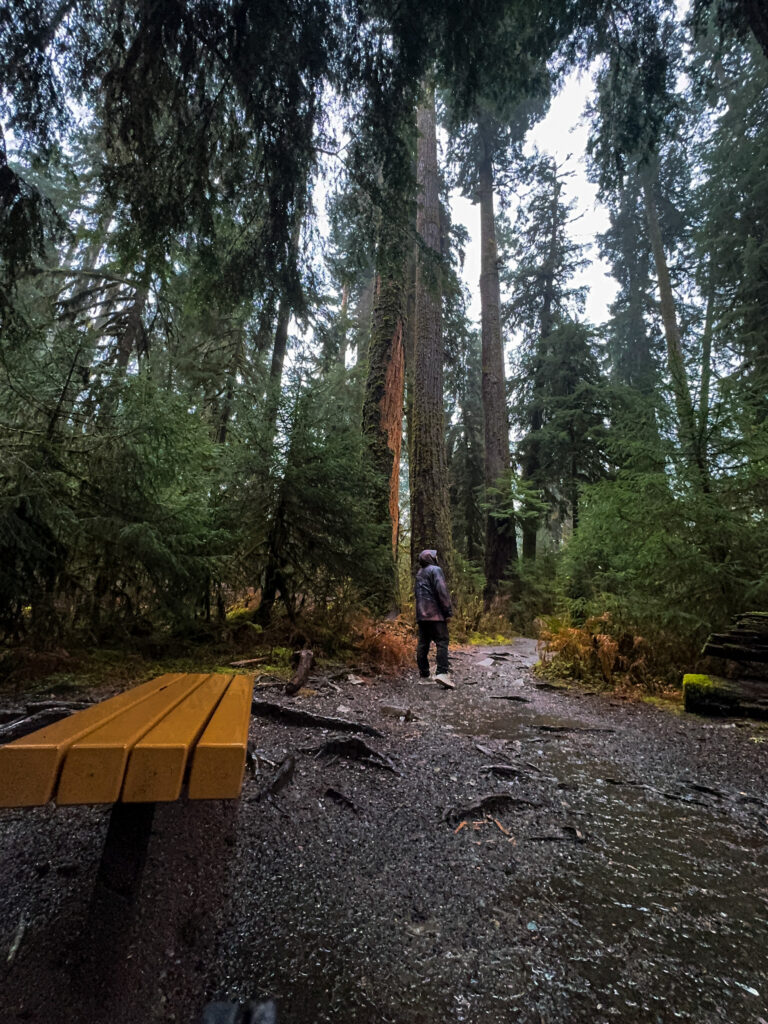
Ohanapecosh offers a quieter, greener side of Mount Rainier. Dense old-growth forest, rivers, and waterfalls define this area, making it ideal if you want fewer crowds and a cooler, shaded environment.
Best for:
Lush forest scenery, waterfalls, camping, fewer crowds
Carbon River Area (Remote & Quiet)
Carbon River is the most remote area of the park and feels almost untouched. With limited access and a rainforest atmosphere, it’s often considered the best area of Mount Rainier for solitude.
Best for:
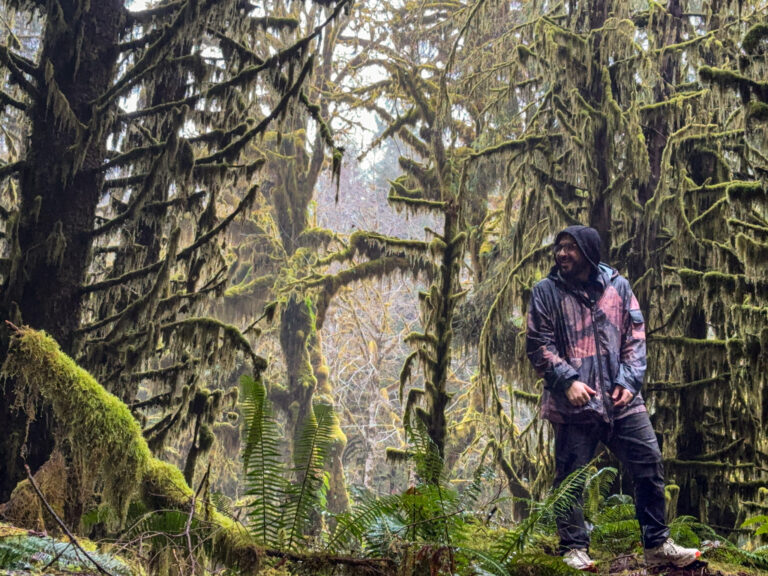
Solitude, mossy rainforest landscapes, adventurous hikers, minimal crowds
So, What Is the Best Area of Mount Rainier?
There’s no single best area of Mount Rainier for everyone—Paradise is ideal for iconic views, Sunrise for elevation and scenery, Ohanapecosh for forests and waterfalls, and Carbon River for solitude. The best choice depends on your interests, season, and tolerance for crowds.
When is the best time to visit Mt Rainier
Quick answer: July through September offers the best access and wildflowers, while spring and fall are quieter with limited road access, and winter is best for snow activities.
🌸 Summer (July–September)
Pros: Wildflowers, best hiking access
Cons: Busiest season
Access: Most areas open
→ Arrive before 8am for parking at Paradise.
🍁 Fall (October)
Pros: Fewer crowds
Cons: Limited services
Access: Some roads may close
❄️ Winter (November–April)
Pros: Snow scenery, winter activities
Cons: Chains often required
Access: Mostly limited to Paradise
🌱 Spring (May–June)
Pros: Quieter than summer
Cons: Snow still present
Access: Limited road access
What to Do in Mount Rainier National Park
🌊 Nearby Lake Activities – Best for relaxing days and families. Swim, relax, or paddleboard at Alder Lake just outside the park boundaries.
🥾 Hiking – Best for first-time visitors and summer trips. Options range from easy scenic walks like Nisqually Vista Loop to challenging alpine trails with glacier and mountain views.
🌼 Wildflower Viewing (Summer) – Best from late July through August. Visit Paradise and Sunrise for peak wildflower displays in the Pacific Northwest.
🚗 Scenic Drives – Best if you want incredible views without long hikes. Drive Stevens Canyon Road or Paradise Road for easy access to viewpoints.
📸 Sunrise & Sunset Photography – Best for photographers and early risers. Capture reflections at Reflection Lake or golden-hour light at Sunrise.
❄️ Snowshoeing & Winter Activities – Best for winter visitors. Paradise becomes a snow-covered playground with snowshoeing and sledding when conditions allow.
🏕 Camping – Best for multi-day trips. Camp at Cougar Rock or Ohanapecosh for different park experiences and overnight access.
🦌 Wildlife Viewing – Best for patient visitors and quieter areas. Spot deer, marmots, mountain goats, black bears, and birds throughout the park.
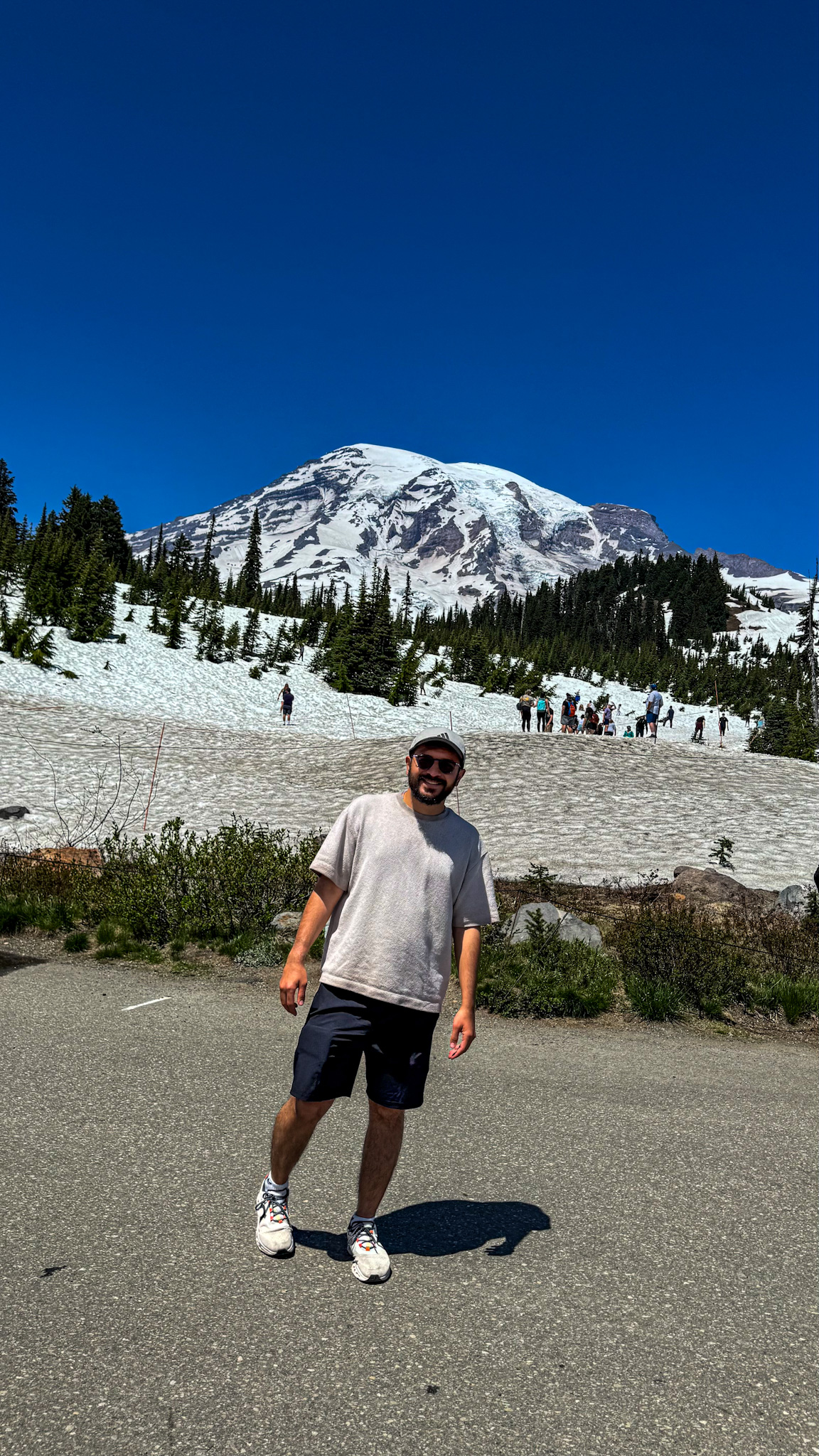
List of Hiking for each season
🌸 Spring (May–June)
Best for: Lower elevation trails while snow melts higher up.
- Nisqually Vista Trail – Easy loop with classic mountain views.
- Silver Falls (Ohanapecosh) – Great waterfall hike as snowmelt increases flow.
- Carbon River Trail – Lower elevation forest hike with fewer crowds.
Note: Higher elevation areas like Sunrise are usually still closed in spring.
🌼 Summer (July–September)
Best for: Wildflowers, full access, and alpine views.
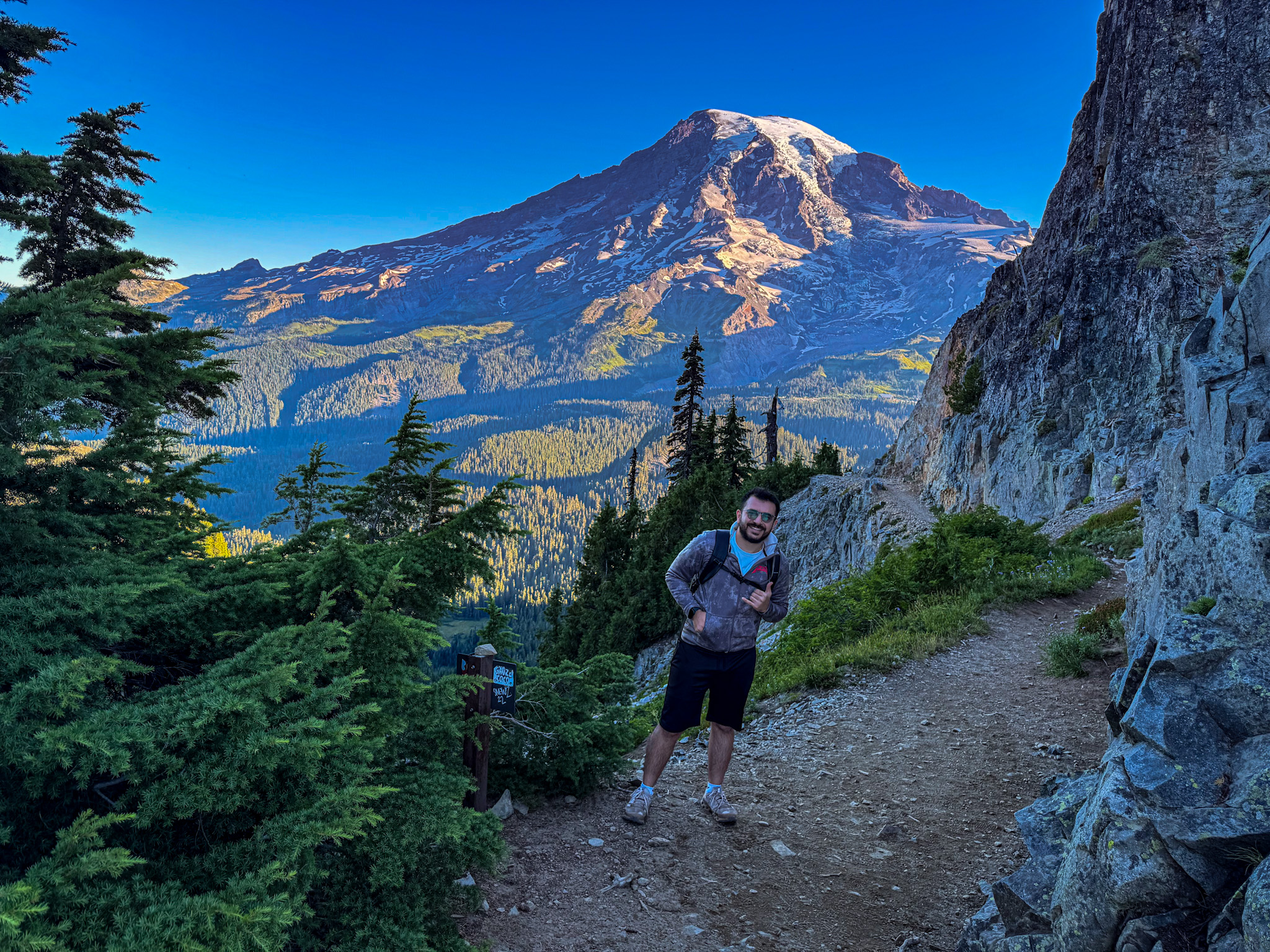
- Pinnacle Peak Trail – One of the best moderate hikes with huge mountain views.
- Skyline Trail (Paradise) – Iconic Mount Rainier wildflower loop.
- Glacier Basin Trail (Sunrise) – Expansive alpine scenery and marmot sightings.
- Burroughs Mountain Trail – Close-up dramatic views of Mount Rainier.
This is peak season. Arrive before 8–9am for parking.
🍂 Fall (October)
Best for: Fewer crowds, crisp air, limited but peaceful hiking.
- Nisqually Vista – Still accessible early fall.
- Reflection Lakes area short walks
- Lower Paradise trails before heavy snow returns.
Note: Many roads (including Sunrise) begin to close depending on snow.
❄️ Winter (November–April)
Best for: Snowshoeing and quiet mountain scenery.
- Paradise snowshoe routes
- Nisqually Vista (snow conditions permitting)
- Short marked winter trails near Paradise Visitor Center
Winter access is mostly limited to the Paradise area. Chains may be required.
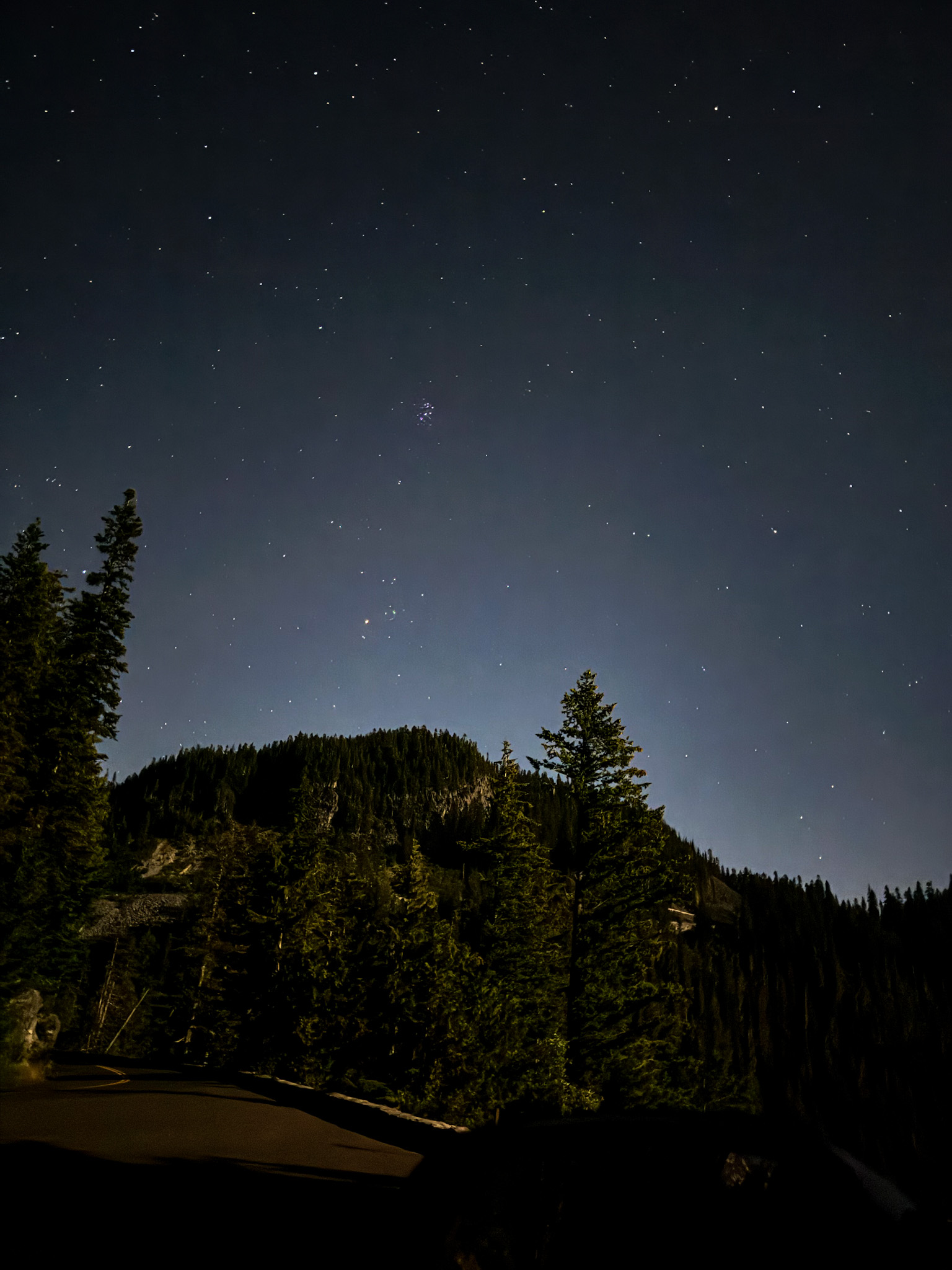
Mount Rainier National Park Entrance Fees
Mount Rainier National Park charges an entrance fee that is valid for seven consecutive days. The current fees are $30 per vehicle, $25 per motorcycle, and $15 per person for walk-in or bicycle entry. An annual Mount Rainier pass costs $55, while the America the Beautiful Pass is available for $80 and grants access to all federal recreation sites for one year.
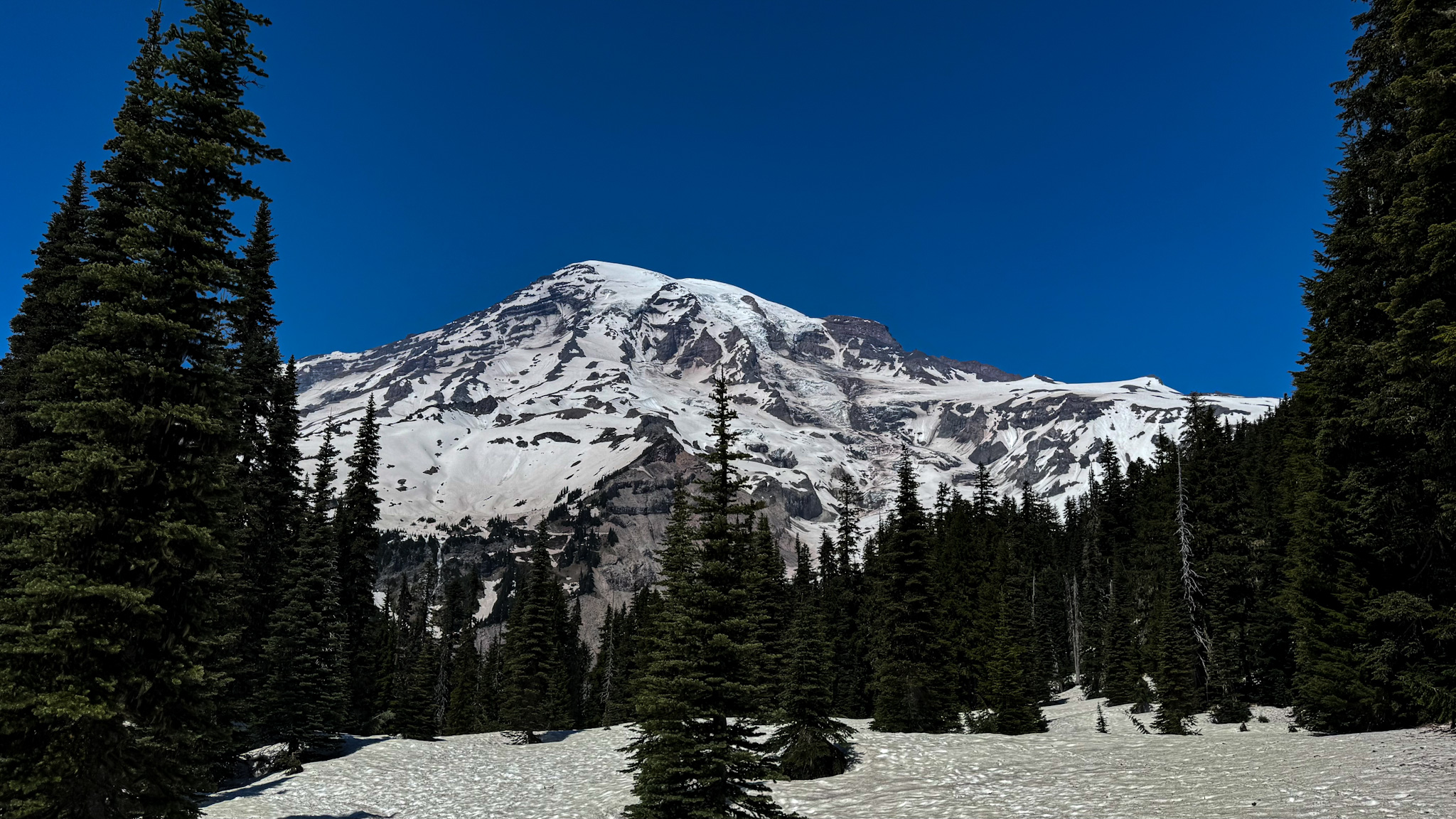
Mount Rainier 2–3 Day Itinerary Overview
Here’s a simple 3-day overview. For full drive routes, where to stay, and seasonal tips, check the detailed itinerary below.
day 1
• Drive to Mt Rainier
• Paddle board Angle lake
• Drive to the Paradise visitor center
• Little hike the Nisqually Vista trail
• Overnight near Paradise
Day 2
• Wake up early to watch sunrise at Reflection Lake
• Hike to Pinnacle Peak Trail (moderate summer hike with one of the best views)
• Overnight near Ohanapecosh Area
Day 3
• Hike to Glacier Basin Trailhead or do some biking around sunrise visitor center
• Drive back to Seattle
If you’re planning to spend more time in the park, I’ve put together a detailed 3-day Mount Rainier itinerary that breaks down daily routes, drive times, and must-see stops.
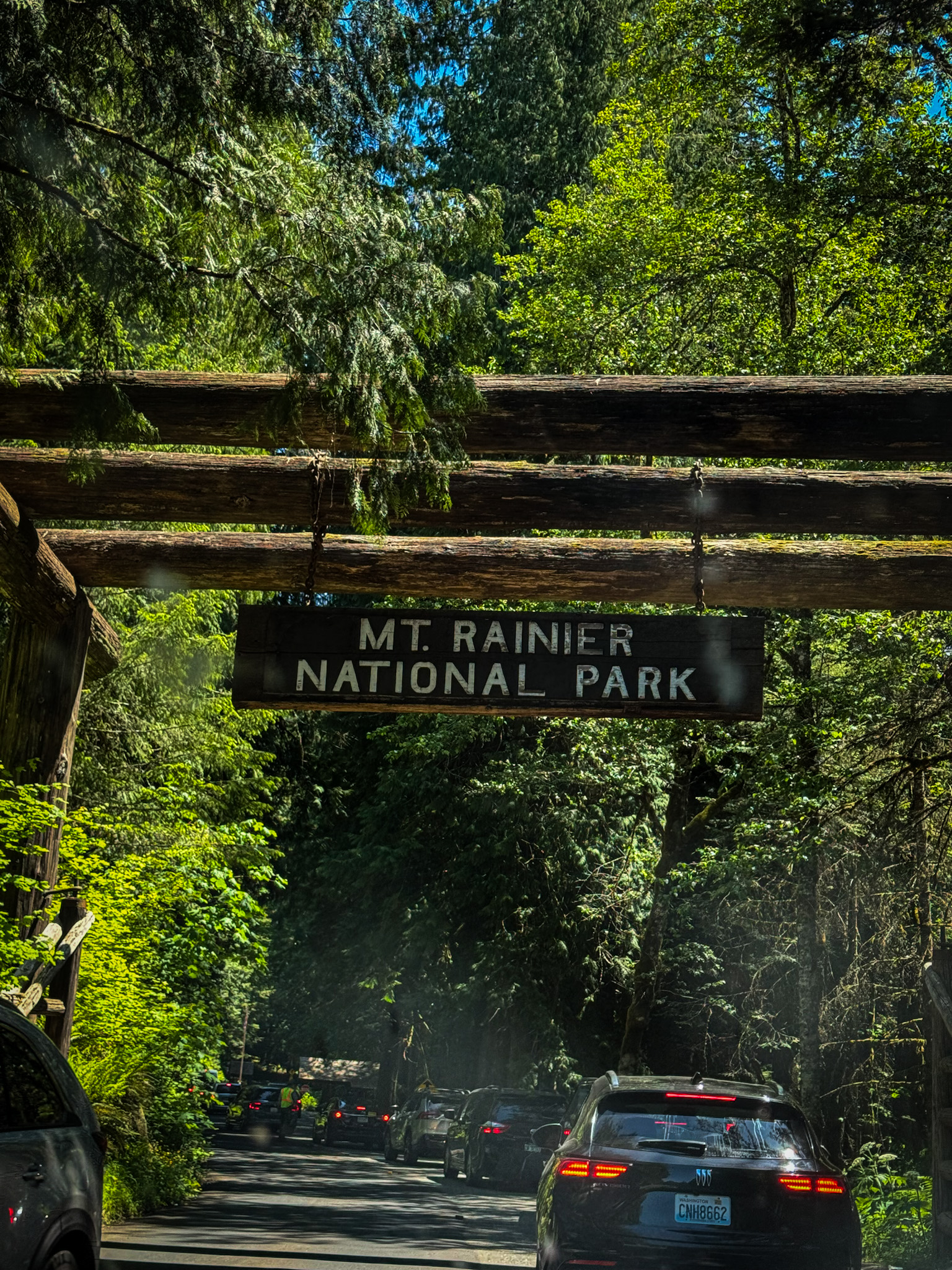
FAQ
- Do you need reservations?
No timed-entry reservations are currently required for Mount Rainier National Park in summer 2026. The park dropped its timed entry reservation system for popular areas like Paradise and Sunrise for the season, though heavy summer crowds can still cause congestion. - When does Paradise open?
The road typically opens in late May or early June depending on snowpack. — the park is technically open year-round. During winter most roads beyond Longmire are closed or only open when conditions allow. - Is Mount Rainier good for beginners?
Yes — in many ways.
There are easy and moderate hiking trails (e.g., Nisqually Vista, Grove of the Patriarchs, Trail of the Shadows) that beginners can enjoy.
Visitor centers, scenic drives, and short overlooks make it accessible even if you don’t hike far. - Can you visit in winter?
Yes — Mount Rainier National Park is open year-round.
Only the Nisqually Entrance (southwest corner) is kept open in winter for snowplay and winter access.
Snowshoeing, sledding, and winter hiking are popular at Paradise when road access allows. - Are dogs allowed?
Yes, but with strict restrictions.
Dogs are not allowed on trails, in wilderness/backcountry, on snow, or in buildings — service animals excepted.
Dogs are allowed only in developed areas: campgrounds, parking lots, paved roads, and some paved walkways with a leash ≤6 ft - Where should I stay?
Inside and outside the park:
✔ Inside the park – Lodging at Longmire, Paradise Inn area, and established campgrounds (check reservations and seasonal availability).
✔ Near the park entrances – Towns like Ashford (south side), Enumclaw (east/southeast), and Packwood have cabins, lodges, and vacation rentals.
✔ Campgrounds / cabins – Many private cabins and rental spots around the park allow pets (outside park hiking rules).*