Is RV Life Worth It for a Weekend Trip? What to Expect
Who This Page Is For
This page is for you if you’re thinking about buying or renting an RV while still living a normal life — renting or owning a home — and using it for weekend trips or short getaways.
You might:
• Work a regular job (remote or hybrid)
• Take weekend trips or use PTO for longer trips
• Want to escape into nature without fully committing to full-time RV life
Right now, I live in Seattle and use our RV mostly for weekend trips, with occasional longer trips when work allows. Sometimes it’s a quick two-night escape, sometimes it’s a 3–4 day trip since I work remotely.
On this page, I’m sharing:
What we’ve learned so far
• How it actually feels owning an RV
• What we’ve improved in our RV
• How we plan our trips
• And whether this lifestyle makes sense if you still have a home base
Content table
Why I built this guide
I live in the Pacific Northwest and spend a lot of time exploring the areas around Seattle, especially places that can be reached in a few hours or less. I’m drawn to trips that don’t require long drives or packed itineraries — just good scenery, time outdoors, and space to slow down.
The places on this page aren’t recommendations pulled from a list. They’re destinations I’ve personally visited, camped at, hiked through, or spent real time exploring. I built this guide to share the kinds of weekend getaways I actually return to — places that feel like a reset, not a checklist.
If you’re looking for realistic trips, honest experiences, and ideas that work for both quick escapes and slower weekends, you’re in the right place.
Quick decision
- Worth it if: you like slow weekends, nature, and having your “home” with you
- Not worth it if: you hate setup / driving big vehicles / planning ahead
- Best for: couples, pet owners, remote workers, introverts
- Weekend reality: Friday setup + Sunday breakdown is part of the “cost”
Is Weekend RV Life Worth It?
For us, yes — it’s totally worth it.
It’s not cheap, and I won’t pretend it is. We’ll talk about real costs below. But mentally, it’s been one of the best decisions we’ve made.
Being able to leave the house after a long workweek, drive into nature, and spend even two nights outdoors makes a huge difference. It’s fun, it’s challenging sometimes, and it forces you to slow down.
Spending close, uninterrupted time with people you love — or even just with yourself — is something that’s hard to get in everyday life. For that alone, it’s been worth it for us.
Related Washington National Park Guides
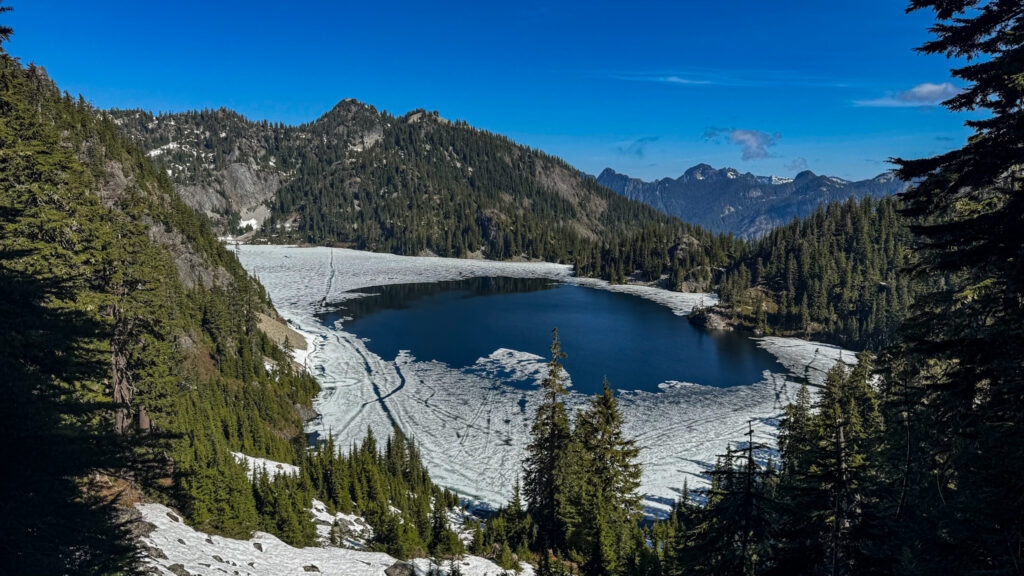
Snow Lake Hike: 12 Helpful Tips, Trail Conditions & My Honest Experience
Snow Lake Hike: 12 Helpful Tips, Trail Conditions & My Honest Experience Overview The Snow…
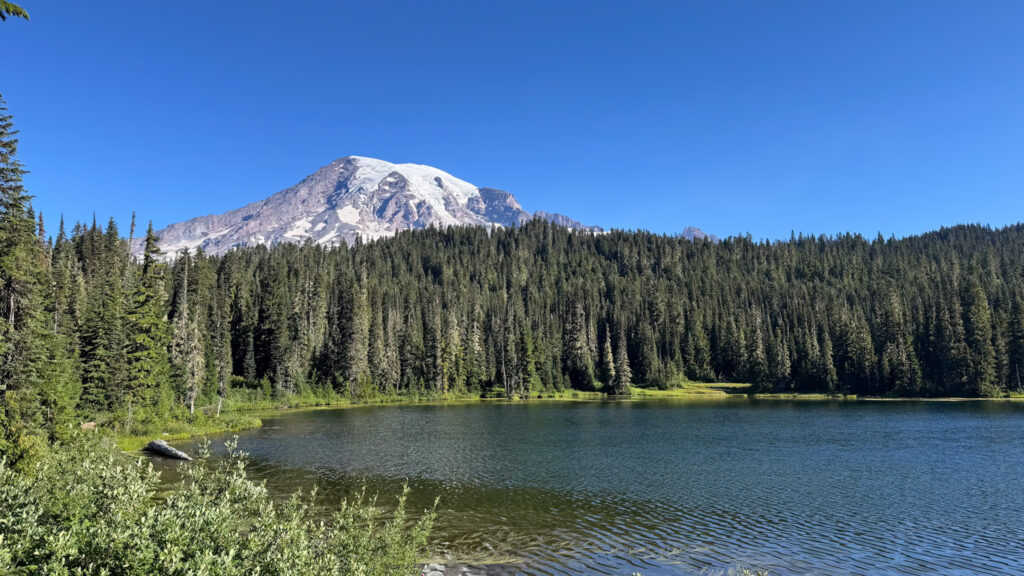
Pinnacle Peak Trail
Pinnacle Peak Trail, Mount Rainier National Park Pinnacle Peak Trail is one of those hikes…
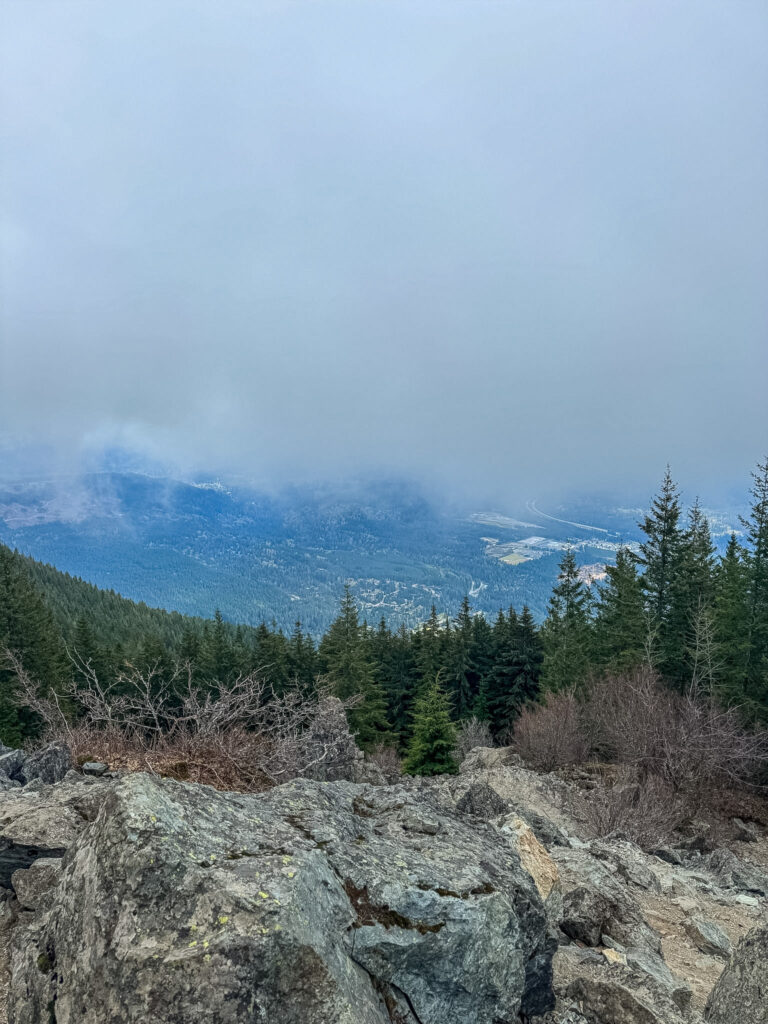
Mount si
Mount Si Trail Guide (Challenging Hike Near Seattle) Mount Si Trail Overview Mount Si Trail…
What a Weekend RV Trip Really Looks Like
Our first weekend trip was honestly kind of funny.
We chose a full-hookup RV park because we wanted fewer surprises. We had watched plenty of YouTube videos about water and power hookups, but we’d never actually done it ourselves.
When we arrived, an older couple at the campsite next to us had clearly been there for a while. They were sitting in their chairs watching us as we tried to figure everything out. Nothing went wrong — but being watched while doing something new definitely made us nervous
We were both pretty shy in that moment, not gonna lie 😅
Inside the RV, we realized we only had one mattress but two beds, and we immediately started arguing over who would get the mattress. (Of course, Madisen won.)
After that first awkward night, we slowly found our rhythm.
Our usual weekend routine now looks like this:
Friday evening: Pack after work, drive to the campsite, eat dinner, and relax. It’s a slower night because we’re coming straight from work.
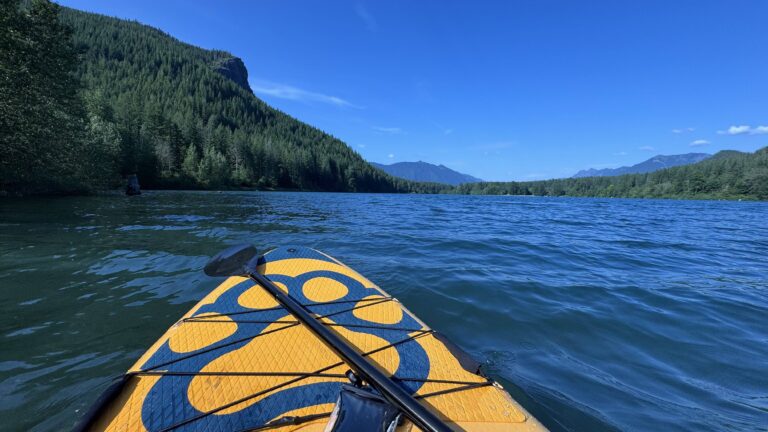
Saturday: This is our main activity day — hiking, biking, paddle boarding, or just exploring.
Sunday: Slow morning, breakfast inside or outside if the weather’s nice, hanging out at the campsite, then driving home. Sometimes we stop somewhere on the way back; sometimes we go straight home and reset for the week.
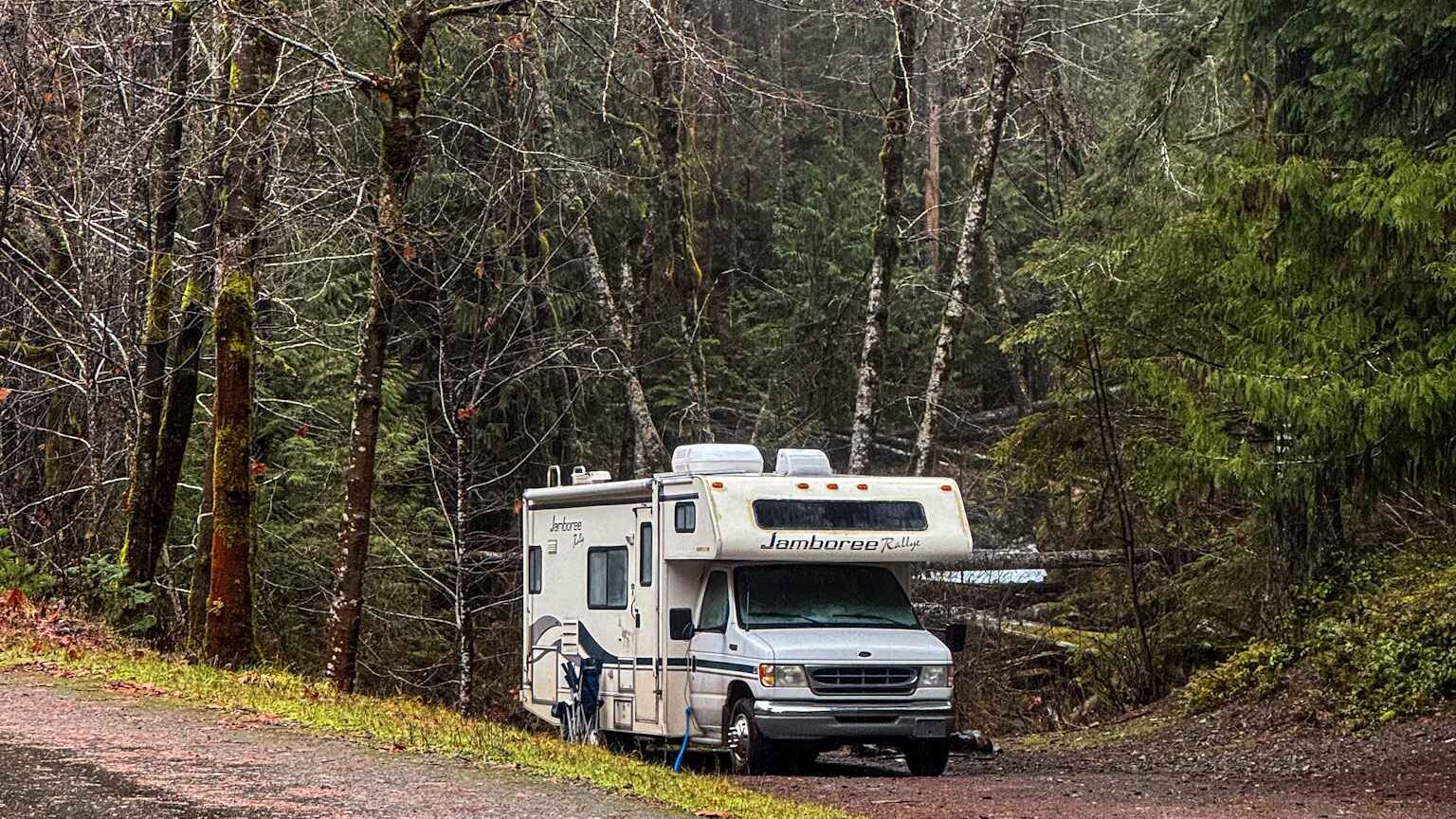
It doesn’t sound like a big deal on paper, but waking up in the forest while it’s raining, or stepping outside and realizing you’re next to a beach or inside a state park — that feeling never gets old.
Our weekend trips are usually slow, simple, and quiet — and that’s exactly why I love them.
What Surprised Me the Most
1) To be honest, I always thought I’d enjoy camping and RV life — and I do — but I didn’t expect to love it this much.
It slowly became part of my routine. Now, if we don’t go out one weekend, it actually bothers me. I start counting the days until the next trip. This rhythm fits me perfectly, and that surprised me more than anything.
2) How Quickly It Becomes Normal
Once RV life becomes part of your routine, it stops feeling like a “trip” and starts feeling like your reset button.
At this point, we don’t overplan. We pick a direction, maybe reserve the first campsite, and figure out the rest as we go. In the beginning, it was still relaxing — but there was always a little stress in the back of my mind: water hookups, electricity, “am I doing this right?”
Now we just go with the flow.
3) Traveling With Pets Was… Unexpected
One thing that really surprised me was how differently our pets adapted.
Our dog, Porter, loves the campsites — but he still doesn’t love the driving part. He gets anxious in the RV, which I kind of understand. The back of the RV shakes more, and he’s big, so he can’t just curl up on someone’s lap.
Paloma, our cat, on the other hand… completely surprised me.
She adjusted way better than our dog. At first, she cried for the first couple of trips — sometimes for almost two hours — then got tired, fell asleep, woke up, cried again, and repeated the cycle. Eventually, she figured it out and now usually sleeps on my lap.
I never expected our cat to adapt more easily than our dog, but here we are 😄
4) Campsite Social Life Wasn’t What I Expected
I also thought we’d make more friends at campsites.
I imagined chatting with neighbors, sharing stories, maybe even meeting people regularly. But in reality, most campsites feel more like a “we’re here to be alone” kind of vibe.
That might be because we’ve traveled mostly in fall and winter so far, but it definitely surprised me. People are friendly, just quieter and more to themselves than I expected.
5) How Weekend RV Life Feels Different From Vacations
Weekend RV life doesn’t feel like a vacation anymore — and I mean that in a good way.
Vacations usually involve planning, schedules, reservations, and pressure to “make the most of it.” RV weekends feel different. Once it becomes routine, it’s not stressful. It’s familiar.
You pack, you drive, you park, and you relax.
There’s no checklist running in your head anymore — just time slowing down a bit. And honestly, that’s what keeps pulling me back every weekend.
What I’d Do Differently If I Started Again
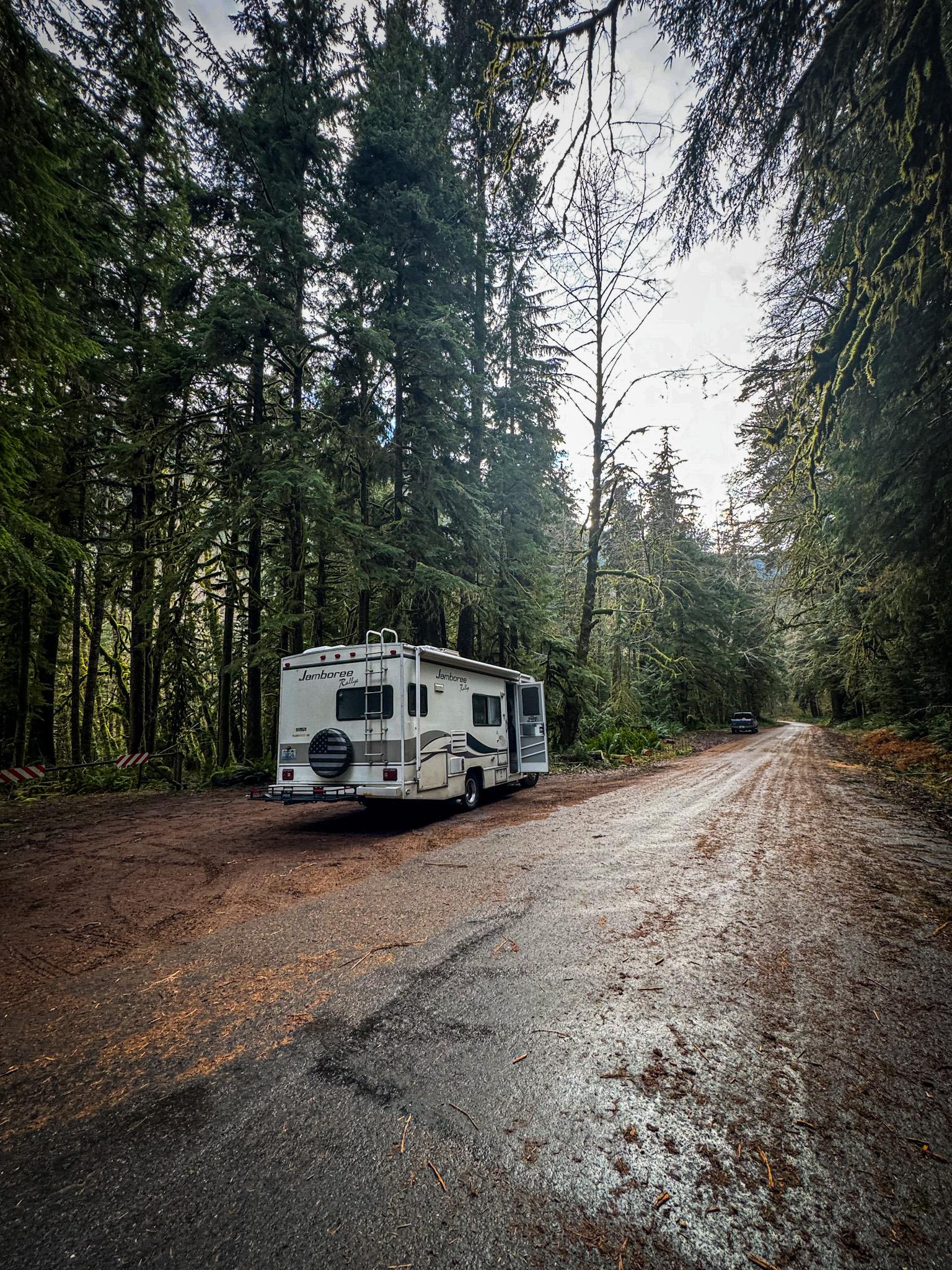
1) Park the RV in a Safe Storage Spot From the Beginning
This is the biggest one.
We didn’t store our RV in a dedicated RV storage lot at first, and our catalytic converter got stolen. When it happened, the RV suddenly made a huge noise — it was impossible to miss — and the repair ended up costing us more than a thousand dollars.
Where you live definitely matters, but if I could go back, I’d park the RV in a secure storage facility from day one. It’s one of those expenses that feels optional… until it isn’t.
2) Don’t Overpack (You Really Don’t Need That Much)
At the beginning, we packed way too many clothes. It’s understandable — you want to be prepared — but we kept bringing more and more stuff we never used.
Over time, we found a happy middle ground. Fewer clothes, more repeats, and less digging through cabinets every weekend.
For short trips, less stuff makes everything easier.
3) Don’t Buy a Ton of RV Accessories Right Away
RV accessories are tempting. Very tempting.
There are basic things you need — hookups, toilet supplies, and a few essentials. I’ll eventually share a full list once I have it organized.
But we also bought a lot of things early on that we don’t use anymore.
If I were starting again:
• I’d buy the basics
• Go on a few trips
• Then add items only when I actually feel the need for them
Your RV setup should grow naturally based on how you travel, not what the internet tells you to buy.
4) Start Simple and Let Your Routine Develop
This isn’t about gear — it’s about habits.
The first few trips feel chaotic. Everything takes longer. You second-guess yourself constantly. That’s normal.
Once we stopped trying to make every trip “perfect” and let our own routine form, RV weekends became much more enjoyable.
Simple trips are the ones that teach you the most.
Pros and Cons of a Class C RV (From Real Use)
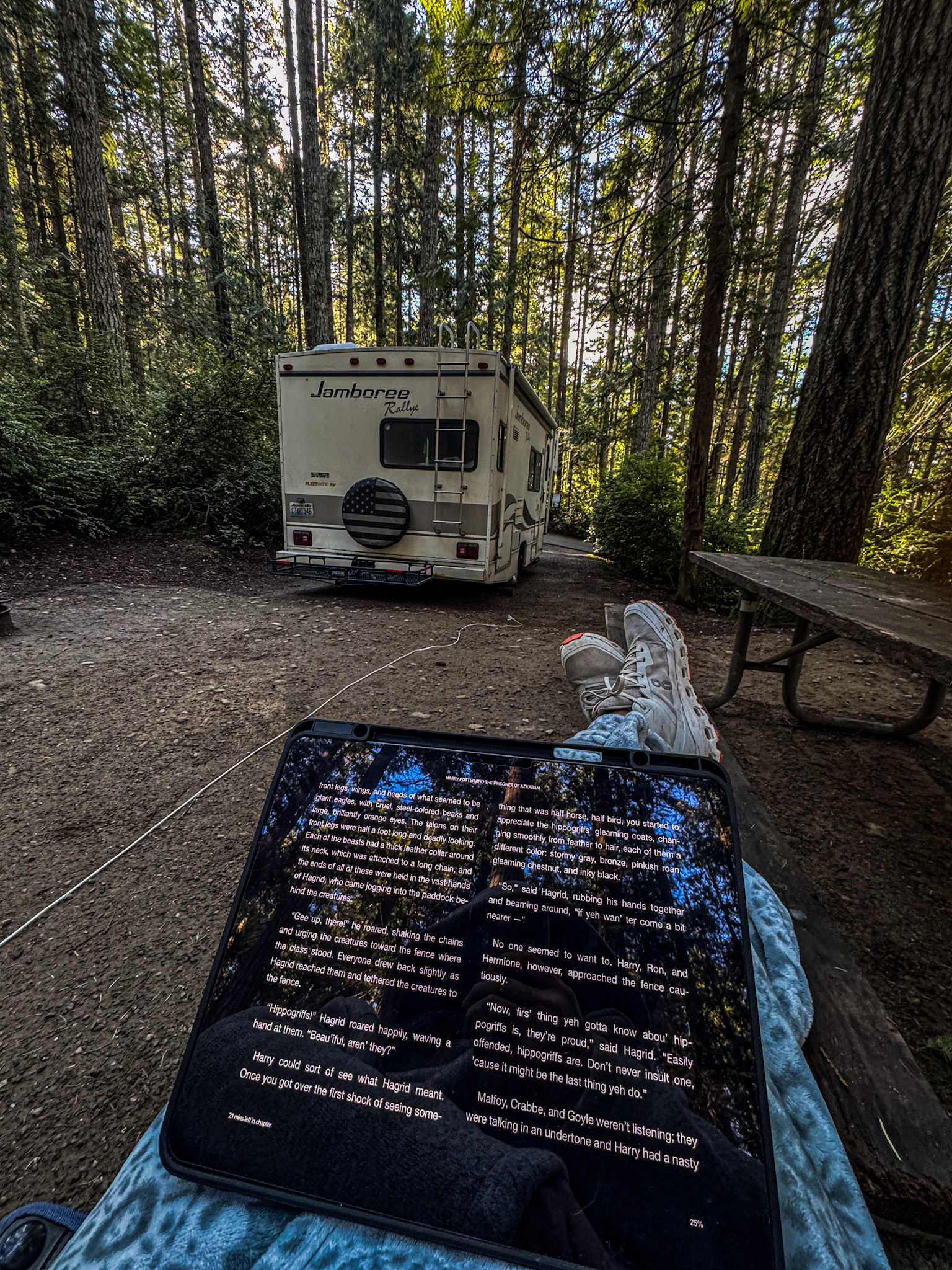
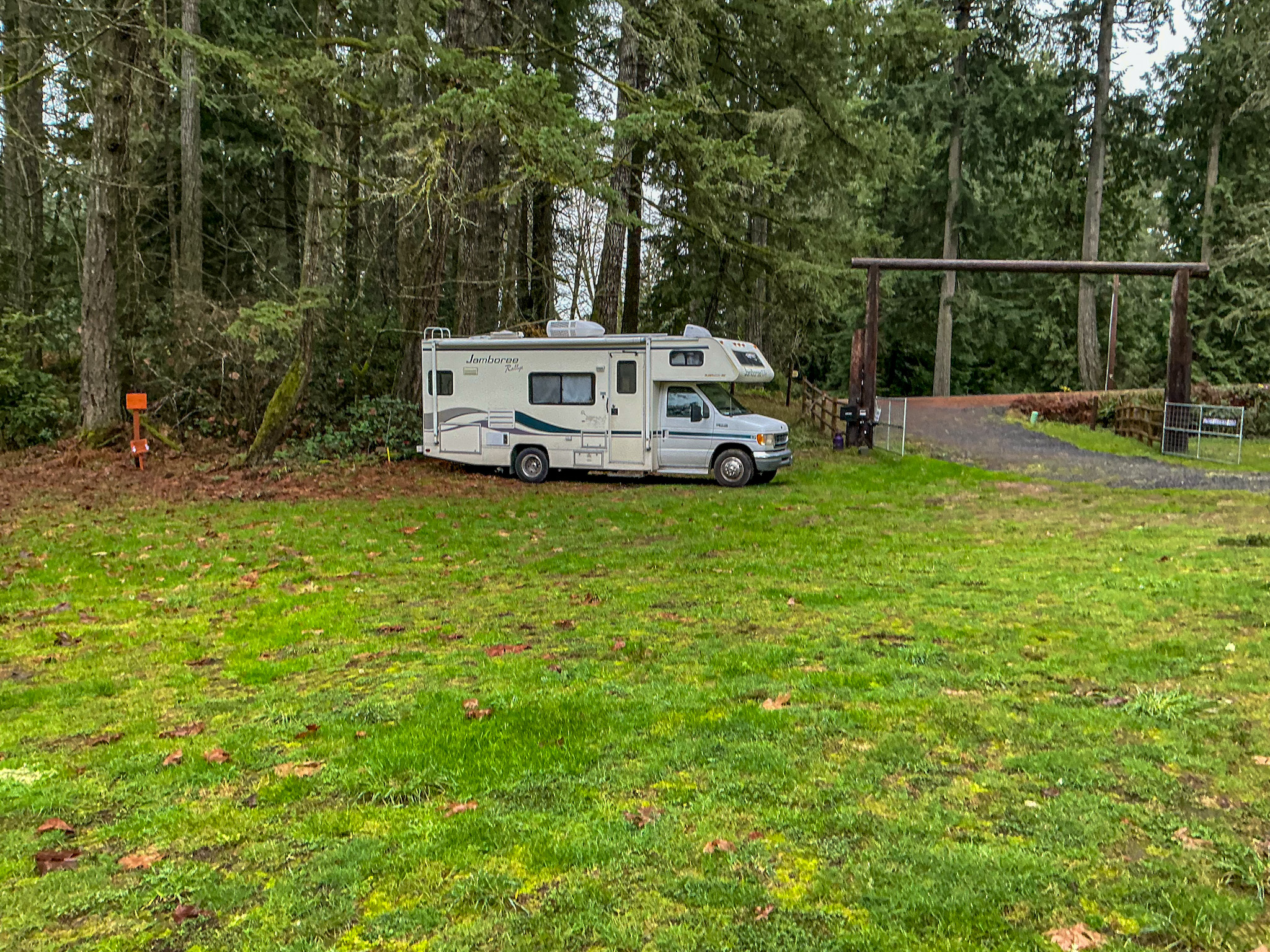
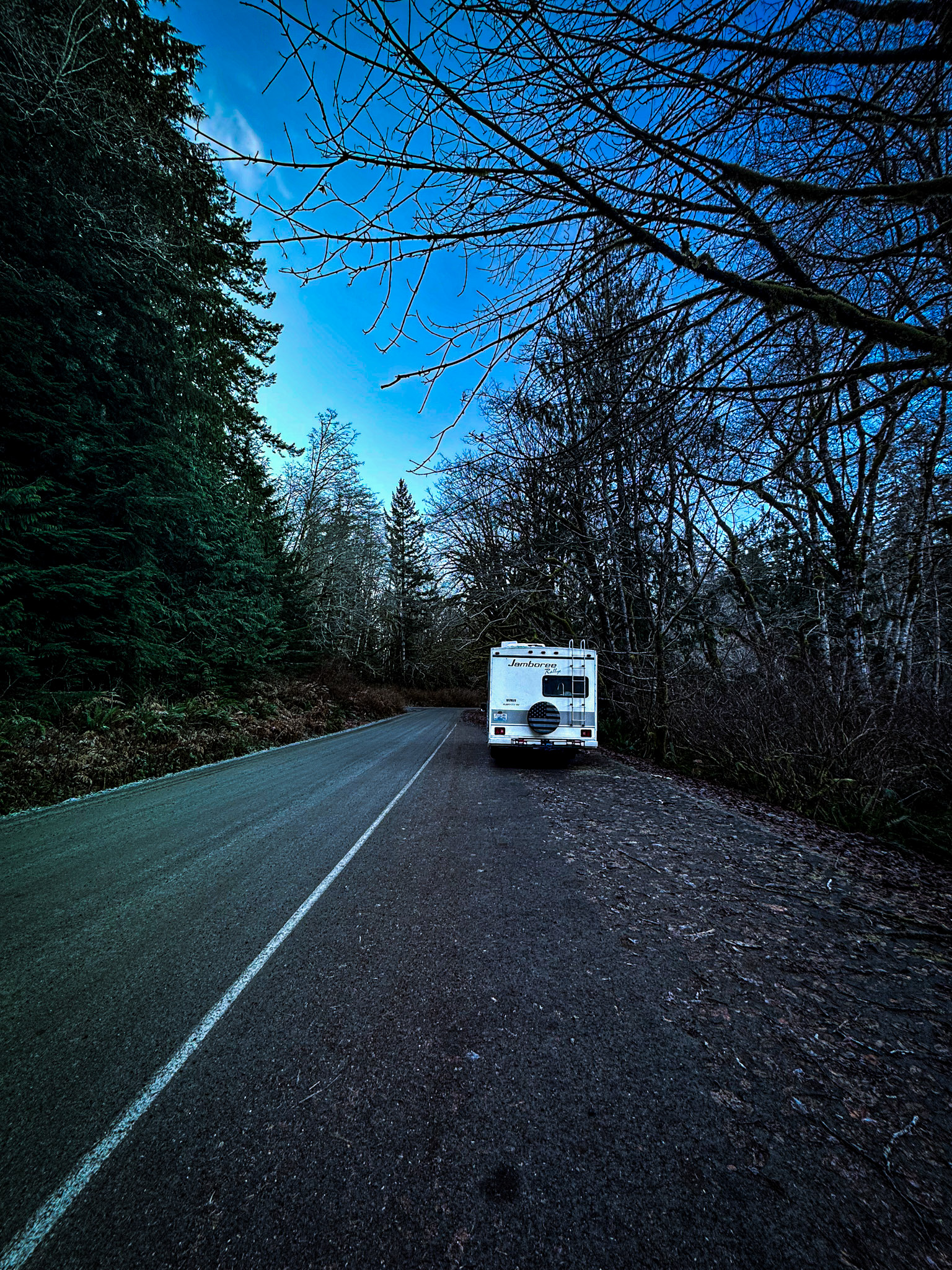
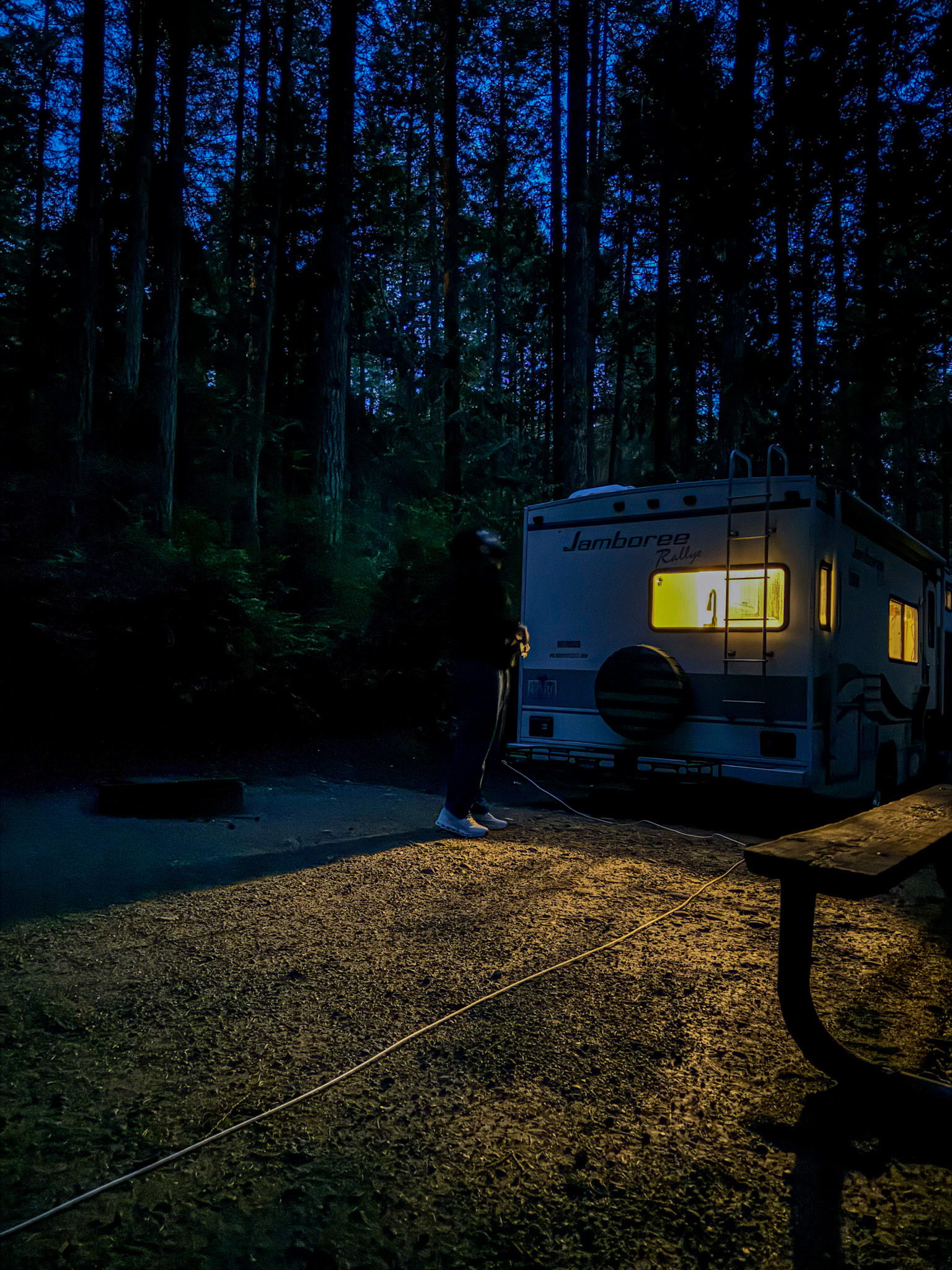
Our RV is a 24-foot Class C, and we don’t tow another vehicle, which is important to keep in mind.
Pros
- Size matters 🙂 A 24-foot RV is cheaper to camp with and fits into most RV campsites.
- Easy to drive compared to larger RVs.
- Enough space for comfortable sleeping, cooking, and storage.
- Everything is in one unit — no setup beyond parking and hookups.
Cons
- Gas is a big expense. This thing drinks gas, especially in the PNW where fuel prices are higher.
- Since we don’t tow a car, every grocery run means unhooking and driving the RV.
- You have to plan better — forgetting something isn’t a quick fix.
The Real Cost of a Weekend RV Trip
Alright, here are real numbers from one of our weekend trips.
Trip details:
• Seattle → Scenic Beach (one way): 78.6 miles
Costs:
• Gas: $130 (I still had some fuel left, but let’s count it fully)
• Campsite: $25 per night → $59 total for two nights with fees and taxes
• Groceries: $40
I usually don’t fully count groceries because we’d buy food anyway — RV or not — but I’ll include it here to be transparent.
Total weekend cost:
• $229
Is it cheap? No but if you are going out these days eating 2 person outside driking after one simple night end up around 100-150 bucks to I dont think this is too expensive as well.
Is it comparable to hotels, eating out, and driving around for a weekend? Yes.
And for us, the experience is worth more than the number.