
Snow Lake Hike: 12 Helpful Tips, Trail Conditions & My Honest Experience
Overview
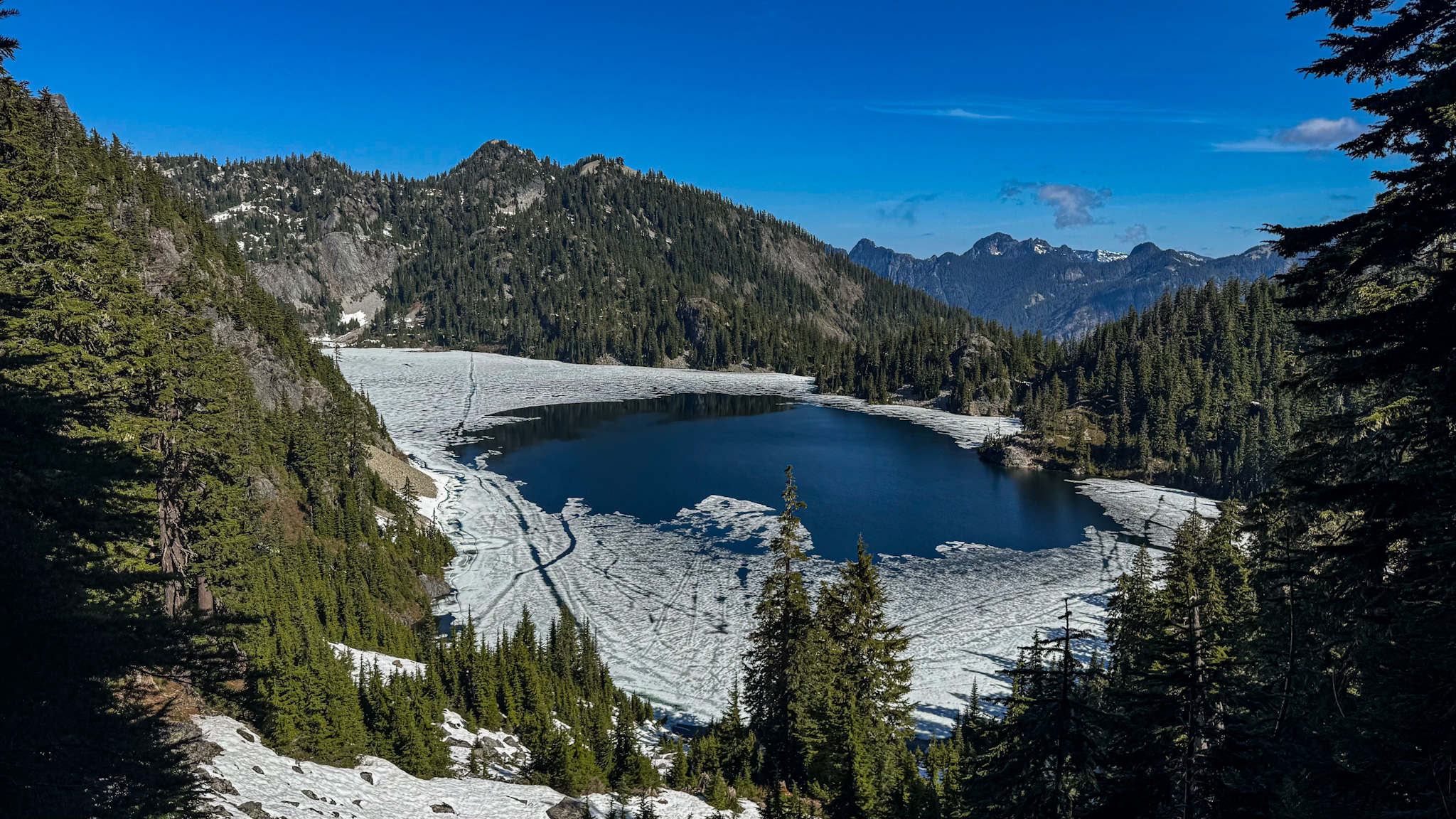
The Snow Lake Hike is one of my favorite hikes in Washington and one that I would highly recommend during summer and fall. I completed this hike in early June and was surprised by how good the trail conditions were. Despite the name, there was very little snow on the trail until the final section near the lake. If you’re looking for a hike with incredible alpine views, a beautiful lake destination, and a rewarding climb, Snow Lake should definitely be on your list.
The Snow Lake Hike is one of the most popular hikes in the Alpine Lakes Wilderness, and it’s easy to see why. The trail offers mountain views, rocky ridgelines, forest sections, and a stunning alpine lake at the end. The hike is challenging enough to feel rewarding but accessible enough for most hikers with a reasonable fitness level.
Region
Content table
Why I built this guide
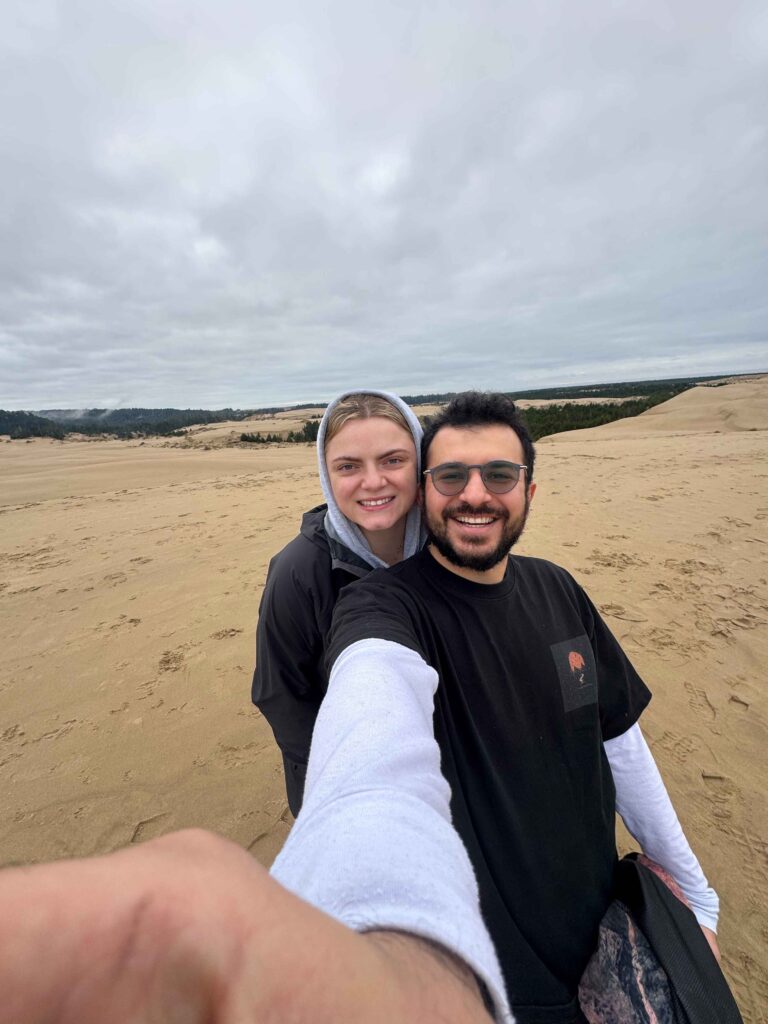
I live in the Pacific Northwest and spend a lot of time exploring hiking trails around Washington. I created this guide to share my firsthand experience hiking Snow Lake, including trail conditions, what to bring, hiking stats, and things I wish I knew before going.
Everything in this guide is based on my own hike, with the goal of helping you prepare, know what to expect, and decide if the Snow Lake Hike is right for you.
Snow Lake Hike Stats From My Trip
Here are my personal stats from completing the Snow Lake Hike in early June.
Total Distance
6.42 miles
Elevation Gain
1,786 feet
Calories Burned
1,090
Total Time
2 hours 53 minutes
I tend to hike faster than most people, so don’t use my hiking time as the average. Most hikers will likely spend more time on the trail, especially if they stop frequently for photos, breaks, or time at the lake.
Snow Lake Trail Conditions in Early June
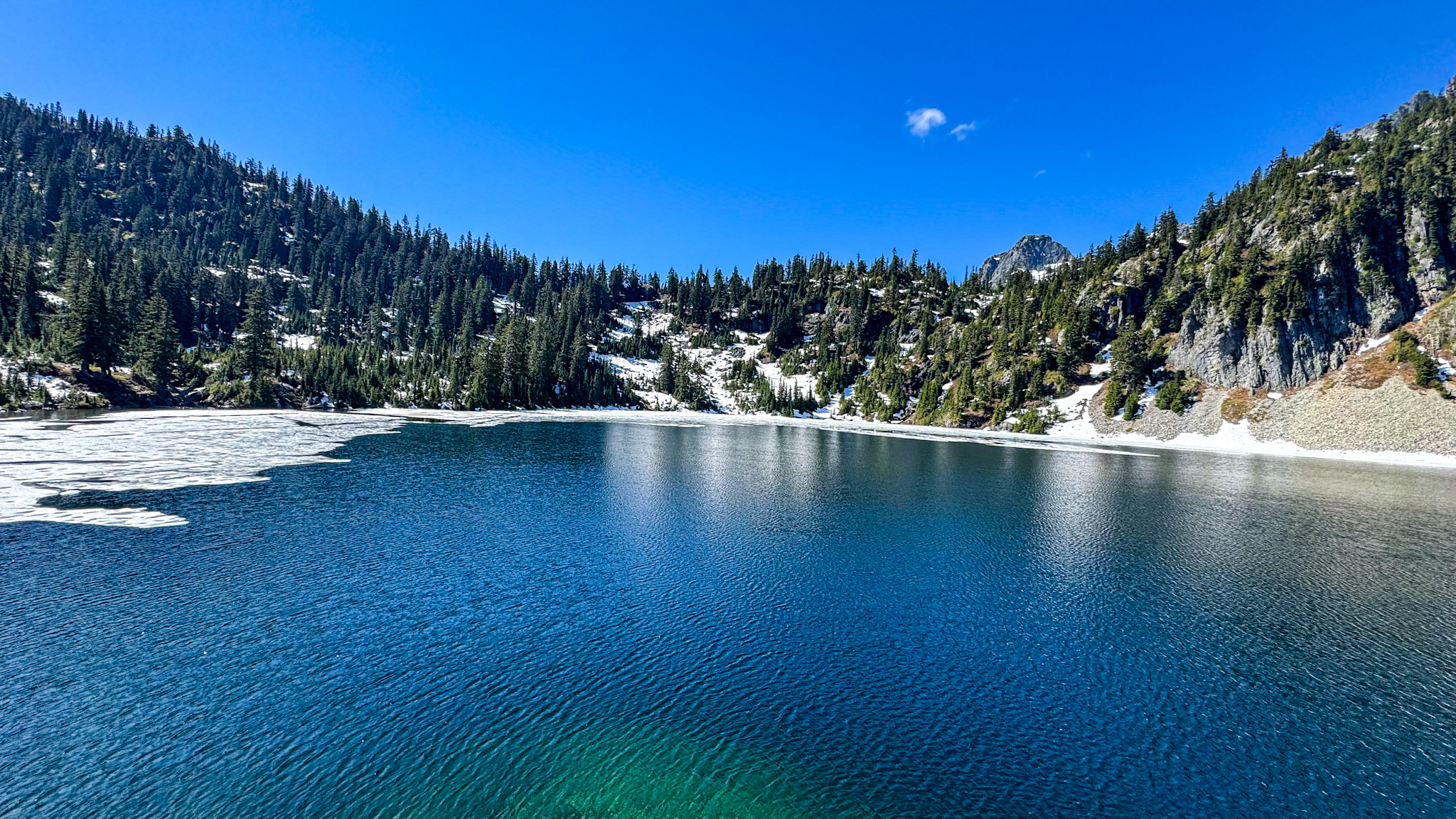
When I hiked Snow Lake at the beginning of June:
- Most of the trail was completely free of snow.
- Snow appeared closer to the lake, especially during the final descent.
- Some sections were muddy due to melting snow.
- The trail was still manageable without special gear for most hikers.
Before my hike, I saw several reviews recommending microspikes. Based on my early June experience, I personally didn’t need them, but trail conditions can change quickly depending on snowfall and weather.
My recommendation:
- Before June: Bring microspikes.
- Early June: Optional, depending on conditions and your experience.
- Summer and Fall: Usually not necessary.
Microspikes don’t weigh much, so if you already own a pair, bringing them isn’t a bad idea. If you encounter icy sections and feel you need them, you’ll be glad you packed them.
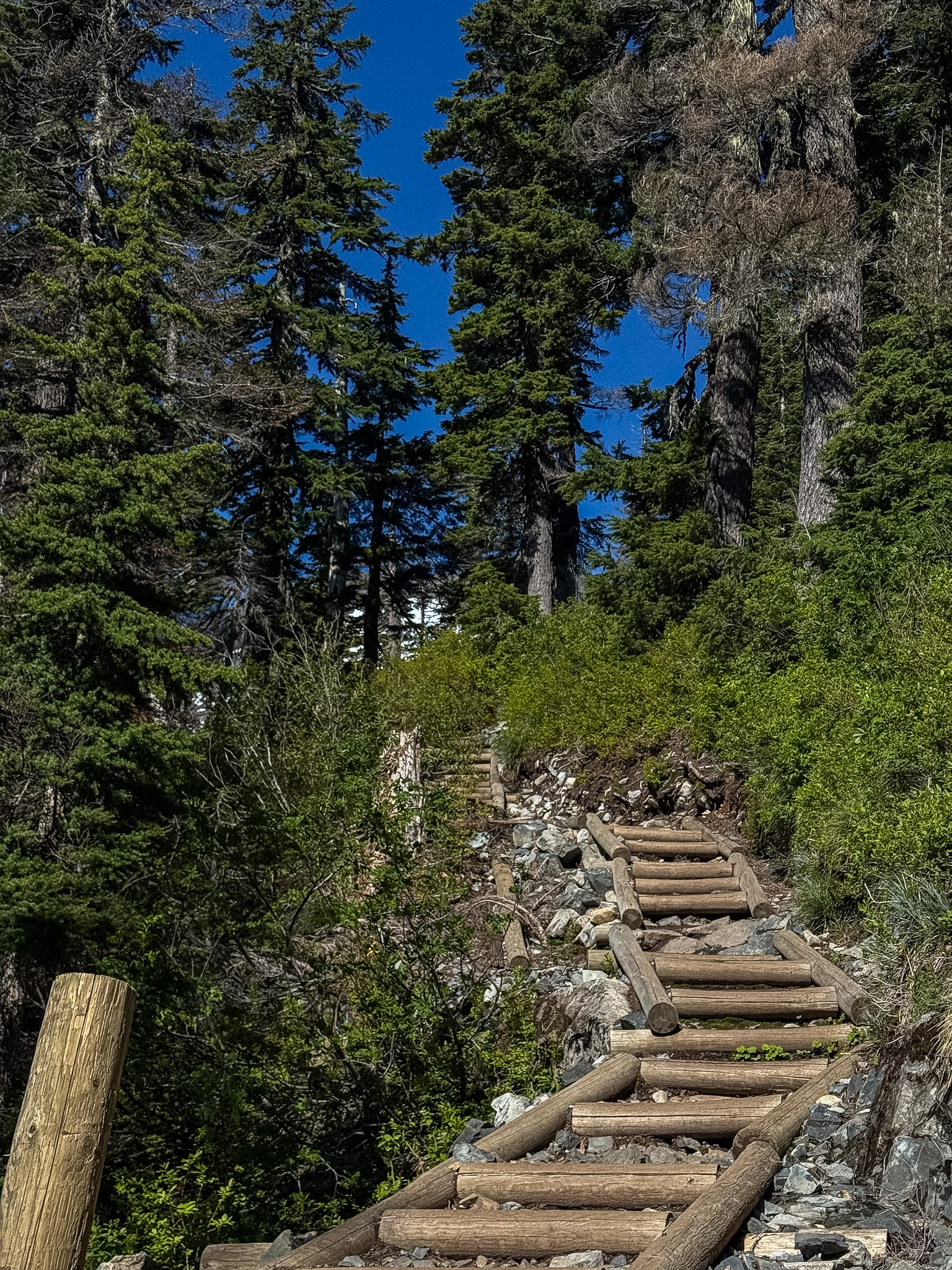
What to Bring for the Snow Lake Hike
Essentials
- Plenty of water
- Snacks or lunch
- Hiking shoes or boots with good traction
- Weather-appropriate layers
- Sun protection (hat, sunglasses, sunscreen)
- Small first aid kit
- Phone or GPS device
- Portable battery pack
Optional Items
- Trekking poles
- Microspikes (especially before June)
- Lightweight rain jacket
- Extra socks if trail conditions are muddy
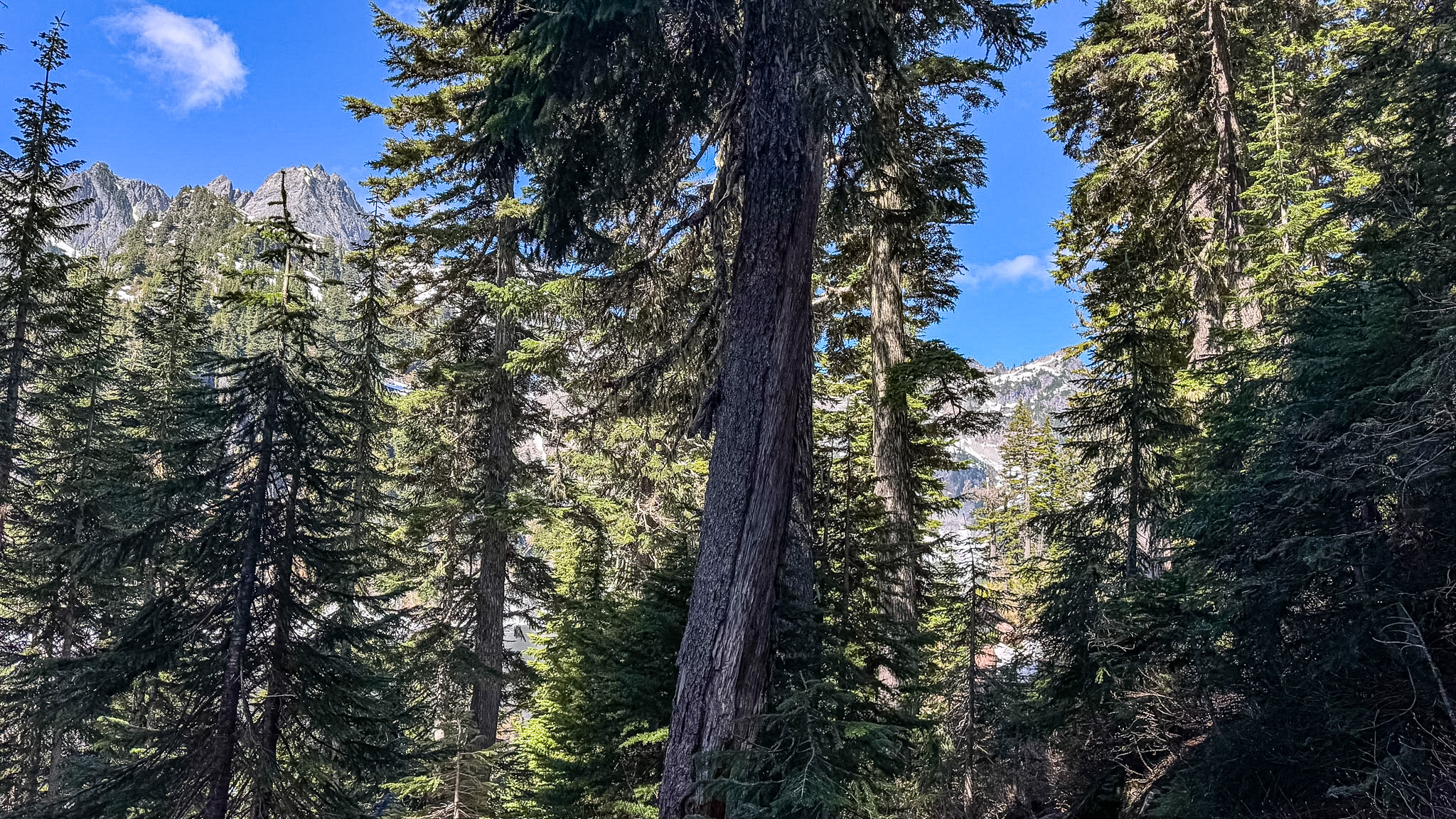
Things to Be Careful About on the Snow Lake Hike
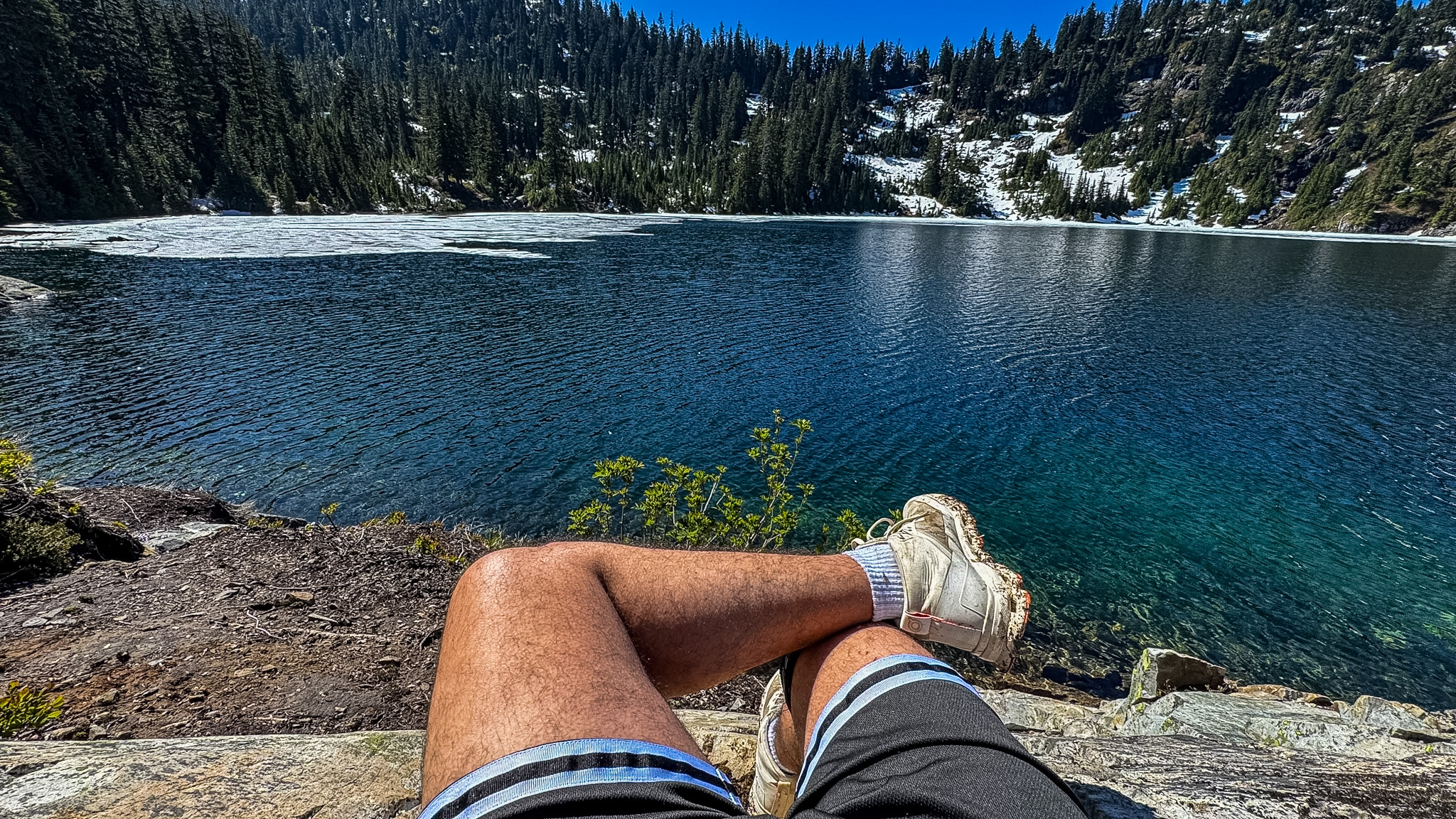
Snow and Mud Near the Lake
The final section near Snow Lake can still have lingering snow and muddy patches in early June. Watch your footing and take your time on slippery sections.
Crowds
This is a very popular hike. Expect busy parking lots and crowded trails, especially on weekends.
Elevation Gain
Although the distance isn’t extremely long, the elevation gain can be challenging for beginners. Pace yourself and take breaks when needed.
Weather Changes
Mountain weather can change quickly. Even on warm days, temperatures near the lake can feel cooler.
What to Know Before Starting the Snow Lake Hike
- Start early if possible to avoid crowds and parking issues.
- Check recent trail reports before your hike.
- Expect snow near the lake in spring and early summer.
- Bring more water than you think you’ll need.
- Cell service can be limited in some areas.
- Leave No Trace and pack out all trash.
- Be prepared for changing weather conditions.
Parking & Permit Information
Before starting the Snow Lake Hike, make sure you arrive early, especially on weekends. Snow Lake is one of the busiest hikes near Seattle, and parking fills up quickly during summer months.
You’ll also need a valid Northwest Forest Pass or an America the Beautiful Pass to park at the trailhead.
Final Thoughts
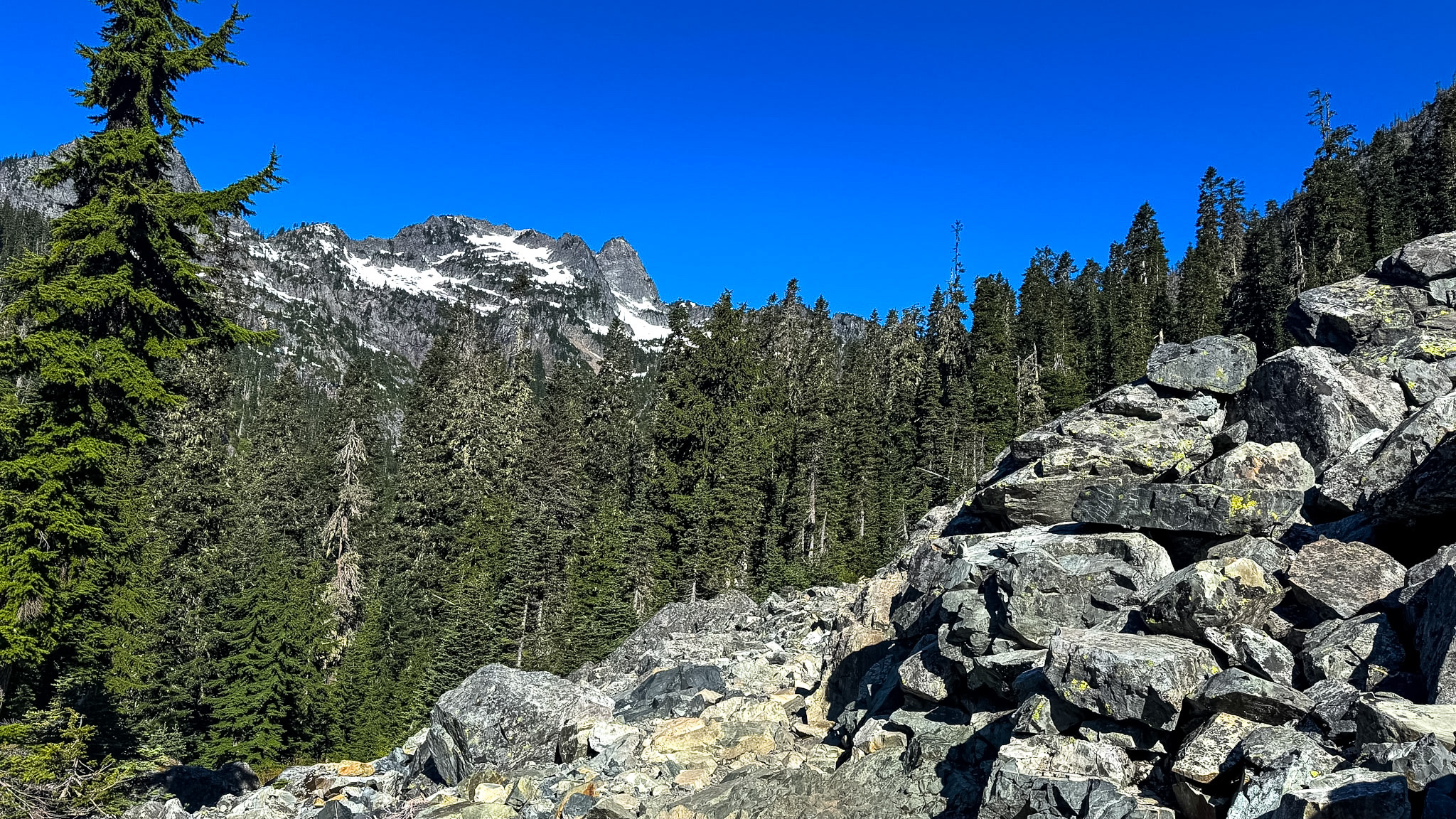
The Snow Lake Hike remains one of my favorite hikes near Seattle and one of the best summer and fall hikes I’ve completed in Washington. The combination of mountain scenery, alpine lake views, and a well-maintained trail makes it a hike that I would gladly do again.
If you’re visiting in early June, expect some lingering snow and muddy sections near the lake, but overall the trail should be very manageable for most hikers. Personally, I wouldn’t consider this my ideal winter hike, but during summer and fall it’s easily one of the most enjoyable hikes in the region.
Whether you’re doing the Snow Lake Hike for the first time or returning for another visit, come prepared, start early, and enjoy one of Washington’s most iconic alpine lake hikes.
Frequently Asked Questions About the Snow Lake Hike
How difficult is the Snow Lake Hike?
The Snow Lake Hike is generally considered a moderate hike due to its elevation gain and steady climb. While the trail is well-maintained, some sections can feel challenging for beginners. Most hikers in decent physical condition should be able to complete it with a few breaks along the way.
How long is the Snow Lake Hike?
My hike was 6.42 miles round trip, but your total distance may vary depending on how much you explore around the lake. Most hikers can expect a round-trip distance of around 6 to 7 miles.
How much elevation gain does the Snow Lake Hike have?
During my hike, I recorded 1,786 feet of elevation gain. The elevation gain is what makes the hike feel more challenging than the mileage alone might suggest.
How long does the Snow Lake Hike take?
I completed the Snow Lake Hike in 2 hours and 53 minutes, but I tend to hike faster than most people. Many hikers spend between 3.5 and 5 hours on the trail, especially if they stop for photos, breaks, or time at the lake.
When is the best time to do the Snow Lake Hike?
Summer and fall are the best times to do the Snow Lake Hike. The trail is usually snow-free, the weather is more predictable, and the lake is fully accessible. Early June can still have some snow near the lake depending on the winter snowpack.
Do I need microspikes for the Snow Lake Hike?
If you’re hiking before June, I would recommend bringing microspikes. During my early June hike, I didn’t need them, but conditions can vary significantly from year to year. Microspikes are lightweight and worth carrying if you’re unsure about trail conditions.
Is there snow on the Snow Lake Hike in June?
When I completed the Snow Lake Hike in early June, most of the trail was completely snow-free. I only encountered snow during the final descent toward the lake, where some sections were also muddy due to melting snow.
Is the Snow Lake Hike good for beginners?
The Snow Lake Hike can be a good challenge for beginners who are reasonably active and prepared for uphill hiking. The trail is well-marked and popular, but the elevation gain can be demanding for those new to hiking.
Is parking available at the Snow Lake Hike trailhead?
Yes, parking is available at the trailhead. However, this is one of the most popular hikes near Seattle, so parking can fill up quickly during weekends and summer mornings. Arriving early is highly recommended.
Do I need a permit for the Snow Lake Hike?
A Northwest Forest Pass or an America the Beautiful Pass is typically required to park at the trailhead. Be sure to check current requirements before your visit.
Can dogs hike to Snow Lake?
Yes, dogs are generally allowed on the Snow Lake Hike. Keep your dog on a leash, bring extra water for them, and be prepared for crowded sections of the trail during peak hiking season.
Is the Snow Lake Hike worth it?
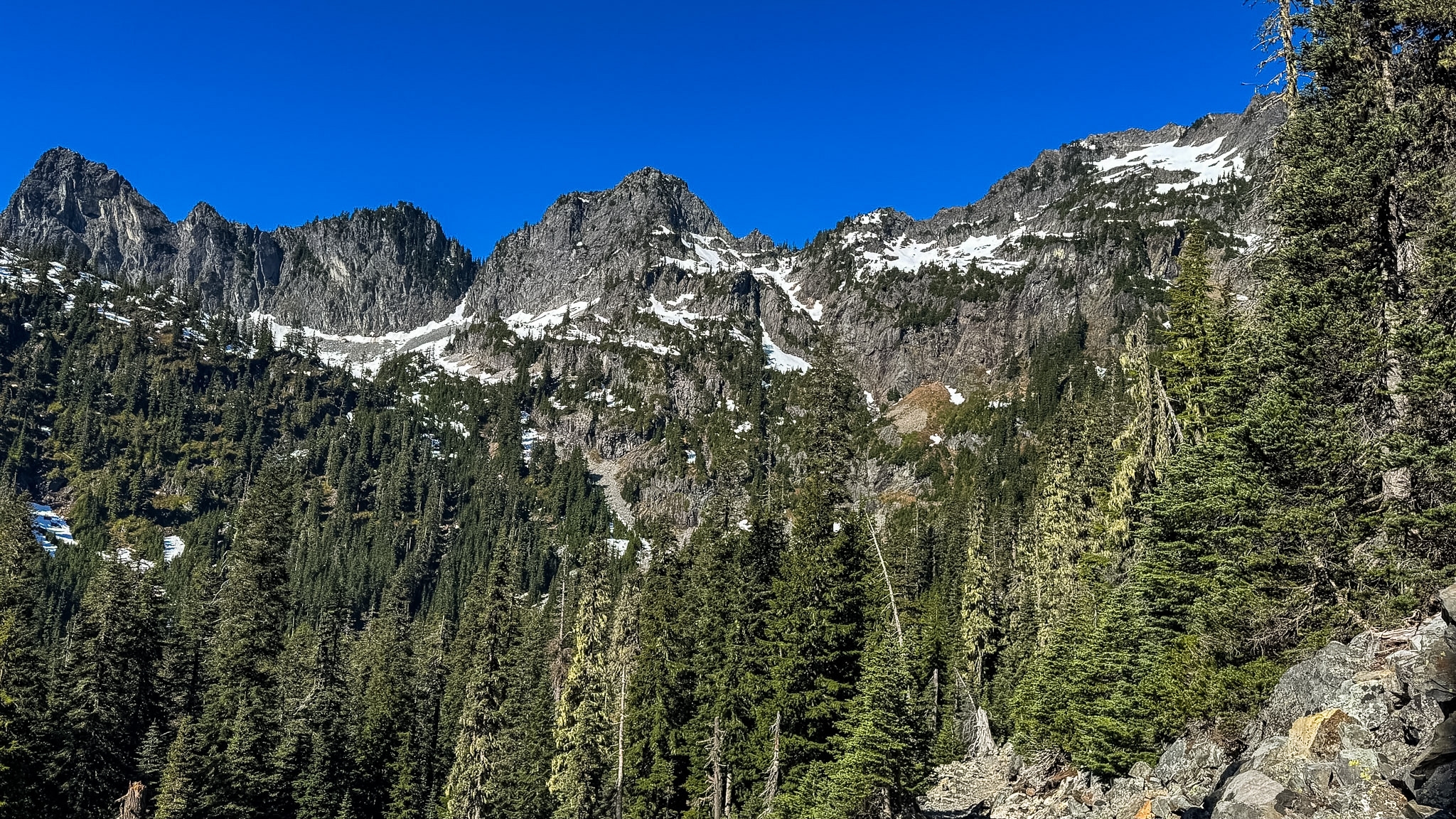
Absolutely. The Snow Lake Hike offers incredible mountain scenery, beautiful alpine lake views, and a rewarding destination that makes the climb worthwhile. It remains one of my favorite hikes near Seattle and one of the best summer and fall hikes I’ve completed in Washington.
Great content! Keep up the good work!