Olympic National Park: Where to Hike for Every Skill Level
Olympic National Park has dozens of incredible hiking trails, and it’s easy to feel overwhelmed trying to choose where to go—especially if you’re visiting for the first or second time.
This page focuses on a curated list of trails: some I’ve personally hiked, and others I’ve carefully researched through reviews, photos, and firsthand accounts from hikers who know the park well. I don’t claim personal experience on every trail listed here, but every hike on this page is worth considering and commonly recommended for visitors.
Rather than listing everything, I chose trails that:
1) Represent different landscapes (rainforest, mountains, coast)
2) Work for different fitness levels
3) Give you the best Olympic experience without overplanning
If you’re a tourist with limited time, these are the hikes that truly stand out.
Quick Trail Picks:
- Best easy hike: Marymere Falls
- Best lake views: Spruce Railroad Trail
- Best challenge: Storm King Trail
- Best rainforest walk: Hall of Mosses
Olympic National Park Highlights Map
Things to Know Before You Go
Olympic National Park is massive and incredibly diverse, which means trail conditions can change fast—even on the same day. A rainforest hike in the morning and a mountain hike in the afternoon can feel like two different parks.
Weather shifts quickly, especially at higher elevations and along the coast. Fog, rain, and wind are common, even during summer.
Cell service is limited or nonexistent on most trails, so don’t rely on your phone for navigation or emergencies.
Parking is another thing to plan around. Popular trailheads like Hall of Mosses, Marymere Falls, and Hurricane Ridge can fill up early during peak season. Starting early in the day usually makes everything easier—from parking to trail crowds.
Wildlife encounters are possible, especially deer, elk, and black bears. You don’t need to be afraid, but you should stay alert, make noise when appropriate, and store food properly.
A specially for the winter time please check this national park link so you know what is the latest road closers.

Trail comparison
Trail Name
Hall of Mosses
Marymere Falls
Spruce Railroad
Sol Duc Falls
Hurricane Hill
Storm King
Enchanted Valley
Difficulty
Easy
Easy
Easy
Moderate
Moderate
Hard
Hard
Distance
0.8 mi
1.8 mi
4 mi
1.6 mi
3.4 mi
4 mi
25.6 mi
Elevation gain
Minimal
200 ft
700 ft
200 ft
700 ft
2,000 ft
3,254 ft
Best For
First-time visitors
Families
Lake views & biking
Waterfalls
Open views
Steep challenge
Multi-day hikers
Best Time of Year to Hike in Olympic National Park
The best time to hike in Olympic National Park depends heavily on where you plan to hike.
Late June to September is the most reliable window for most trails. Snow typically melts at higher elevations by late June, making mountain hikes like Hurricane Hill accessible. This is also when trails are driest and days are longest.
Spring (April–May) is excellent for rainforest hikes. Waterfalls are at their strongest, and the Hoh and Quinault areas look especially vibrant. However, higher-elevation trails may still be snow-covered.
Fall (September–October) offers fewer crowds and beautiful colors, especially in forested areas. Weather can be unpredictable, and daylight hours shorten quickly, so starting early becomes more important.
Winter hiking is limited mainly to low-elevation rainforest and coastal trails. Areas like Hurricane Ridge often require snow gear or may be inaccessible depending on conditions.
What to Bring (Beyond the Basics)
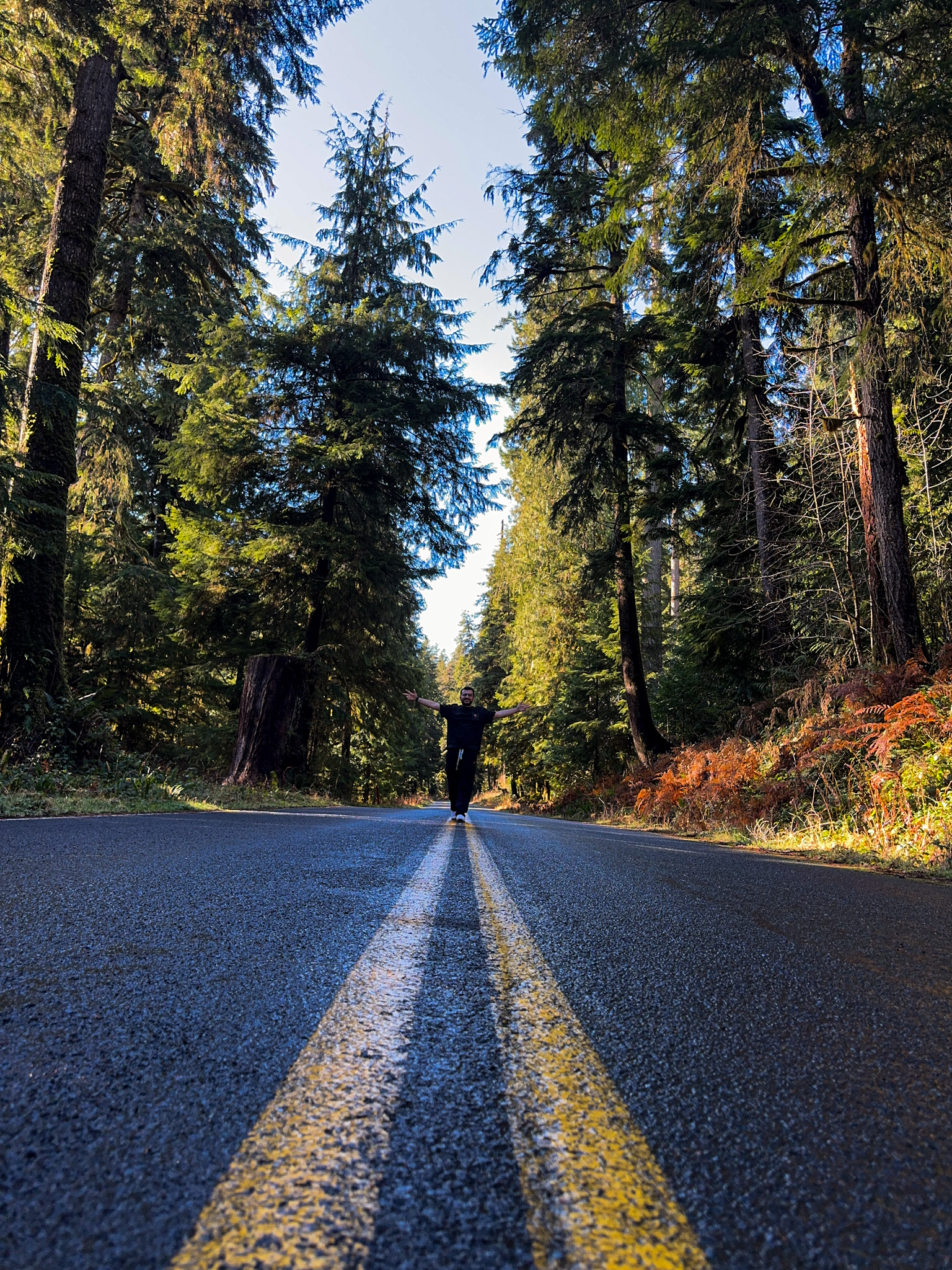
Even on shorter hikes, Olympic trails can feel remote. A little preparation goes a long way here.
Layered clothing is essential. Temperatures can change dramatically between shaded rainforest trails and exposed mountain ridges. A waterproof jacket is strongly recommended year-round.
Footwear matters more than you might expect. Trails can be muddy, slippery, or uneven—especially coastal and rainforest routes. Waterproof hiking shoes or boots are ideal.
Offline maps are extremely helpful. Download your trail maps ahead of time or bring a physical map, since GPS and cell service are unreliable in many areas.
For longer or harder hikes, trekking poles can help significantly with steep elevation gain or downhill sections. Also, bring more water than you think you’ll need—streams are common, but not always safe to drink without filtration.
Nearby Places to Stay & Explore
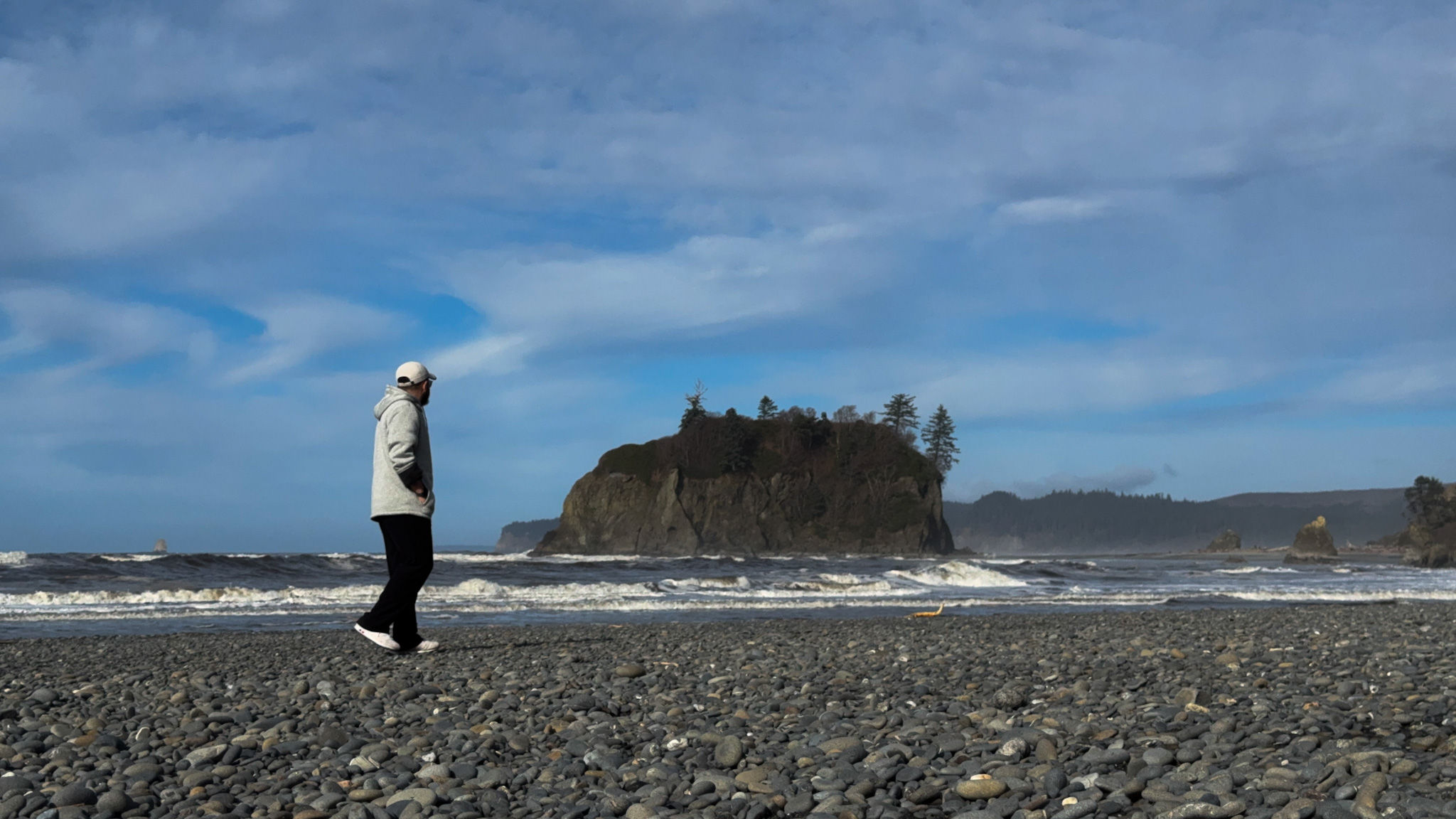
Where you stay can completely shape your Olympic National Park experience, since the park is spread out and driving times can be long.
Port Angeles
A great base for Hurricane Ridge, Lake Crescent, and the Elwha River area. It has the most lodging options, restaurants, and grocery stores nearby.
Forks
Best if you plan to explore the Hoh Rain Forest, coastal hikes, or beaches like Shi Shi and Rialto. It’s quieter and feels more remote, but very close to iconic trails.
Lake Crescent
Ideal for a peaceful stay surrounded by nature. Staying near Lake Crescent puts you close to Marymere Falls, Mount Storm King, and scenic lakeside walks.
If you want to minimize driving, it’s often better to move accommodations during your trip rather than stay in one place the entire time. Olympic isn’t a “one-base” park for most visitors.
Easy family friendly trails
Hall of Mosses Trail 🥾 0.8 miles | ⛰ 50 ft gain | ⏱ 30 min
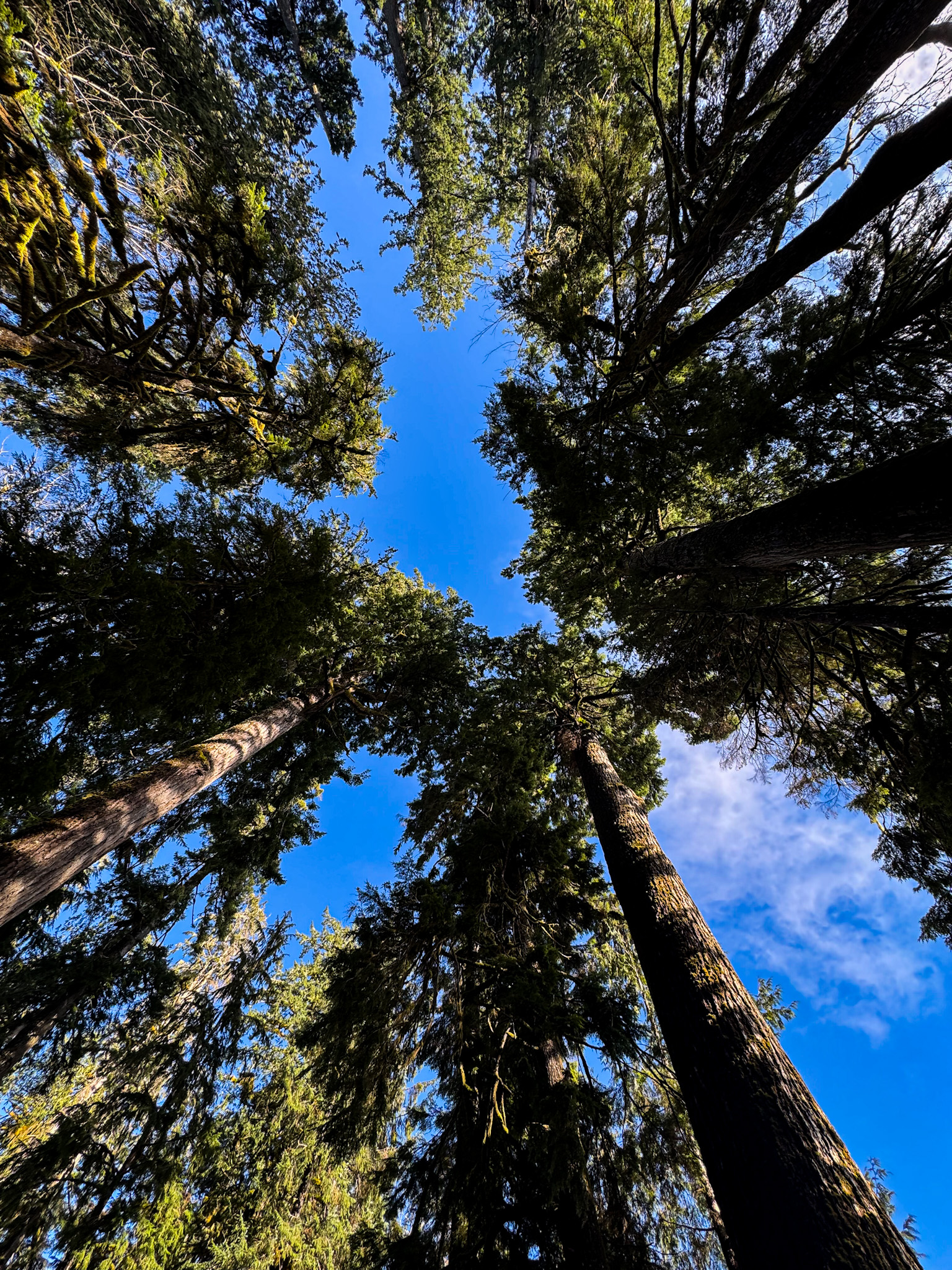
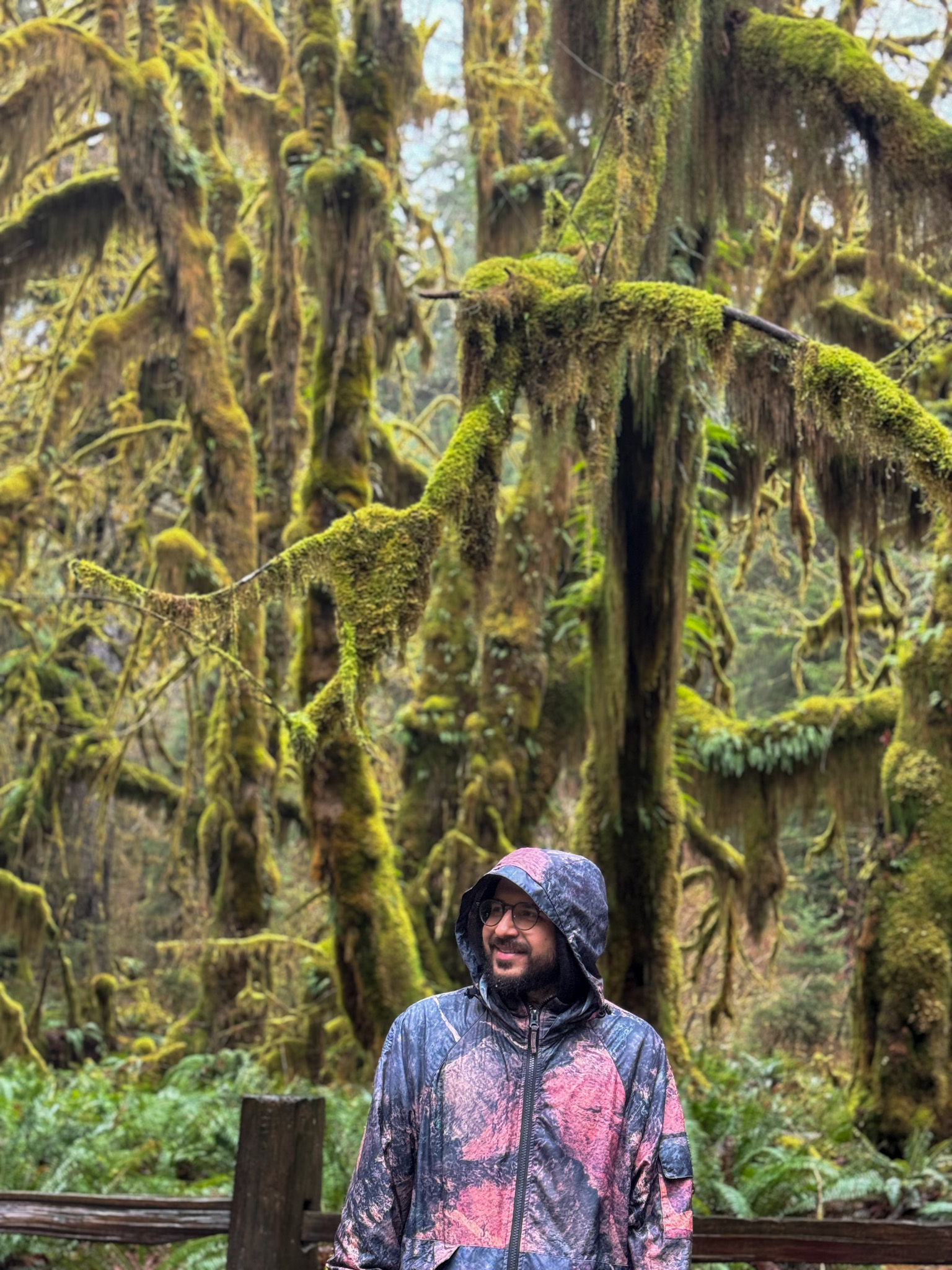
This is definitely a short trail, but it’s absolutely worth it. Located in the Hoh Rain Forest, this hike gives you Olympic’s signature look—towering trees, hanging moss, and soft green light everywhere you look.
The trail is flat, well maintained, and perfect for families, first-time visitors, or anyone wanting an easy introduction to the park.
📏 0.8 miles
⬆️ ~50 ft elevation gain
⏱ ~30 minutes
🔁 Loop
🗓 Best year-round
🌿 Terrain: dirt trail, forest floor
👣 Best for: families, first-time visitors, photography
Spruce Nature Trail. 🥾 1.2 miles | ⛰ 100 ft gain | ⏱ 45 min
Also located in the Hoh Rain Forest, this trail runs right next to the Hall of Mosses Trail. You can choose one or do both if you have the time.
This hike adds peaceful views of the Hoh River and tends to feel quieter. It’s slightly longer but still very easy, making it a great follow-up hike.
📏 1.2 miles
⬆️ ~100 ft elevation gain
⏱ ~45 minutes
🔁 Loop
🗓 Best year-round
🌿 Terrain: dirt trail, forest, riverbank
👣 Best for: relaxed hiking, quiet walks, nature lovers
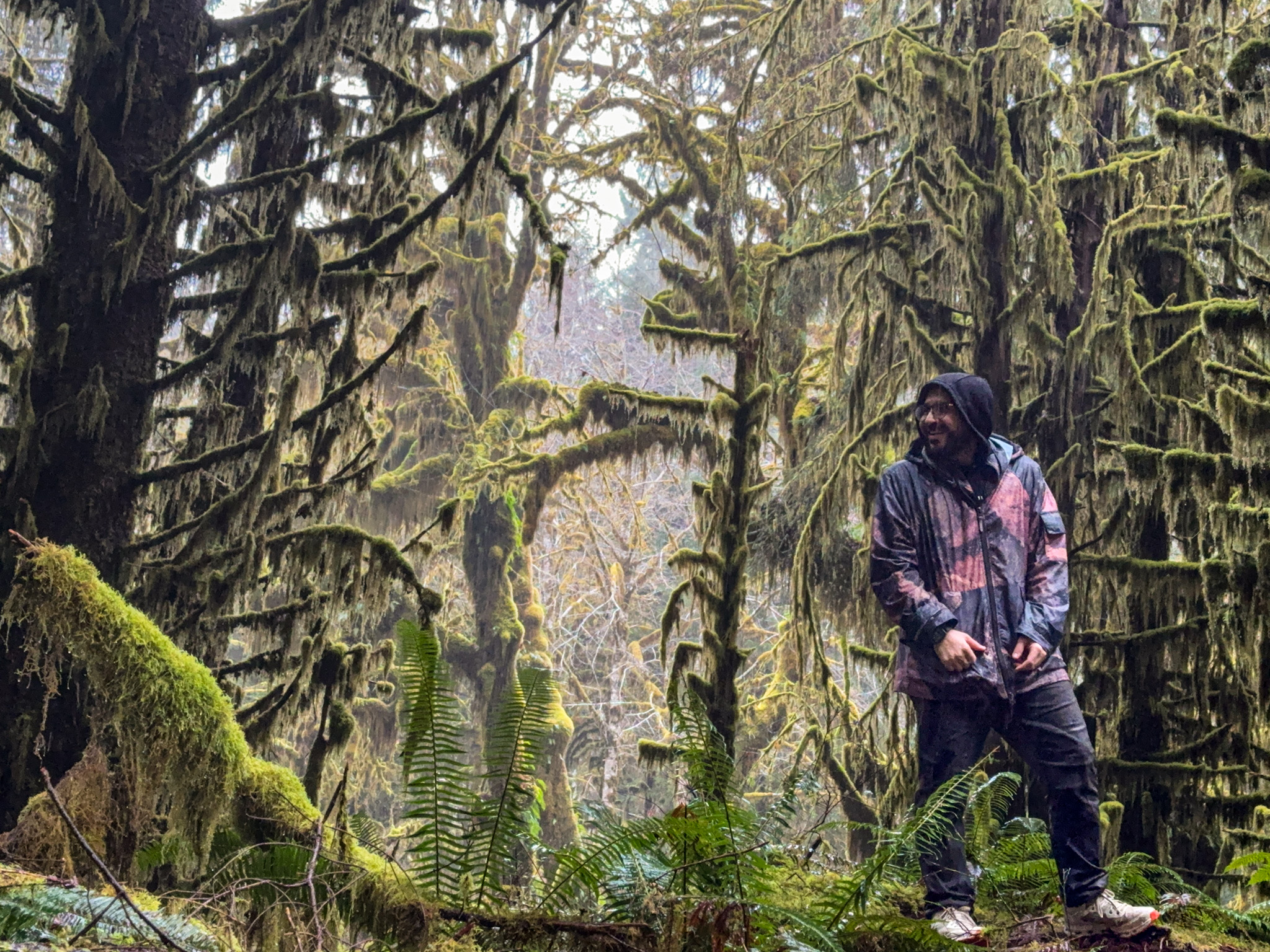
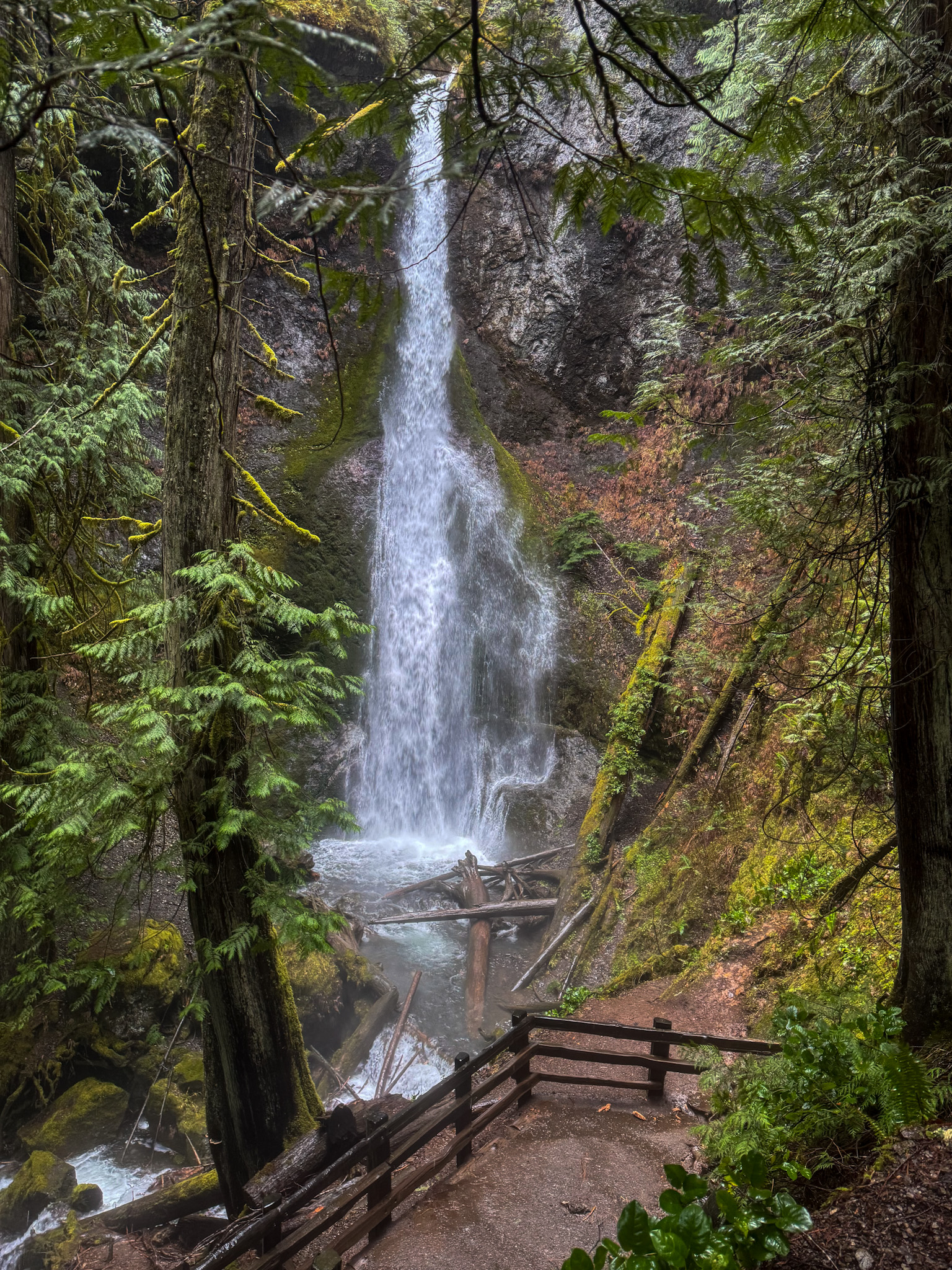
Marymere Falls Trail 🥾 1.8 miles | ⛰ 200 ft gain | ⏱ 1-1.5 hour
I saw several families while hiking here, and it’s definitely a trail that can be done with kids. The hike is straightforward, well marked, and leads to a beautiful waterfall near Lake Crescent.
Parking can fill up during peak season, so arriving early is a good idea. It’s an easy hike with a very rewarding ending.
📏 ~1.8 miles
⬆️ ~200 ft elevation gain
⏱ ~1–1.5 hours
🔁 Out & back
🗓 Best spring–fall
🌿 Terrain: dirt trail, bridges, forest
👣 Best for: families, waterfall lovers
Moderate Trails
Longer, more elevation, and huge scenery rewards.
Sol duc falls trail 🥾 1.6 miles | ⛰ 200 ft gain | ⏱ 1 hour
I’ll be honest—if you’re only chasing waterfalls, Marymere Falls might be more impressive. What I love about this hike is the forest experience.
Walking between the trees here feels peaceful and immersive. If you continue past the main waterfall, the trail leads deeper into the Pacific Northwest landscape.
📏 1.6 miles
⬆️ ~200 ft elevation gain
⏱ ~1 hour
🔁 Out & back
🗓 Best spring–fall
🌿 Terrain: dirt trail, forest
👣 Best for: nature immersion, light adventure
Hurricane Hill trail. 🥾 3.4 miles | ⛰ 700 ft gain | ⏱ 2-3 hour
This is one of the most popular hikes in Olympic National Park. The paved trail climbs gradually and offers incredible 360-degree views of the Olympic Mountains, Strait of Juan de Fuca, and even Vancouver Island on clear days.
It’s a great choice if you want mountain views without a technical trail.
📏 3.2–3.4 miles
⬆️ ~650–700 ft elevation gain
⏱ ~2–3 hours
🔁 Out & back
🗓 Best June–October
🌿 Terrain: paved trail
👣 Best for: views, first-time mountain hikers
Ozette Triangle Trail 🥾 9.4 miles | ⛰ 400 ft gain | ⏱ 4-6 hour
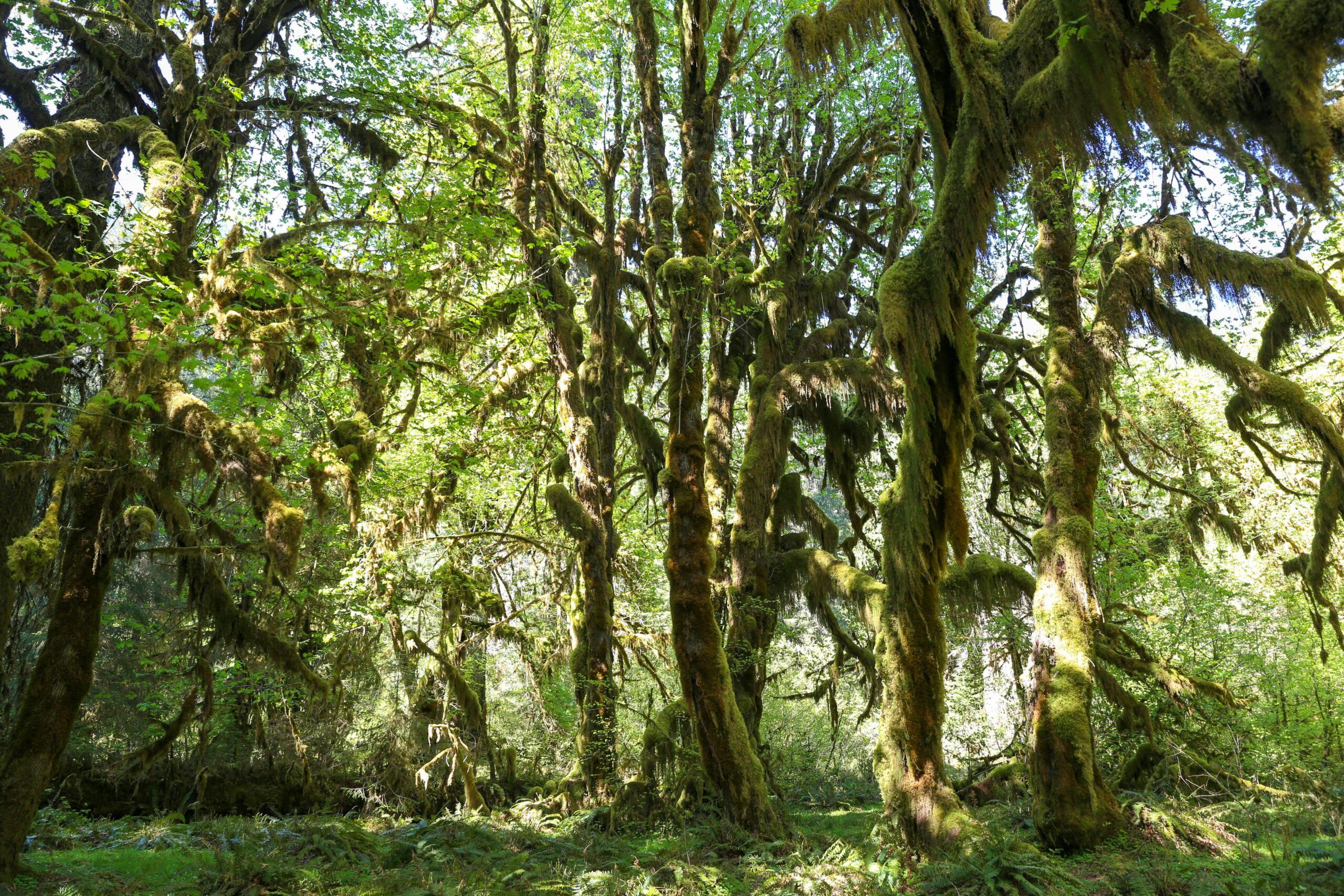
This trail feels completely different from most Olympic hikes. You’ll walk through boardwalk forest sections, along wild beaches, and past sea stacks and ancient petroglyphs.
It’s long but not very steep—the challenge comes from distance and beach walking rather than elevation gain.
📏 9.4 miles
⬆️ ~400 ft elevation gain
⏱ ~4–6 hours
🔁 Loop
🗓 Best late spring–early fall
🌿 Terrain: boardwalk, sand, coastal trail
👣 Best for: coastal hiking, unique scenery
Hard / Challenging Trails
For experienced hikers looking for serious adventure.
Mount Storm King Trail 🥾 4 miles | ⛰ 2000 ft gain | ⏱ 4-5 hours
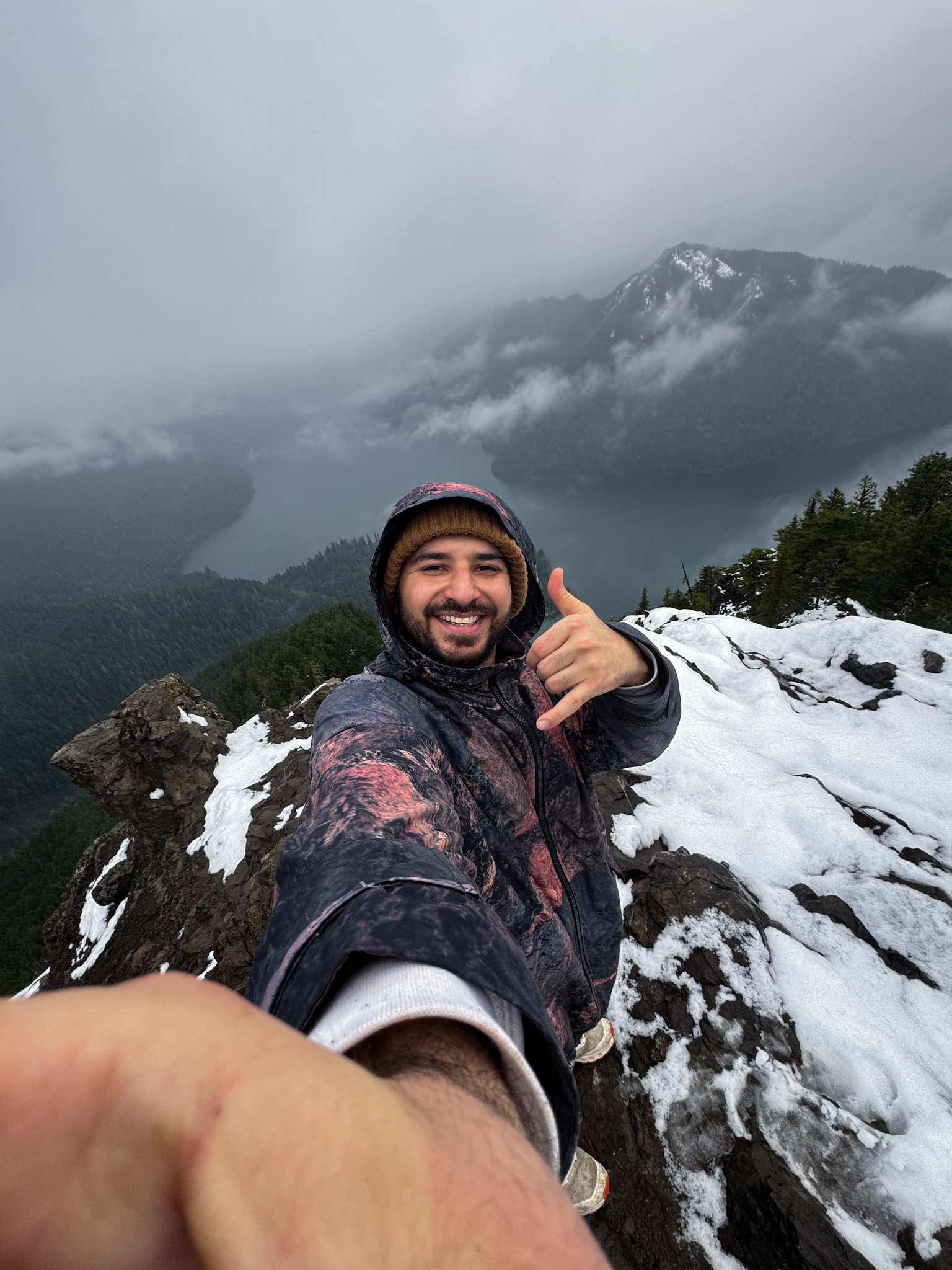
I’ve done this hike in winter, with snow and ice near the top, and it was still amazing. This trail is short but extremely steep and physically demanding.
The view over Lake Crescent from the top is one of the best in the park. I would absolutely do this hike again—with proper preparation.
📏 ~4 miles
⬆️ ~2,000 ft elevation gain
⏱ ~4–5 hours
🔁 Out & back
🗓 Best late spring–fall
🌿 Terrain: steep dirt trail, rocky sections
👣 Best for: experienced hikers, epic views
Enchanted Valley Trail 🥾 25.6 miles | ⛰ 3,254 ft gain | ⏱ 11-12 hours
Alright, I’ll be honest—I haven’t done this one yet, but it’s high on my list. Known as the “Valley of 10,000 Waterfalls,” this hike is long, remote, and incredibly scenic.
I usually start long hikes around 6–7 a.m. to avoid finishing after sunset, and this trail definitely requires that level of planning. Best done as an overnight backpacking trip.
📏 25.6 miles
⬆️ ~3,254 ft elevation gain
⏱ ~11–12 hours (or overnight)
🔁 Out & back
🗓 Best summer–early fall
🌿 Terrain: forest trail, river valley
👣 Best for: backpacking, experienced hikers
Shi Shi Beach Trail 🥾 8.9 miles | ⛰ 567 ft gain | ⏱ 3-5 hours
I haven’t personally done this hike yet, but it’s consistently recommended by hikers and locals. The trail leads to one of the most scenic beaches in Olympic National Park.
Even though elevation gain is moderate, sand, mud, and coastal conditions make this hike physically tiring. Tides matter here.
📏 8.9 miles
⬆️ ~567 ft elevation gain
⏱ ~3–5 hours
🔁 Out & back
🗓 Best late spring–fall
🌿 Terrain: mud, forest, beach sand
👣 Best for: coastal views, adventure hikers
Biking Trails (Limited but Worth Mentioning)
Bikes are not allowed on most hiking trails, but these are excellent alternatives.
Olympic Discovery Trail 🥾 130 miles | ⛰ 6,167 ft gain
This trail is massive, and I wouldn’t recommend trying to do all of it at once. I biked a section near Lake Crescent, where the gravel road was scenic and manageable.
The best way to enjoy this trail is by choosing shorter sections based on your fitness level.
📏 130.4 miles (sectioned)
⬆️ ~6,167 ft elevation gain
🗓 Best spring–fall
👣 Best for: biking, multi-day rides
Spruce Railroad Trail 🥾 4 miles | ⛰ 700 ft gain | ⏱ 1.5-3 hours
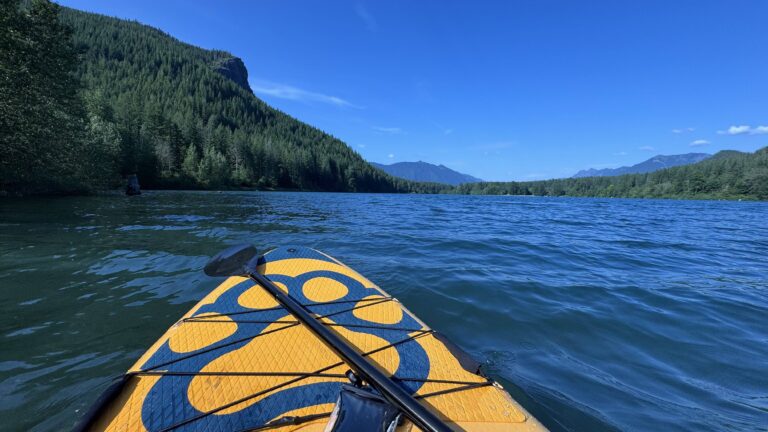
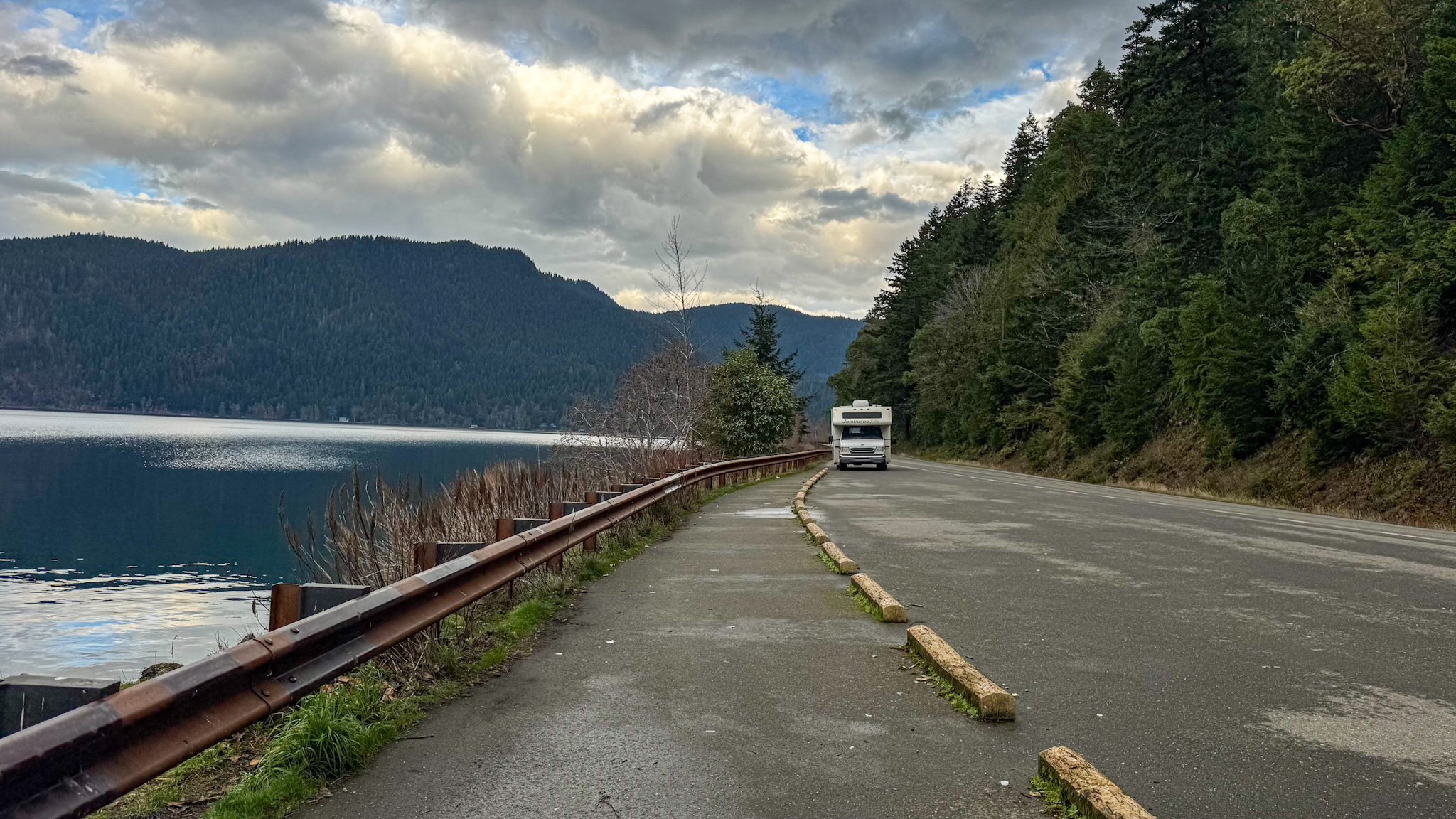
The Spruce Railroad Trail is a scenic, mostly flat, point-to-point trail that runs along the northern shoreline of Lake Crescent in Olympic National Park. It follows a former railway grade and is also a segment of the larger Olympic Discovery Trail, a multi-use route connecting communities across the northern Olympic Peninsula.
Because of its paved surface and gentle grade, this trail offers a much more relaxed experience compared to mansteep Olympic hikes. It’s open year-round and popular for walking, biking, and casual exploring, with constant lake views and quiet forest sections.
Quick Trail Info
📏 ~4 miles (one way)
⬆️ 700 elevation gain
⏱ 1.5–3 hours depending on pace and stops
🗓 Best year-round (summer for swimming)
👣 Best for: easy hikes, biking, families, relaxed lake views
Elwha River Trail 🥾 26 miles | ⛰ 6,118 ft gain | ⏱ 13-14 hours
This long point-to-point route near Port Angeles is popular for backpacking and biking. It offers a quieter experience compared to more crowded parts of the park.
Most people plan this as a full-day or overnight trip. Dogs are not allowed.
📏 26 miles
⬆️ ~6,118 ft elevation gain
⏱ ~13–14 hours
🗓 Best late spring–fall
👣 Best for: endurance hikers, solitude