Seattle to San Francisco Road Trip Itinerary (Highway 101 Route)
This itinerary is designed for travelers who want to drive the Pacific Coast Highway / Highway 101 route from Seattle to San Francisco and experience the dramatic coastline of Oregon and Northern California.
Instead of rushing the drive, this plan focuses on enjoying the journey — stopping for coastal viewpoints, hiking trails, charming seaside towns, and sunsets along the Pacific Ocean.
You could technically drive from Seattle to San Francisco in about 14–16 hours, but that would completely miss what makes this route special. I recommend spending at least 7–8 days so you can explore the Oregon Coast, spend time in the redwood forests, and enjoy the small coastal towns along the way.
This itinerary focuses mainly on Oregon’s coastline and Northern California, which are some of the most beautiful sections of the entire West Coast road trip.
If you want to explore more of Washington’s coast before heading south, check my full guide here:
⚡ Seattle to San Francisco Highway 101 Road Trip — Quick Planning Snapshot
Distance: ~750–800 miles
Ideal trip length: 6–7 days
Best time to visit: May – October
Most scenic sections: Oregon Coast & Redwood forests
Major highlights:
• Cannon Beach
• Oregon Dunes
• Heceta Head Lighthouse
• Redwood National Park
• Avenue of the Giants
Best for:
• Coastal scenery
• Hiking
• Photography
• Relaxed road trips
Seattle to San Francisco Road Trip Highlights Map
Content table
- 🚗 Day 1 (Seattle to Astoria)
- 🌊 Day 2 Astoria – Cannon beach – Lincoln city
- 📍 Day 3 (Lincoln city – Florence)
- 🥾 Day 4 (Florence → Redwood National Park (Crescent city))
- 🌲 Day 5 Redwood National Park ( Crescent city )
- 🚗 Day 6 Redwood National Park – Eureka
- 🌅 Day 7 Eureka → Avenue of the Giants → Mendocino → San Francisco
- 🌤 Best Time to Drive Highway 101
- 💰 Estimated Cost for a 7–8 Day Road Trip
- ❓ Seattle to San Francisco FAQ
Why I built this guide
I live in the Pacific Northwest and spend a lot of time exploring the areas around Seattle, especially places that can be reached in a few hours or less. I’m drawn to trips that don’t require long drives or packed itineraries — just good scenery, time outdoors, and space to slow down.
The places on this page aren’t recommendations pulled from a list. They’re destinations I’ve personally visited, camped at, hiked through, or spent real time exploring. I built this guide to share the kinds of weekend getaways I actually return to — places that feel like a reset, not a checklist.
If you’re looking for realistic trips, honest experiences, and ideas that work for both quick escapes and slower weekends, you’re in the right place.
Day 1 (Seattle to Astoria)
Seattle →(4 hours) Astoria
Driving time: ~4 hours
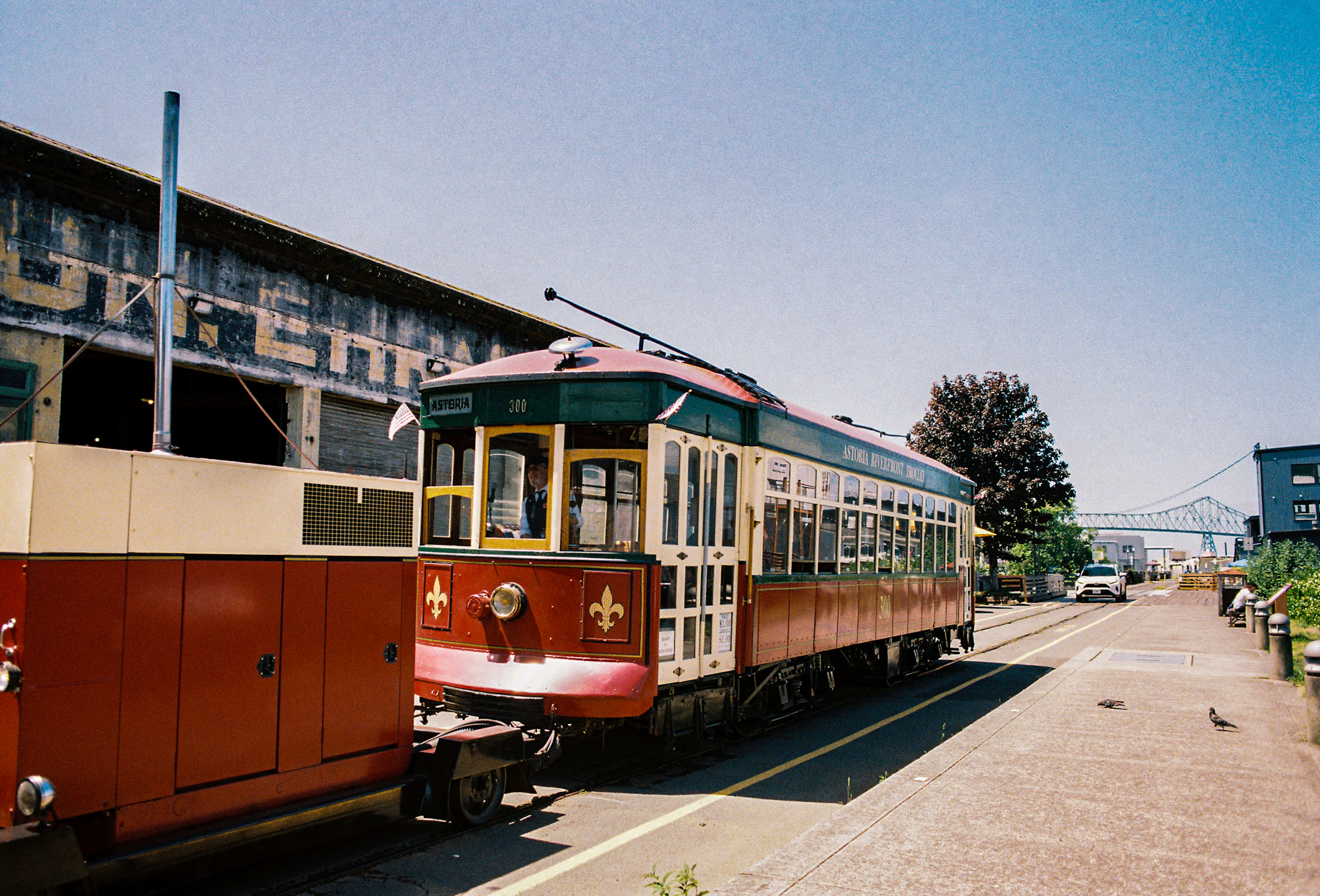
Start your trip by heading south from Seattle toward the Oregon border. Your first major stop will be the historic coastal town of Astoria, located where the Columbia River meets the Pacific Ocean.
Astoria is one of the oldest settlements on the West Coast and has a relaxed harbor-town vibe.
Things to do in Astoria:
• Walk along Commercial Street, which is lined with historic buildings, restaurants, and small shops.
• Explore Marine Drive, where you can watch ships entering the Columbia River.
• Grab coffee at Sleeper Coffee, one of my favorite stops in town.
If you have extra time, you can also visit the Astoria Column, which offers panoramic views of the Columbia River and the coastline.
Astoria is a great place to stay for the night before starting the Oregon Coast drive.
Featured Posts
Seattle to San Francisco Road Trip 101 Itinerary
Seattle to San Francisco Road Trip Itinerary (Highway 101 Route) This itinerary is designed for…
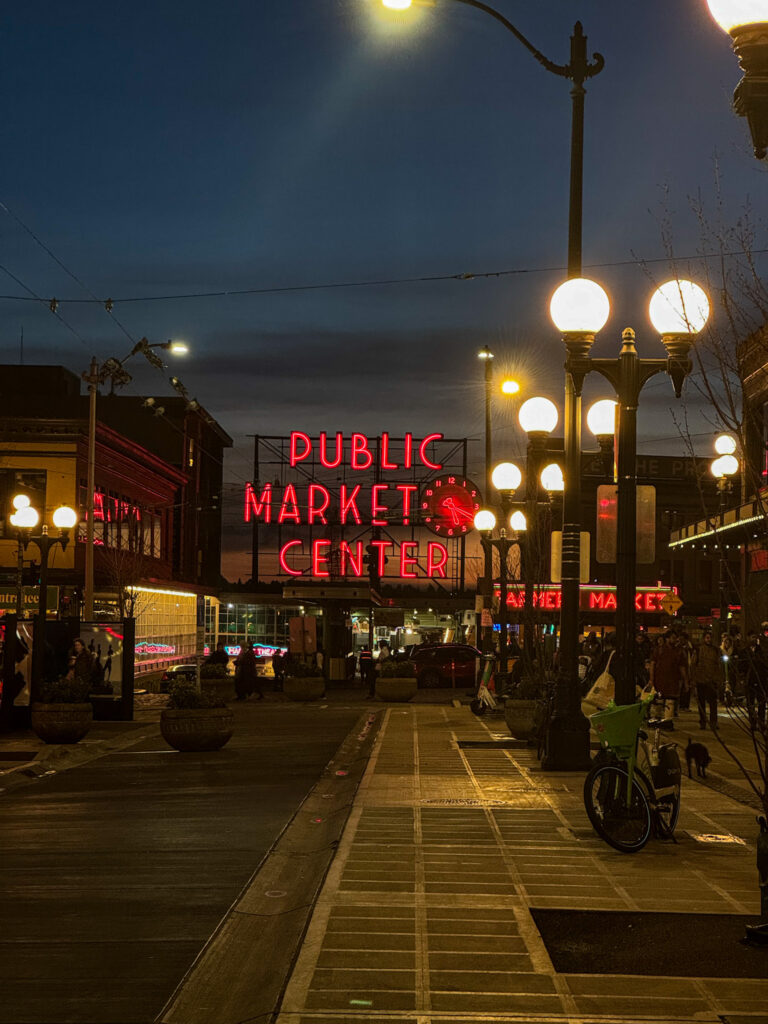
Seattle Itinerary: A Realistic 2–3 Day Plan
Seattle Itinerary: A Realistic 2–3 Day Plan Hey guys — it’s me again.I’m not here…
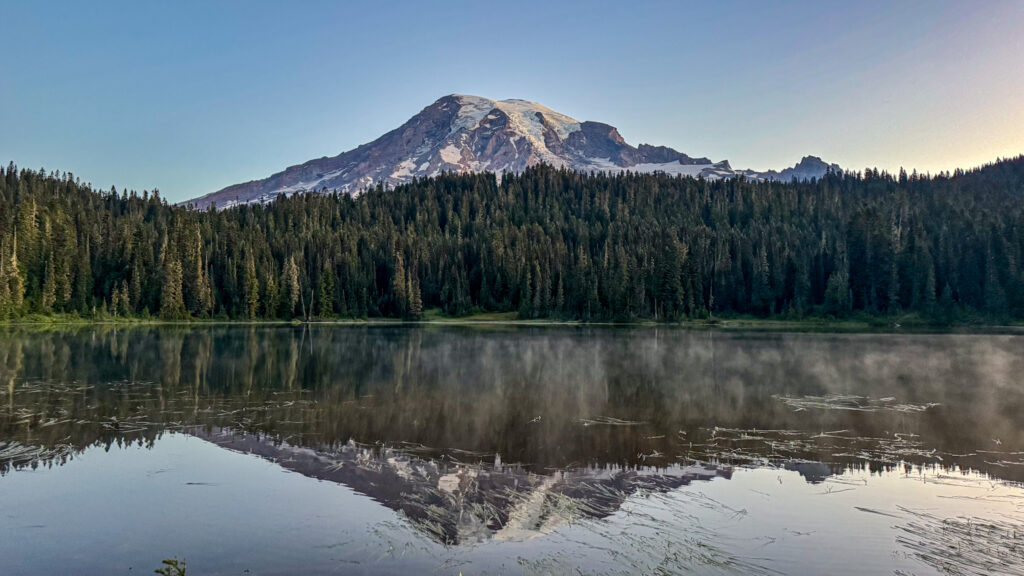
Mount Rainier Itinerary: 1, 2 & 3 Day Trip Ideas for First-Time Visitors
Mount Rainier Itinerary: 1, 2 & 3 Day Trip Ideas for First-Time Visitors Mount Rainier…
Day 2 Astoria – Cannon beach – Lincoln city
Astoria →(45 min) Cannon Beach →(1 hour 20 min) Tunnel Beach →(1 hour and 15 min) Lincoln City
Driving time: ~2.5 hours
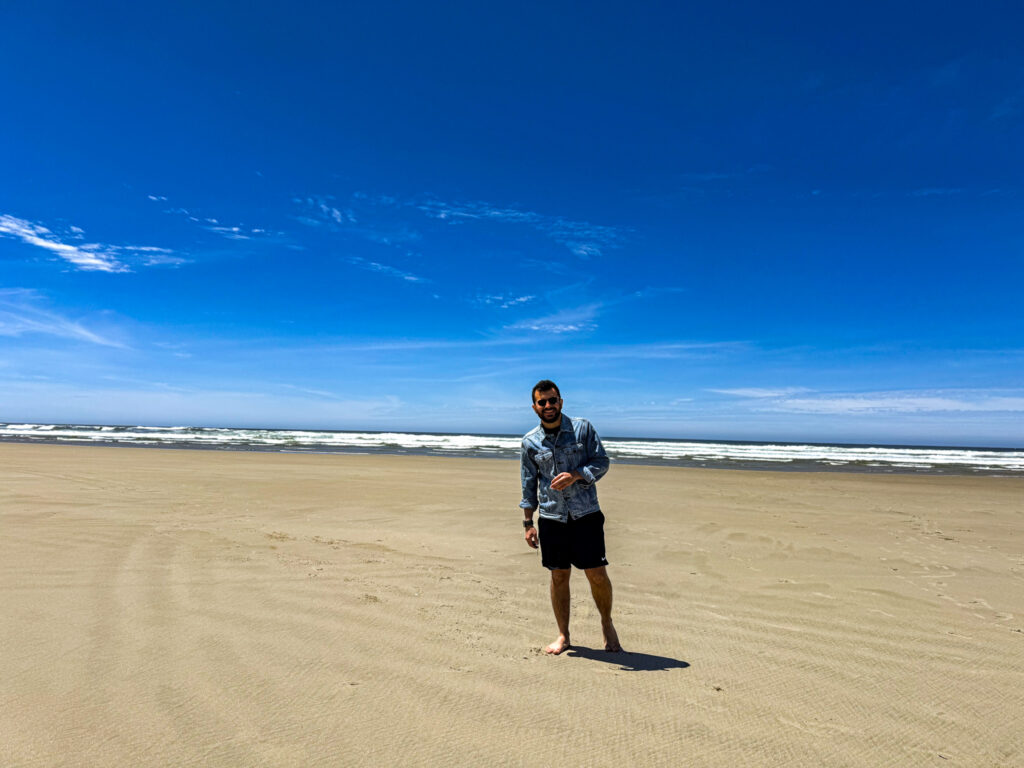
This is where the classic Oregon Coast scenery really begins.
Cannon Beach
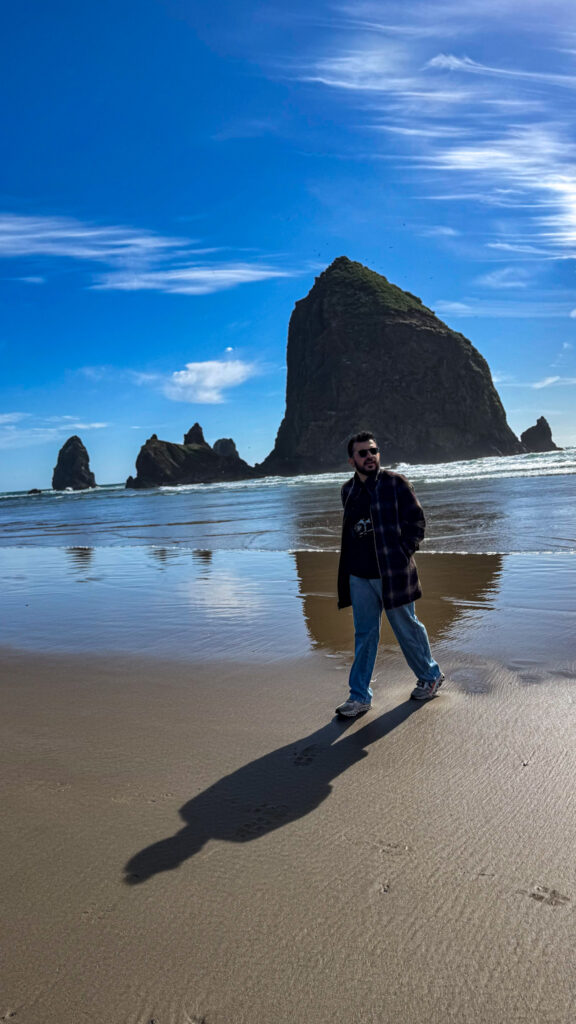
The first stop is Cannon Beach, one of the most famous beaches in Oregon.
The highlight here is Haystack Rock, a massive sea stack rising from the shoreline that has become one of the most photographed landmarks on the Oregon coast.
Things to do here:
• Walk along the beach near Haystack Rock
• Explore the shops and cafés on North Hemlock Street
• Watch the tide pools around the rock during low tide
Even a short stop here is worth it.
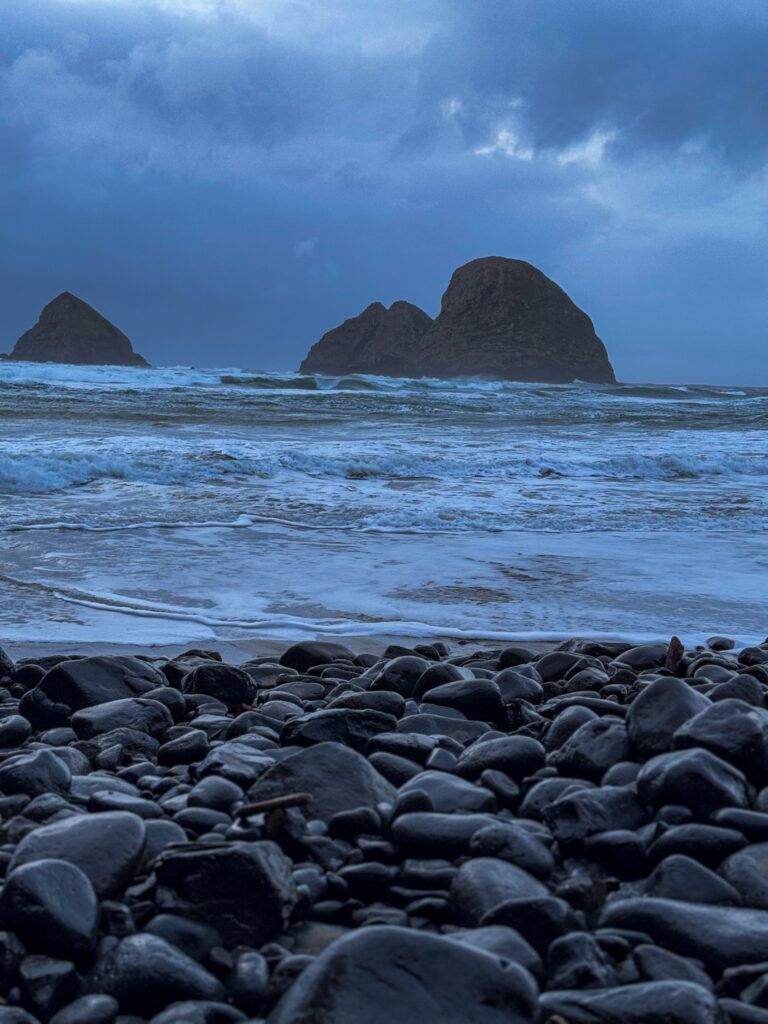
Tunnel Beach
About 1 hour 20 minutes south of Cannon Beach, Tunnel Beach offers a completely different coastal landscape.
This area is known for:
• Dark volcanic rock formations
• Dramatic cliffs
• Moody coastal views
It’s a quieter stop than Cannon Beach and great for photos.
Lincoln City
Finish the day in Lincoln City, which has a long stretch of beach and plenty of places to stay.
It’s a good place to relax, grab dinner, and enjoy a sunset on the beach.
Day 3 (Lincoln city – Florence)
Lincoln City →(22 min) Depoe Bay →(1 hour 30 min) Florence →(30 min ) Oregon Dunes
Driving time: ~2 hours 30 min
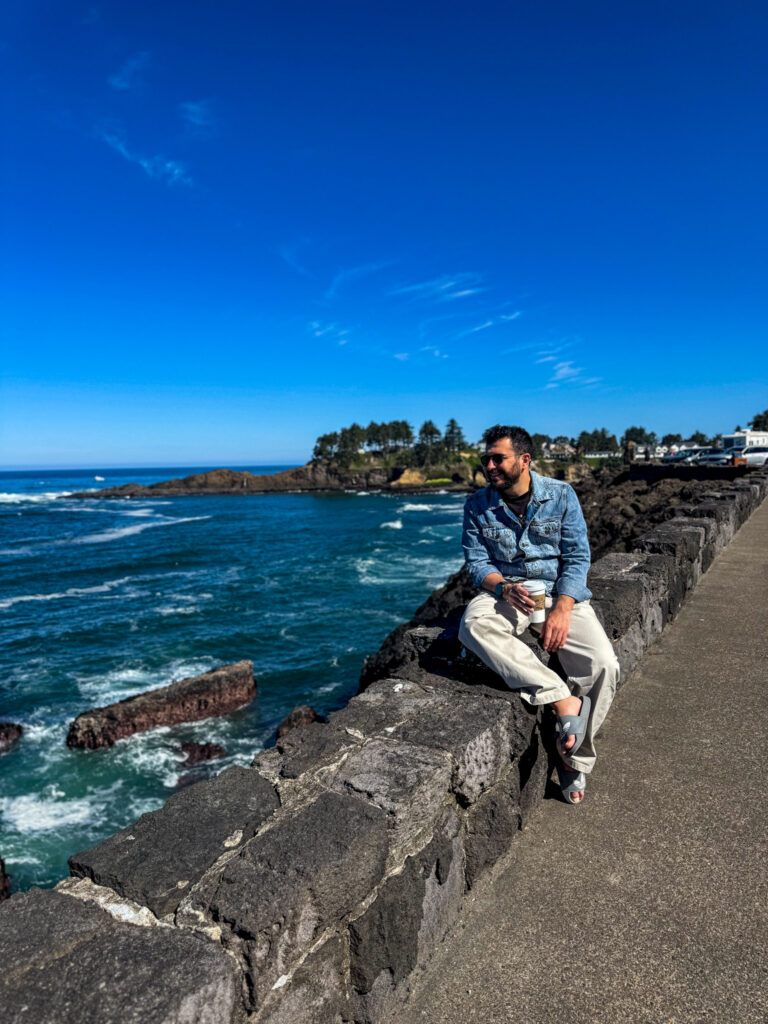
Depoe Bay
This small town is known as the “Whale Watching Capital of the Oregon Coast.”
If you’re lucky, you may spot gray whales from the shoreline.
Heceta Head Lighthouse
One of the most iconic viewpoints along the Oregon Coast.
The lighthouse sits on a cliff overlooking the Pacific and is easily one of the most photographed spots in Oregon.
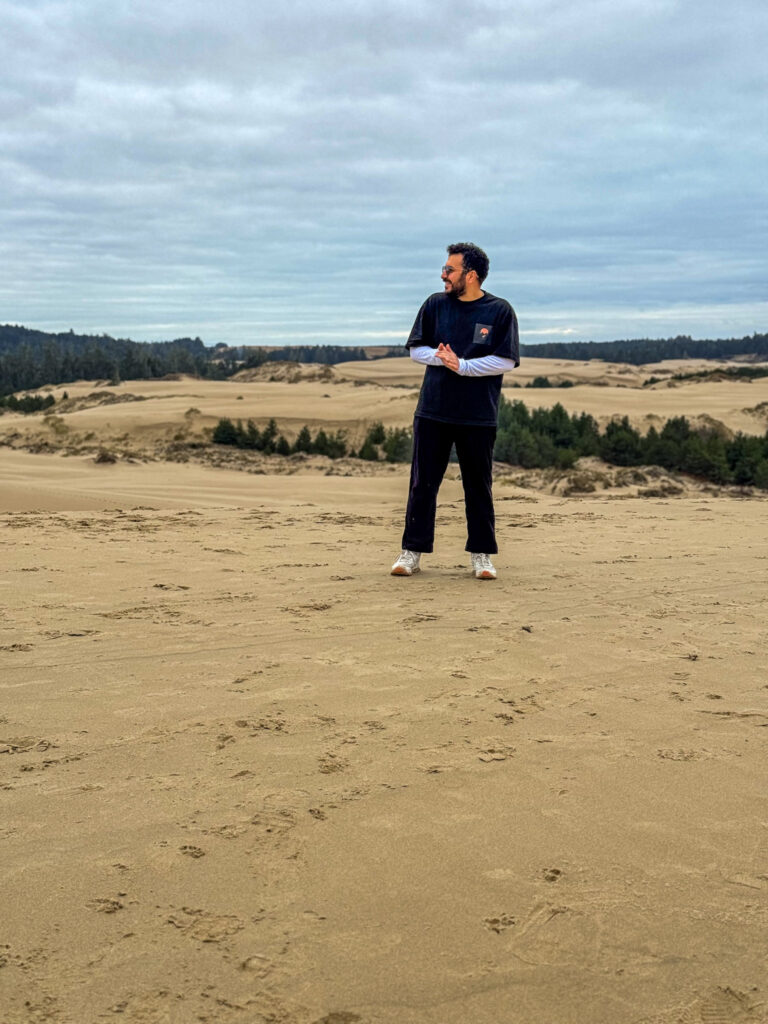
Oregon Dunes
The Oregon Dunes National Recreation Area feels completely different from the rest of the coast.
Instead of cliffs and rocky beaches, you’ll see massive sand dunes stretching for miles.
You can:
• Walk along the dunes
• Try sandboarding
• Watch sunset over the sand hills
Stay overnight near Florence.
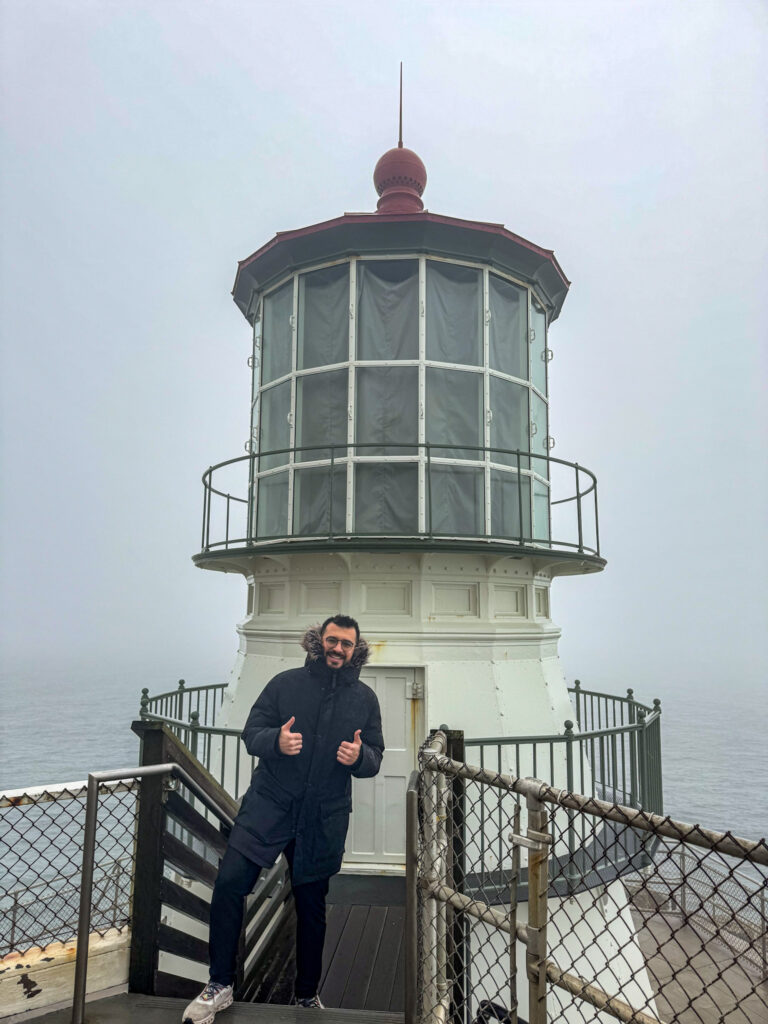
Day 4 (Florence → Redwood National Park (Crescent city))
Driving time: ~4 hours
This is the day you leave the Oregon Coast and enter Northern California and the famous Redwood forests. Even though the drive time looks short on the map, expect the journey to take most of the day. The coastal highway has plenty of scenic viewpoints, and you’ll probably want to stop along the way.
Before reaching the redwoods, consider stopping at Natural Bridges near Brookings, Oregon. It’s a quick and beautiful viewpoint where natural rock arches rise out of the ocean. It’s a great place to stretch your legs and enjoy the last dramatic views of the Oregon coastline before crossing into California.
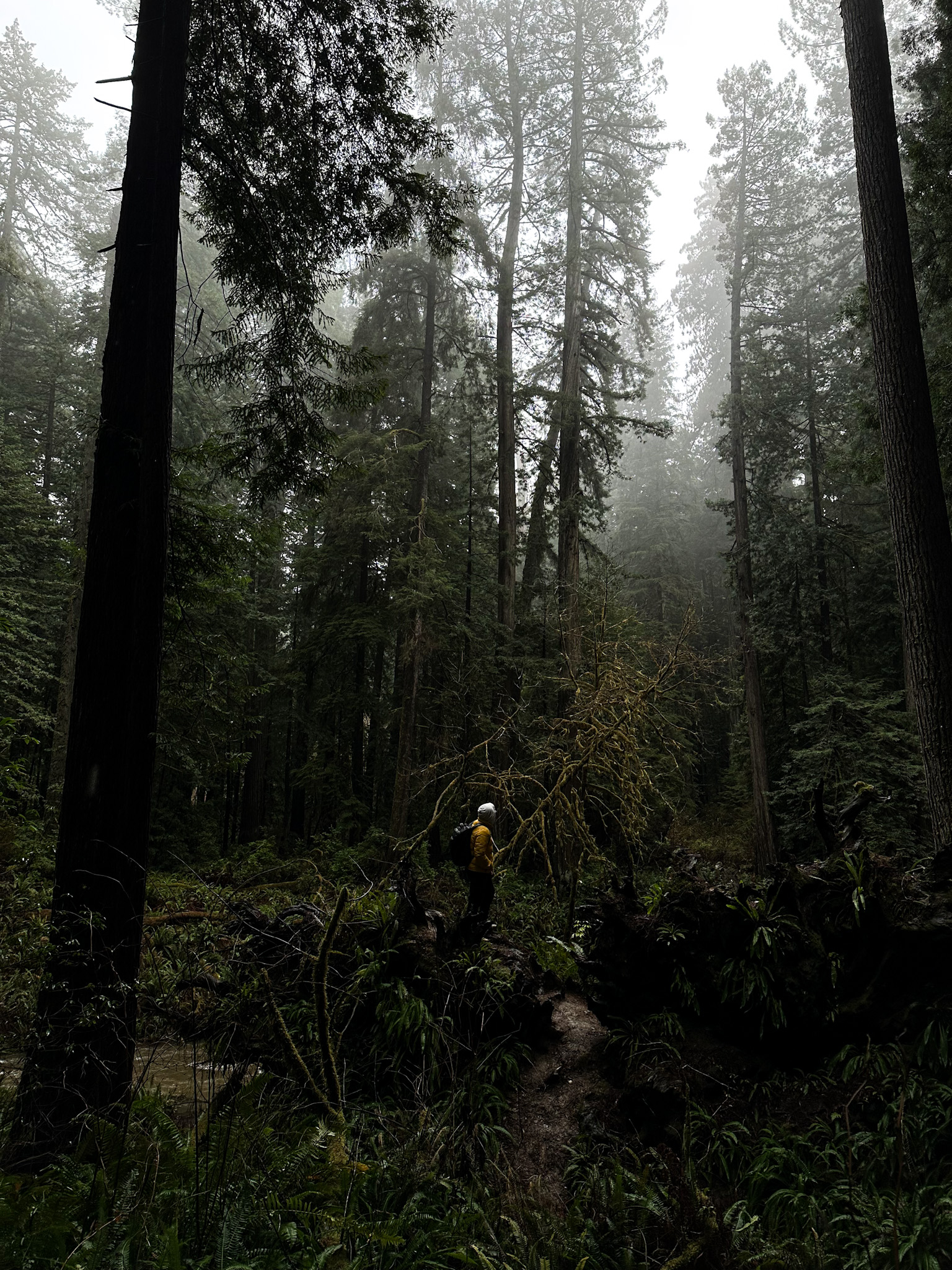
By the time you arrive near Crescent City, you’ll officially be entering Redwood National and State Parks, home to some of the tallest trees on Earth.
I recommend using this day mainly for the drive and enjoying the scenery. The real hiking in the redwoods deserves a full day, which is why I suggest saving the trails for tomorrow.
Take the evening to relax, explore Crescent City, and prepare for a day surrounded by towering redwood trees.
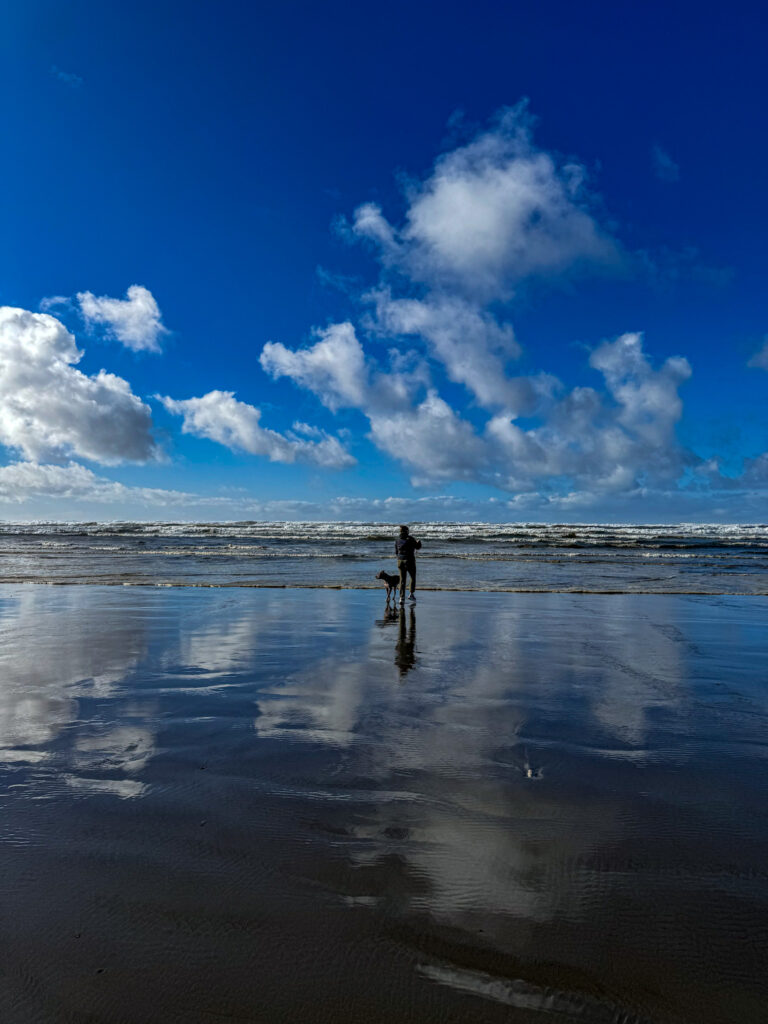
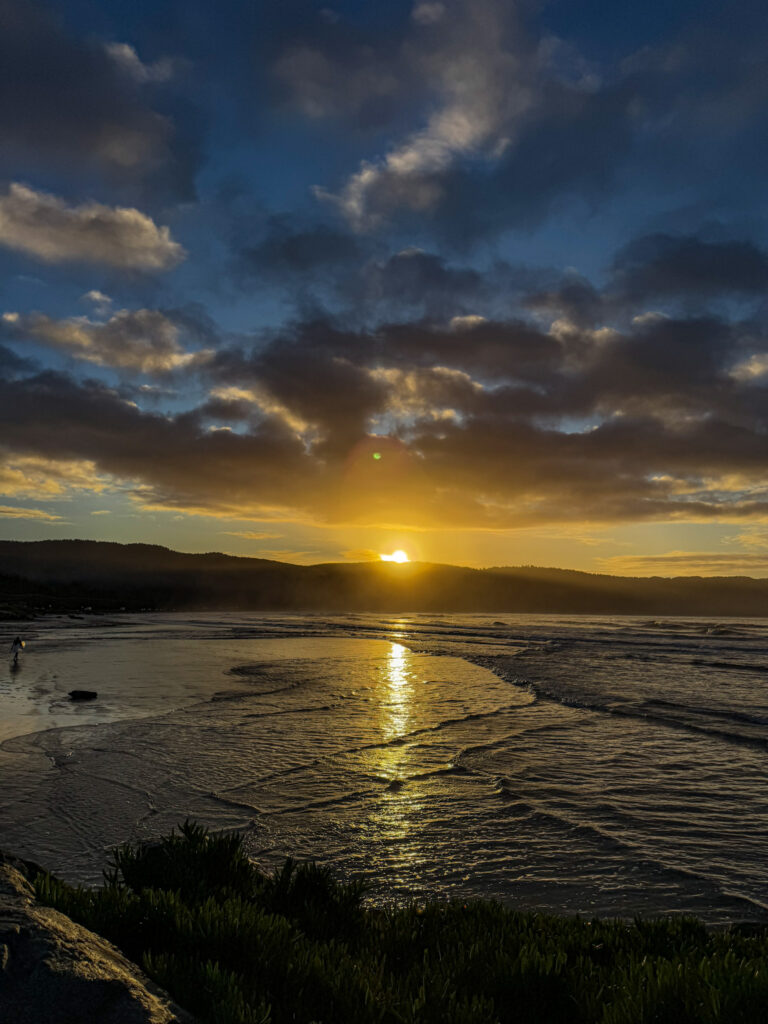
Day 5 Redwood National Park ( Crescent city )
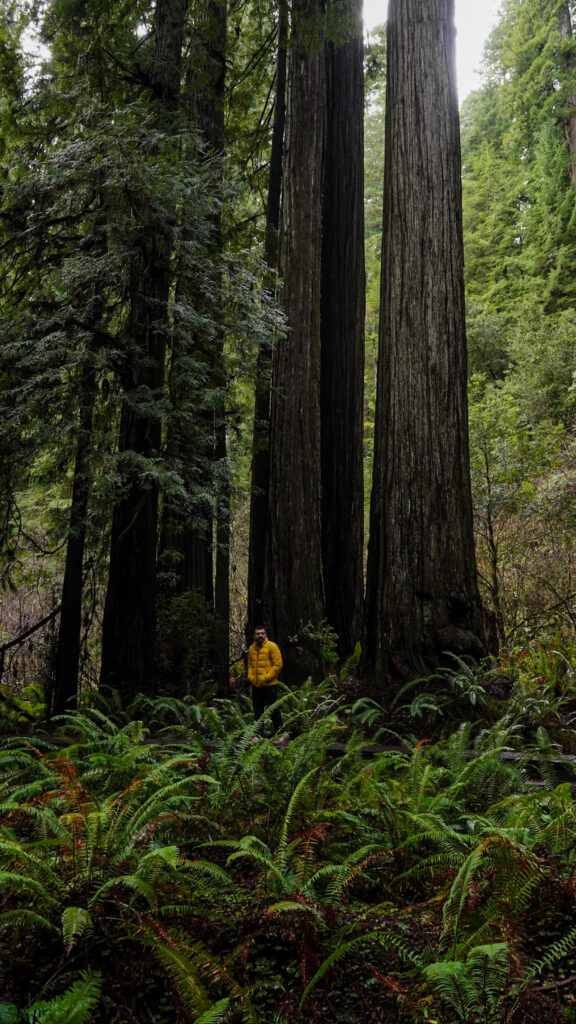
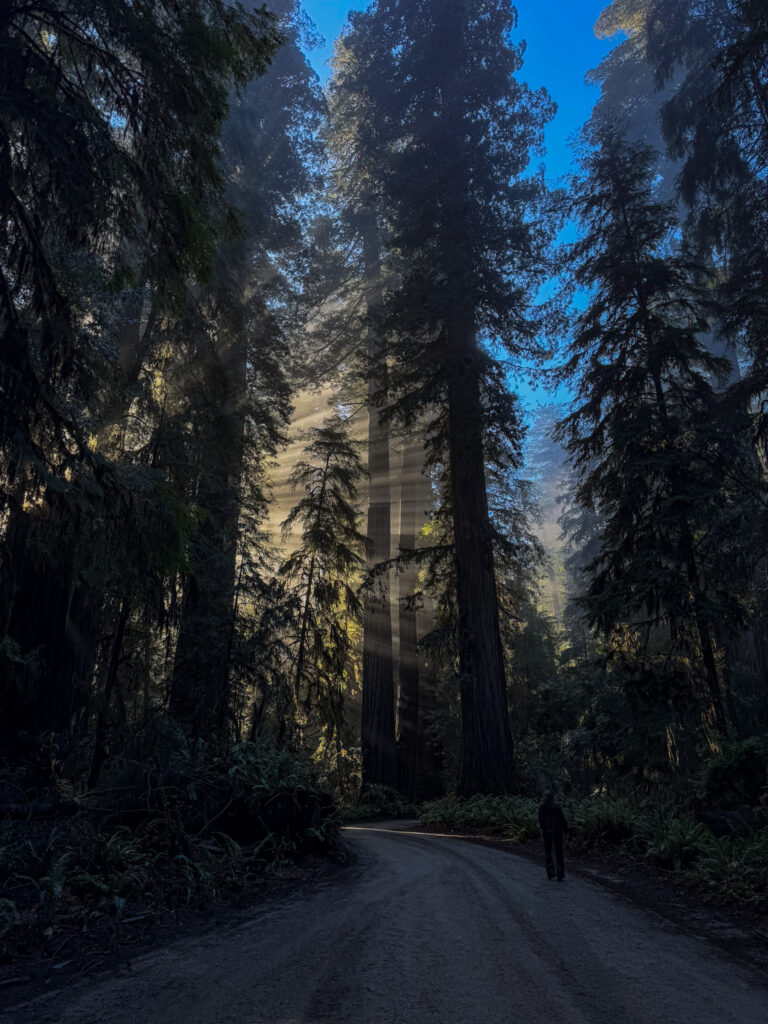
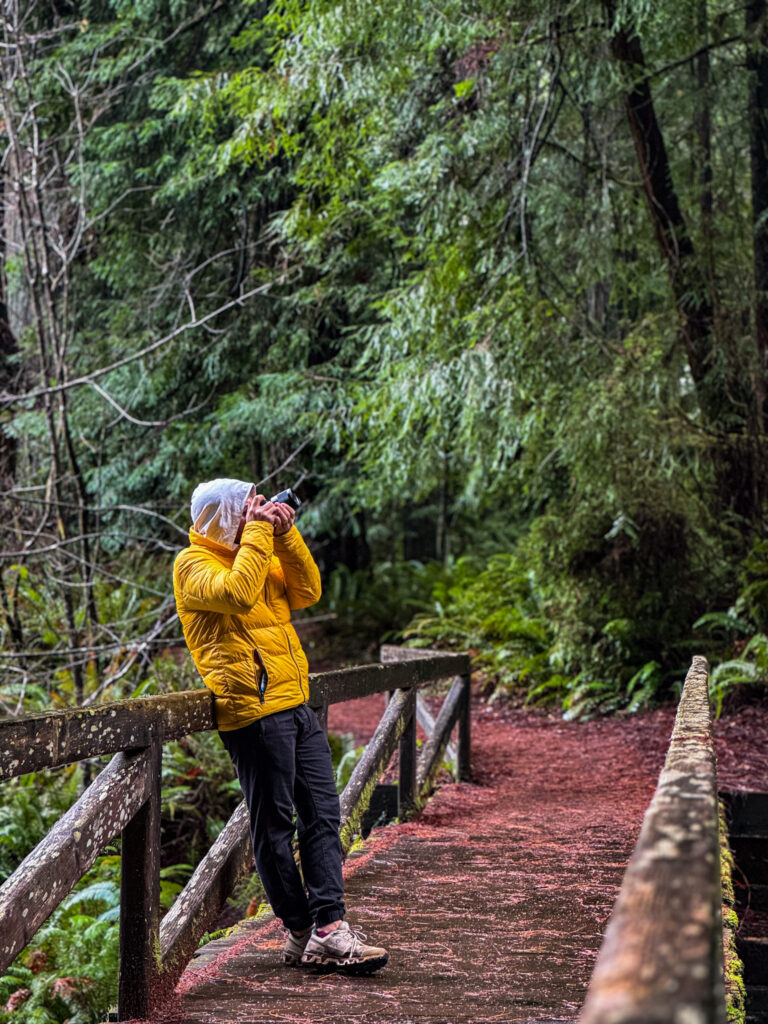
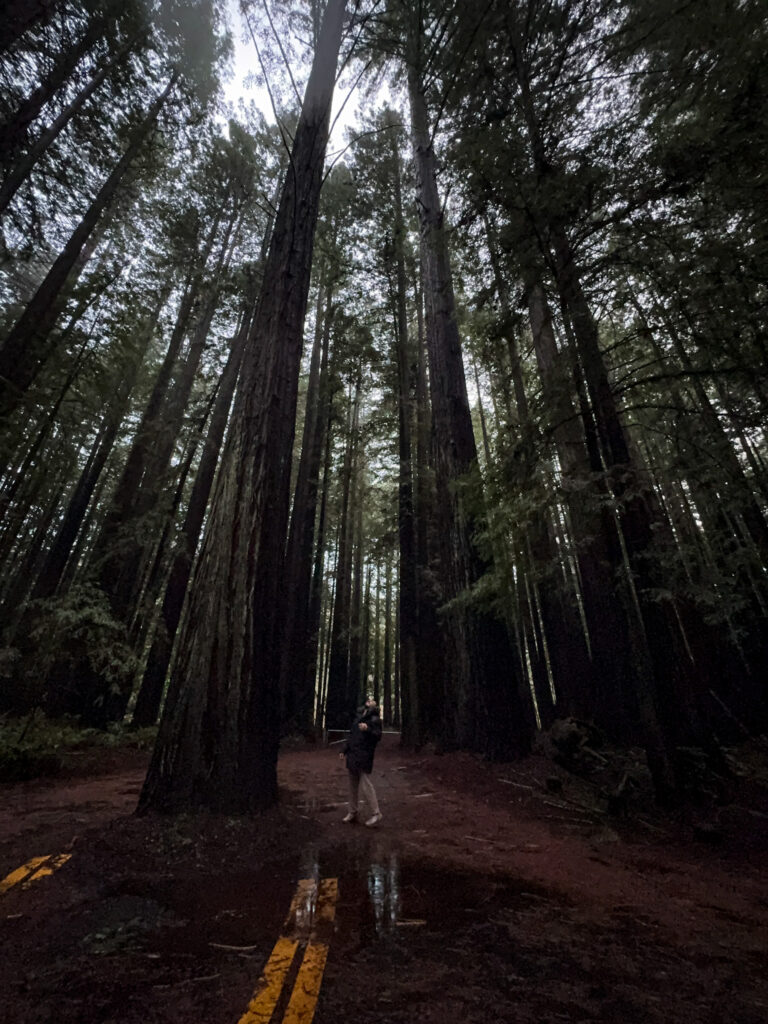
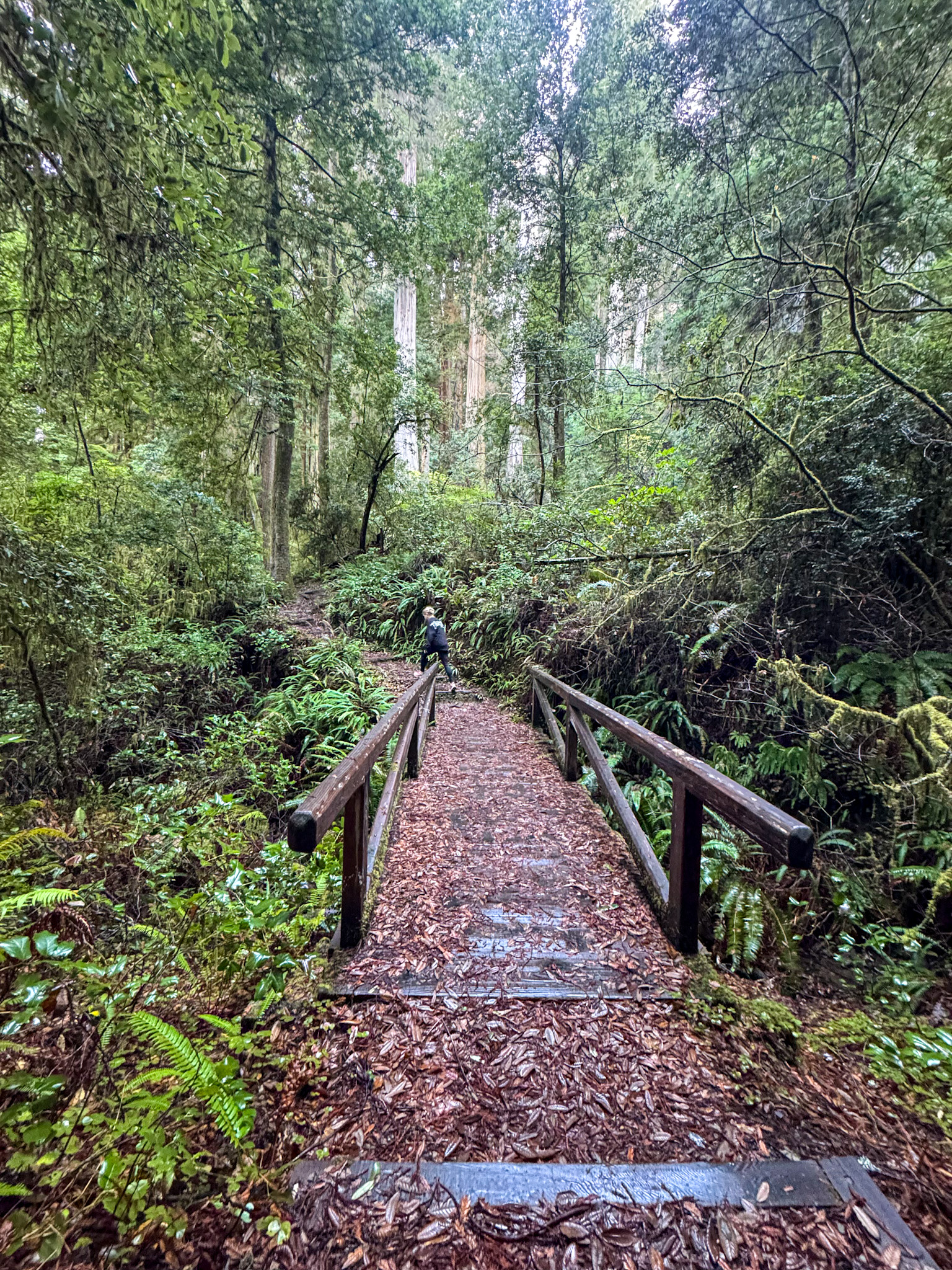
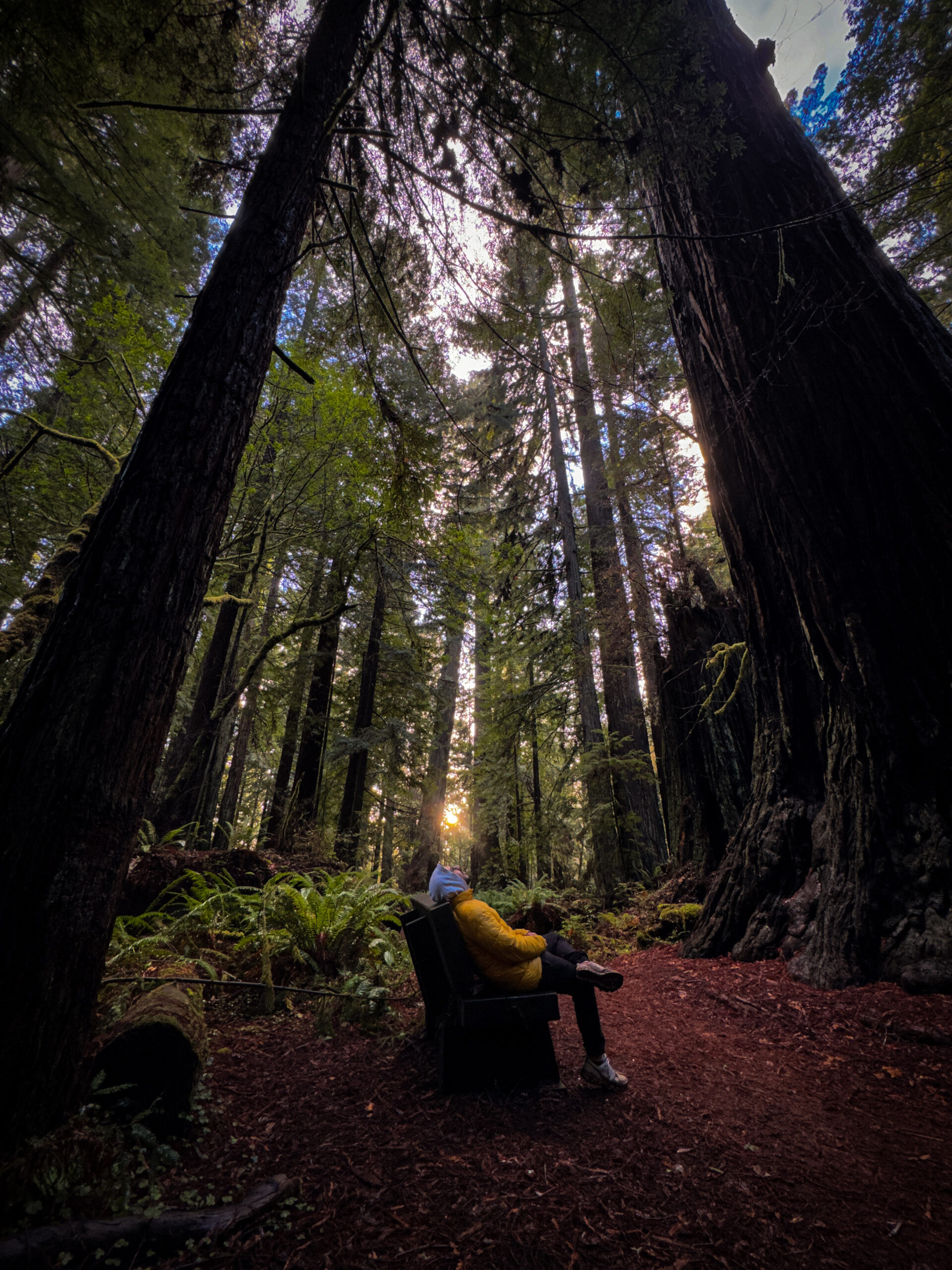
Spend the day exploring the Redwood forests, one of the most unique landscapes in the United States. Walking among these trees feels completely different from hiking in most other national parks. The forests are quiet, shaded, and the trees can grow over 300 feet tall.
You don’t need to do a long hike here to appreciate the park. One or two trails is usually enough to experience the magic of the redwoods.
Here are some great options:
Grove of Titans Trail
Distance: ~1.5 miles round trip
Elevation gain: ~200 ft
Difficulty: Easy
This trail leads to one of the most famous groves in the park. It’s filled with massive old-growth redwood trees, many of which are thousands of years old. The walk is short and very accessible.
Boy Scout Tree Trail
Distance: ~5.5 miles round trip
Elevation gain: ~800 ft
Difficulty: Moderate
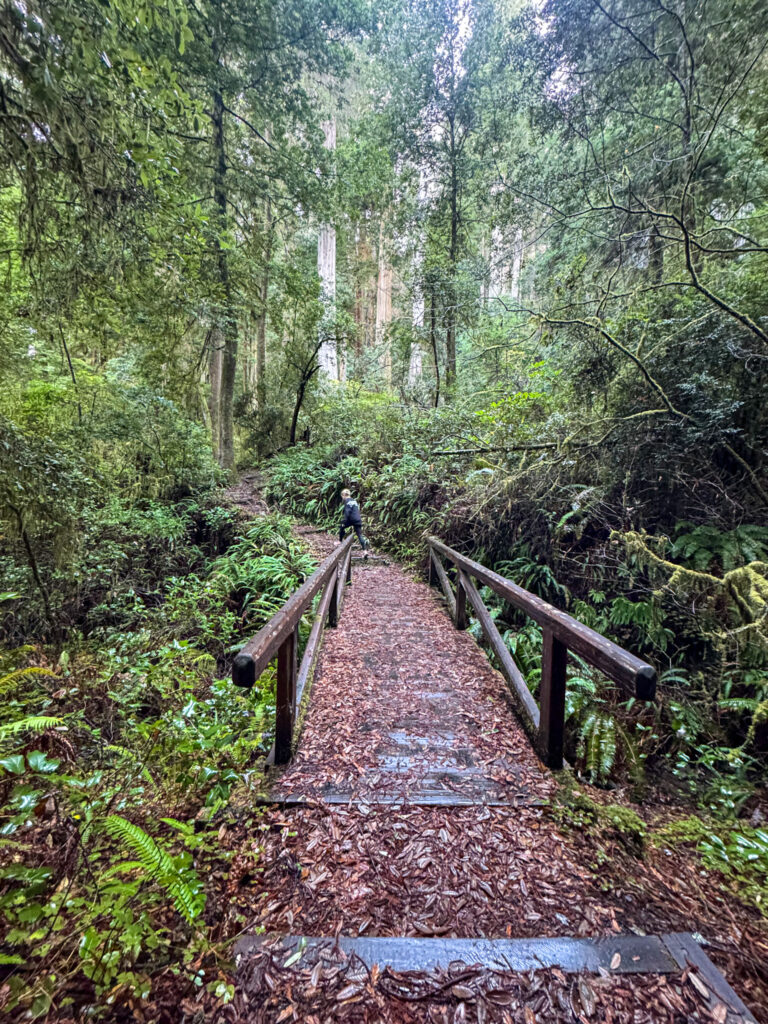
This is one of the most rewarding hikes in the park. The trail winds through dense forest and eventually leads to the impressive Boy Scout Tree and a small waterfall.
If you’re looking to do one longer hike in the redwoods, this is a great choice.
Karl Knapp Trail
Distance: ~2.5 mile loop
Elevation gain: minimal
Difficulty: Easy
Located in Prairie Creek Redwoods State Park, this trail is a peaceful walk through some of the most photogenic parts of the forest. The trail is great if you want a relaxed hike without much elevation.
Tall Trees Grove
Distance: ~4 miles round trip
Elevation gain: ~800 ft
Difficulty: Moderate
This trail takes you to one of the most famous groves of redwood trees in the park. Because the area is protected, you’ll need a free permit from the park service before visiting.
It’s a quieter and more remote experience compared to the other trails.
Even if you only hike one or two of these trails, you’ll still get an incredible experience walking through the redwoods.
Day 6 Redwood National Park – Eureka
Redwood National Park ( Crescent city ) → (1h hour 3o min) Eureka
This is a shorter driving day, which gives you flexibility depending on how much hiking you want to do before continuing south.
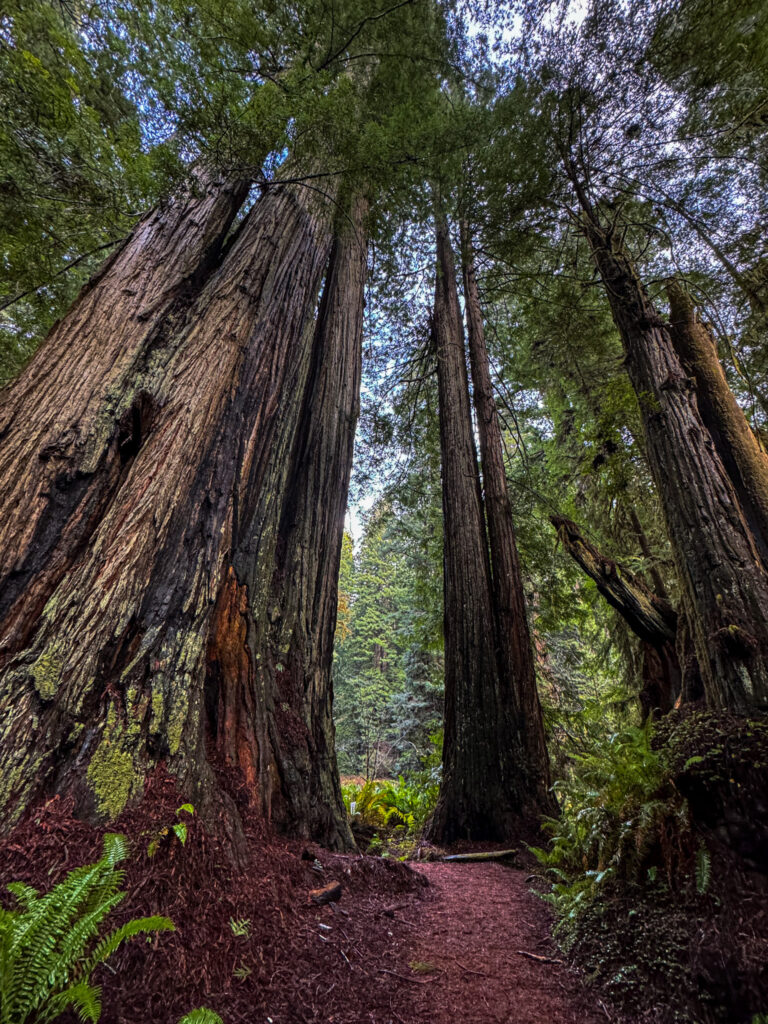
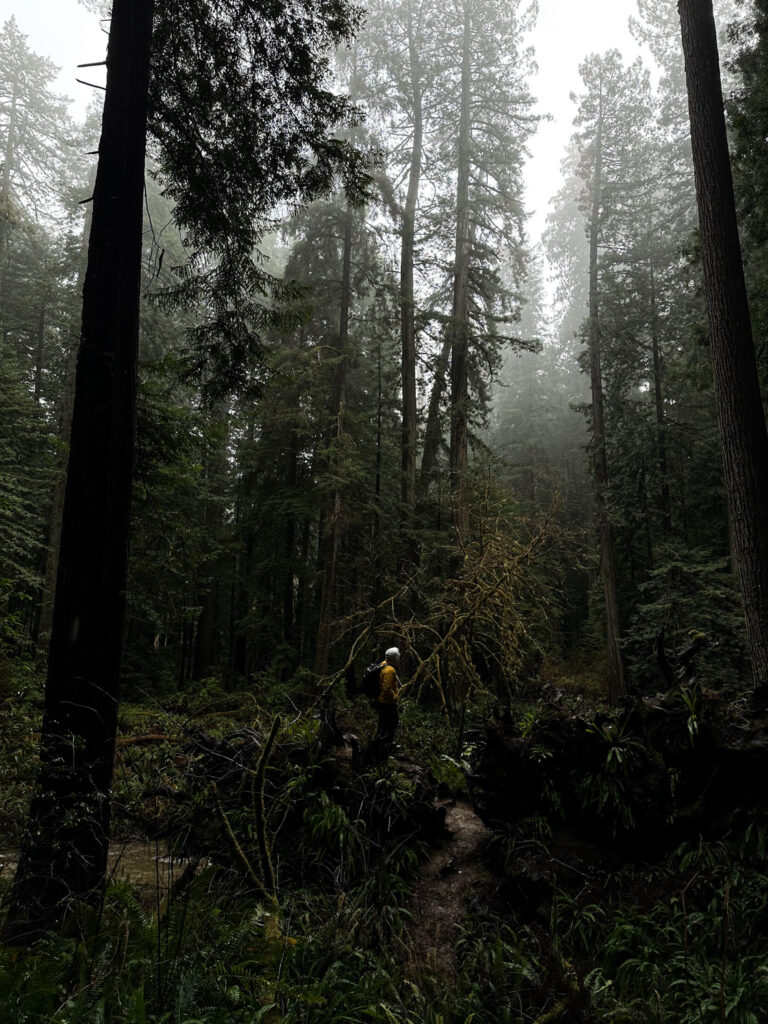
If you didn’t get enough time in the forest yesterday, you can stop again in Prairie Creek Redwoods State Park. The Prairie Creek Visitor Center is a good place to start, and there are several short trails nearby that let you explore more of the forest.
Another option is to simply enjoy a slower drive south through the redwoods before reaching Eureka, which is one of the larger towns along this stretch of the coast.
Eureka has more options for hotels, restaurants, and grocery stores, making it a practical place to spend the night before continuing the road trip.
Day 7 Eureka → Avenue of the Giants → Mendocino → San Francisco
Driving time: ~5–6 hours
The final day of the road trip includes one of the most scenic drives in Northern California.
Start the morning by driving the Avenue of the Giants, a famous 31-mile scenic road that runs through towering redwood forests. This stretch is slower than the highway but absolutely worth it. The road winds through some of the largest trees in the world and has several pullouts where you can stop and walk among the trees.
After leaving the redwoods, continue south toward the beautiful coastal town of Mendocino. This small town sits on cliffs above the ocean and has a relaxed, artistic vibe. It’s a great place to grab lunch or walk along the coastal trails.
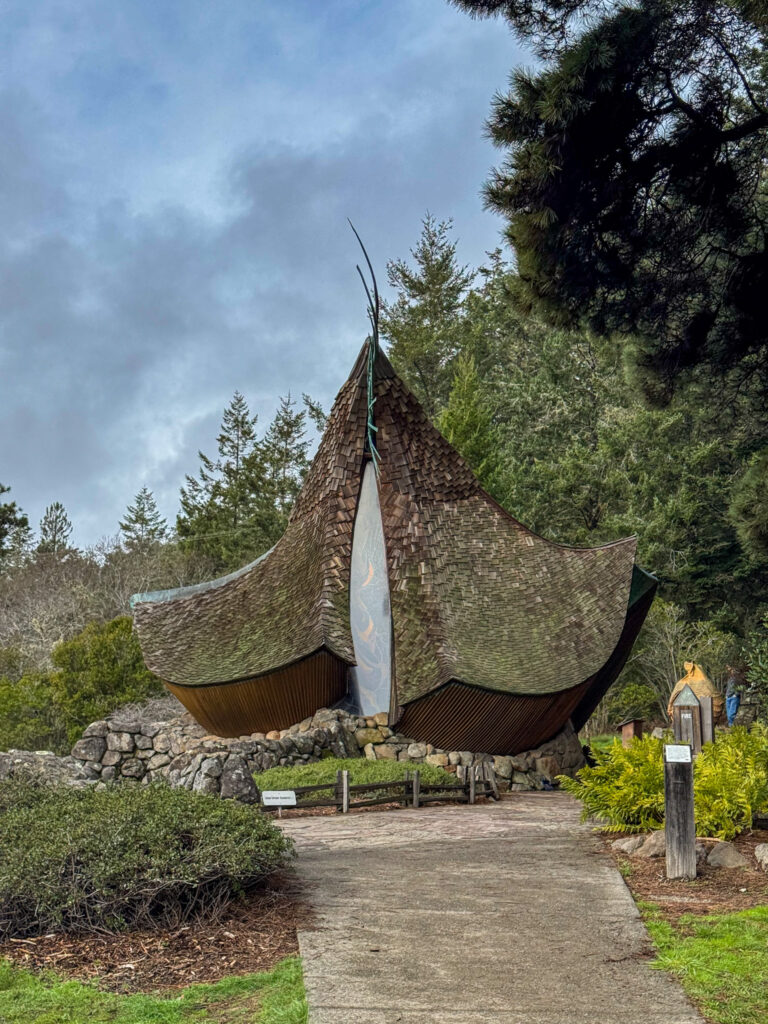
As you continue toward San Francisco, you’ll pass through several scenic coastal areas, including The Sea Ranch, where you can stop to see the unique Sea Ranch Chapel, a small but beautiful piece of architecture that blends into the surrounding landscape.
From here, it’s a final drive into San Francisco, marking the end of one of the most memorable road trips on the West Coast.
🗓 Best Time to Drive Highway 101 (Seattle to San Francisco)
The Highway 101 coastal route can be beautiful year-round, but each season offers a slightly different experience. Your ideal timing depends on whether you prefer the best weather, fewer crowds, or dramatic coastal scenery.
☀️ Summer (June – September)
Summer is generally the most popular time to drive Highway 101.
Weather is usually the most reliable, with warmer temperatures and clearer skies along much of the Oregon and Northern California coastline. Hiking conditions are excellent and most coastal towns are lively during this season.
However, popular stops like Cannon Beach, the Oregon Dunes, and Redwood National and State Parks can get busy, especially on weekends.
Another thing to know is that coastal fog is common in early summer mornings, but it often clears later in the day.
🌿 Spring (April – May)
Spring is a fantastic time to visit if you prefer fewer crowds and vibrant landscapes.
The forests are especially green after winter rains, rivers are flowing strongly, and waterfalls along the Oregon coast look their best.
Temperatures are cooler than summer, and occasional rain showers are possible, but the scenery feels fresh and alive during this season.
🍂 Fall (September – October)
Fall is one of the most underrated seasons for driving Highway 101.
Summer crowds begin to disappear, but the weather often remains comfortable. Many travelers find that early fall offers the perfect balance of good weather and quieter beaches.
Coastal fog and moody skies can also create dramatic views along the cliffs, which makes this season great for photography.
🌧 Winter (November – March)
Winter brings a completely different atmosphere to the coastline.
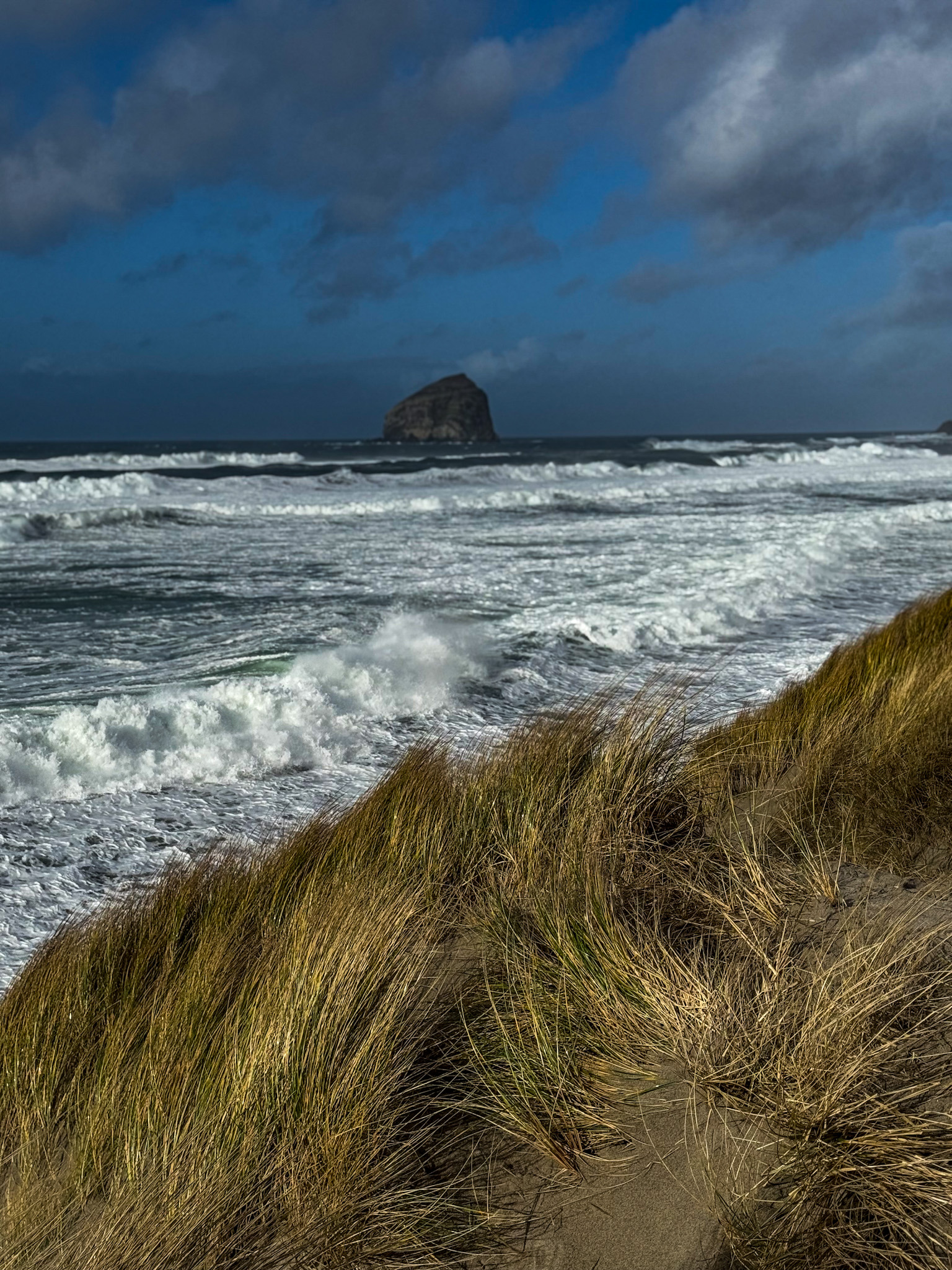
Powerful Pacific storms can create dramatic waves and wild ocean views, which many photographers love. However, rain is common and some hiking trails may become muddy.
Driving conditions are usually still manageable, but it’s important to check weather forecasts and road conditions before starting the trip.
Estimated Cost for a 7–8 Day Road Trip
The total cost of a road trip from Seattle to San Francisco can vary depending on your travel style, but below is a rough estimate for a 7–8 day trip.
These estimates assume you are already traveling with your own vehicle.
Note: This estimate does NOT include flights or car rental costs.
Gas
The drive along U.S. Route 101 is roughly 900–1000 miles.
Assuming average gas prices and a standard vehicle:
Estimated gas cost: $150 – $220
Hotels
Hotel prices vary depending on the season and location.
Average nightly cost along the Oregon and Northern California coast:
$120 – $220 per night
For a 7–8 day trip:
Estimated total: $850 – $1600
Travelers staying in boutique hotels or oceanfront inns may spend more.
Food
Daily food costs depend heavily on your travel style.
Average daily estimate per person:
$40 – $70 per day
For a 7–8 day trip:
Estimated total: $300 – $550
This includes casual restaurants, coffee stops, and groceries.
Park Fees
Some parks along the route may require entrance fees.
For example, visiting Redwood National and State Parks may include parking or park fees depending on the area.
Estimated total park fees:
$20 – $40
Estimated Total Cost (7–8 Days)
Approximate total cost for one person:
$1300 – $2400
This includes:
- Gas
- Hotels
- Food
- Park fees
Again, this estimate does not include flights or car rentals.
Your total cost can be lower if you camp or higher if you stay in luxury hotels.
Seattle to San Francisco FAQ (Highway 101 Route)
Is driving Highway 101 from Seattle to San Francisco worth it?
Yes — Highway 101 is one of the most scenic drives on the West Coast.
The route runs along the Pacific coastline and passes through rugged cliffs, long sandy beaches, coastal towns, and the famous redwood forests of Northern California.
While Interstate 5 is faster, Highway 101 offers a completely different experience with constant ocean views, scenic viewpoints, and memorable stops along the way.
For travelers who want to actually enjoy the journey, Highway 101 is easily the better option.
What are the best stops along Highway 101 between Seattle and San Francisco?
Some of the most memorable stops along Highway 101 include:
• Astoria, Oregon
• Cannon Beach and Haystack Rock
• Heceta Head Lighthouse
• Oregon Dunes National Recreation Area
• Redwood National and State Parks
• Avenue of the Giants
• Mendocino
These locations give you a mix of coastal scenery, hiking opportunities, and small towns that make the drive feel like a true West Coast adventure.
How many miles is Highway 101 from Seattle to San Francisco?
Driving Highway 101 from Seattle to San Francisco is roughly 750–800 miles, depending on the exact coastal route you take.
Because the road follows the natural coastline with curves and scenic viewpoints, the trip takes longer than inland highways.
Most travelers spread the drive across 5 to 7 days so they can explore the Oregon Coast and spend time in the redwood forests.
Can you drive Highway 101 from San Francisco to Seattle instead?
Yes — many travelers drive Highway 101 north from San Francisco to Seattle instead.
Driving north has one small advantage: you’ll often be on the ocean side of the road, which makes it easier to stop at coastal viewpoints.
That said, the scenery is incredible in both directions.
Is Highway 101 difficult to drive?
No, Highway 101 is generally an easy and well-maintained highway.
The biggest difference compared to interstate highways is that the road follows the natural coastline. This means more curves and slower sections, especially along cliffs and through coastal towns.
Most travelers actually prefer the slower pace because it allows more time to enjoy the scenery.
Are gas stations easy to find along Highway 101?
Gas stations are available in most coastal towns along Highway 101, but they can be farther apart in rural areas.
It’s a good idea to refuel whenever you pass through a larger town, especially when driving through Northern California.
Planning ahead helps avoid unnecessary stress during long coastal stretches.
Are the redwood forests along Highway 101?
Yes — one of the best parts of driving Highway 101 through Northern California is passing through the redwood forests.
The road runs near Redwood National and State Parks, where you can hike among some of the tallest trees in the world.
Many travelers also detour to drive the Avenue of the Giants, a famous scenic road surrounded by towering redwood trees.
Can you see wildlife while driving Highway 101?
Yes, wildlife sightings are common along the Pacific Coast.
Depending on the season, travelers may see:
• Gray whales migrating along the Oregon coast
• Sea lions resting on docks and rocks
• Bald eagles near rivers and coastal cliffs
• Roosevelt elk in Prairie Creek Redwoods State Park
Early mornings and sunset are usually the best times to spot wildlife.
What is the most scenic section of Highway 101?
One of the most scenic parts of Highway 101 is the stretch along the Oregon Coast between Cannon Beach and Florence. This area features dramatic cliffs, sea stacks, lighthouses, and endless ocean views.
Another unforgettable section is driving through Northern California’s redwood forests, especially near Redwood National and State Parks.
Do you need reservations for camping or hotels along Highway 101?
Yes — especially during summer.
Popular coastal towns and campgrounds along Highway 101 can fill up quickly between June and September. If you’re planning to camp or stay in small coastal towns, it’s best to book accommodations in advance.
Outside of peak season, it’s usually easier to find last-minute places to stay.
Is Highway 101 the same as the Pacific Coast Highway?
Not exactly.
The Pacific Coast Highway (PCH) usually refers to California Highway 1, which runs closer to the ocean in certain areas.
However, many travelers combine Highway 101 and Highway 1 to complete the full coastal journey between Seattle and San Francisco.
Both routes offer spectacular coastal scenery.