California Road Trip Itinerary for 10 Days
I would like to mention that these are the locations I have visited while traveling in California. For this itinerary, I want to focus not only on the cities but more importantly on the nature of California. There are a lot of places to visit and so many things to do, but this 10-day California road trip is made for first-time visitors who want to see the classic highlights without rushing too much.
Our story starts in Los Angeles and ends in Los Angeles. This route includes beaches, the Pacific Coast Highway, Big Sur, San Francisco, Yosemite National Park, Sequoia National Park, and a lot of beautiful stops in between.
This is not the fastest California route. If you want fast, you can take I-5. But if this is your first time in California, drive the coast at least once. Why? Because we want to enjoy our life dude.
10-Day California Road Trip Map
10-Day California Road Trip Overview
Route: Los Angeles → Santa Barbara → Morro Bay → Big Sur → Carmel-by-the-Sea → San Francisco → Yosemite National Park → Sequoia National Park → Los Angeles
Best for: First-time visitors who want a mix of famous cities, beaches, coast views, mountains, waterfalls, and giant trees.
Total driving: Around 1,250–1,450 miles depending on detours, hotel locations, road closures, and national park access.
Best time to go: May, June, September, or October. Spring and early summer are great for Yosemite waterfalls. September and October are usually better for coastal weather and fewer summer crowds.
Important note: Before you leave, always check Highway 1, Yosemite, and Sequoia road conditions. California roads can change because of landslides, snow, wildfire smoke, construction, or seasonal closures.
Content table
- 🚘 Days 1–2: Los Angeles
- 🌊 Days 3–4: Drive from Los Angeles to San Francisco on the Coast
- 🌉 Days 5–6: San Francisco
- 🏞️ Days 7–8: Yosemite National Park
- 🌲 Day 9: Sequoia National Park
- 🚗 Day 10: Drive Back to Los Angeles
- 🚐 Car vs RV: Which Is Better?
- 🌤 Best Time to Do This California Road Trip
- ⏱️ Total Driving Time
- 🎒 What to Pack
- 🚫 Biggest Mistakes to Avoid on a California Road Trip
- ❓ FAQ: California 10-Day Road Trip
Why I built this guide
I created this guide because California is huge, and planning a first road trip here can feel overwhelming. I wanted to build a realistic 10-day route that includes cities, beaches, the Pacific Coast Highway, national parks, and scenic stops without trying to do too much.
Days 1–2: Los Angeles
I would say you should spend 2 days in Los Angeles. LA is huge, so do not try to see everything. For a first trip, focus on the classic places, the beach, and one or two viewpoints.
Must-see places in Los Angeles
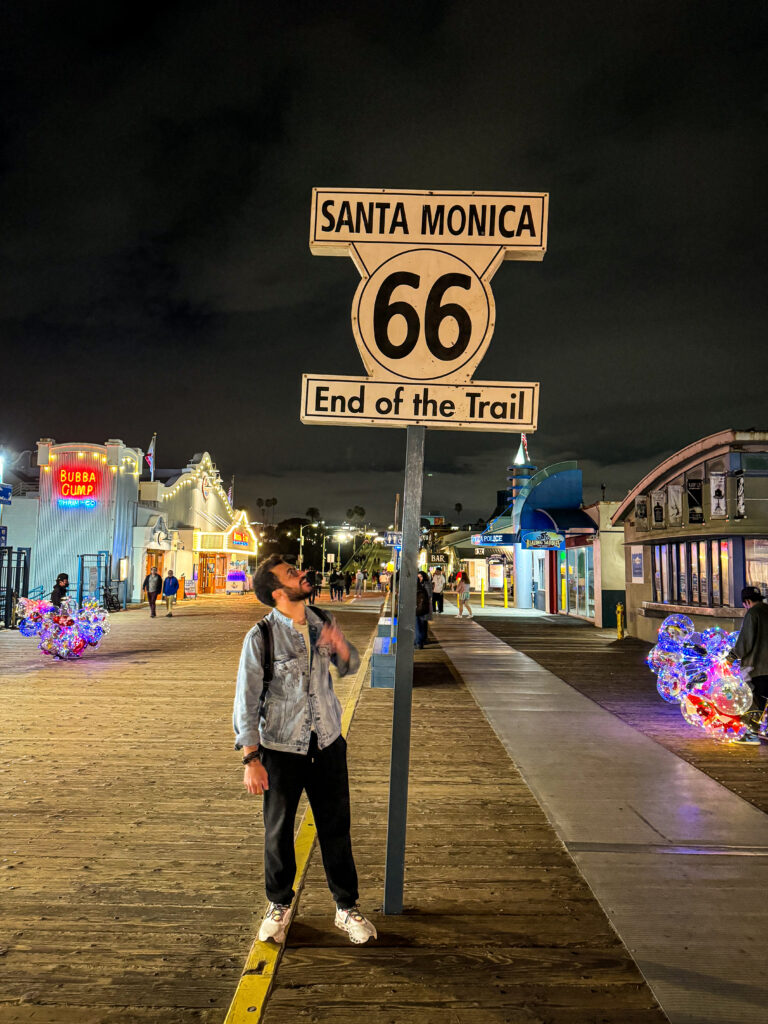
Santa Monica Pier
Santa Monica Pier is one of the most classic first stops in Los Angeles. You get the beach, the ocean, the pier, street performers, restaurants, and sunset views. It is touristy, but for a first-time California trip, it is worth visiting.
Venice Beach
Venice Beach has a totally different vibe from Santa Monica. You can walk the boardwalk, see the skate park, visit Muscle Beach, and walk around the Venice Canals if you want something quieter.
Griffith Observatory and Hollywood Sign View
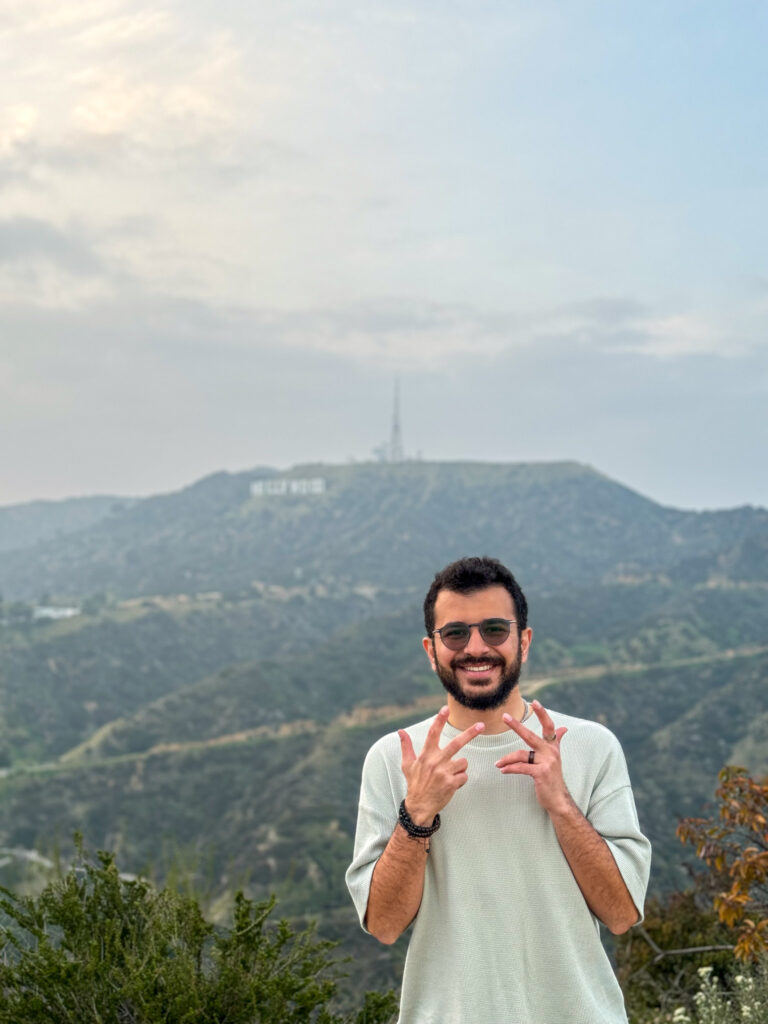
Griffith Observatory is one of the best free things to do in Los Angeles. From here, you can see the Los Angeles skyline and the Hollywood Sign. It is especially beautiful around sunset, but it can get crowded.
Hollywood Walk of Fame
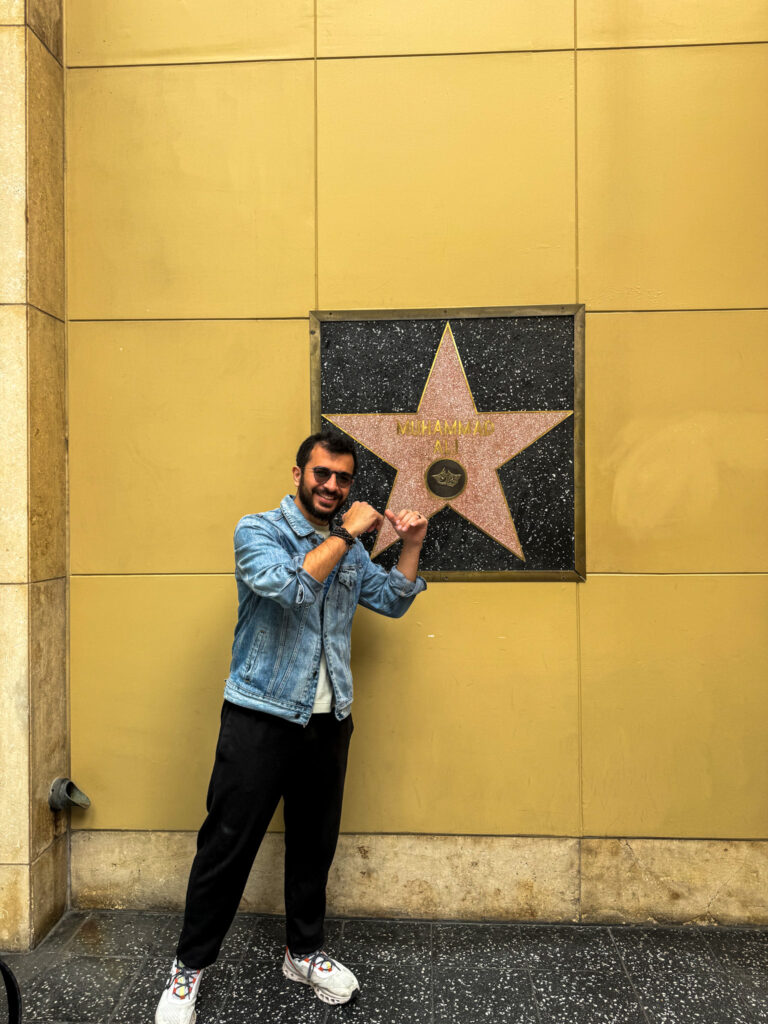
The Hollywood Walk of Fame is very touristy, busy, and not the cleanest place in LA, but it is still one of those iconic stops people want to see on their first visit. I would not spend too much time here. Go, take a quick walk, take some photos, and continue.
Optional places to add in Los Angeles
Malibu
If you want a prettier beach escape, add Malibu or El Matador State Beach. It is a little outside the main city, but the coastline is beautiful.
The Getty Center
The Getty Center is great if you like architecture, gardens, art, and city views. It is also a nice break from the beach and Hollywood areas.
Downtown LA
If you have extra time, you can visit Grand Central Market, Walt Disney Concert Hall, The Broad, or Arts District.
Suggested Los Angeles plan
Day 1: Santa Monica Pier, Venice Beach, Venice Canals, and sunset near the ocean.
Day 2: Griffith Observatory, Hollywood Sign viewpoint, Hollywood Walk of Fame, and dinner in Koreatown, West Hollywood, or Silver Lake.
What to be careful about in Los Angeles
Do not leave luggage, backpacks, cameras, or anything visible inside your car. Traffic is real in Los Angeles, and parking can be expensive. Also, do not plan too many places in one day because driving across LA can take much longer than it looks on the map.
Days 3–4: Drive from Los Angeles to San Francisco on the Coast
We are not going to drive from I-5. We are going to drive from the coast. Why? Because we want to enjoy our life dude. That is why.
This part of the trip is one of the most beautiful drives in California. You should give it 2 days. Yes, you can technically drive from Los Angeles to San Francisco in one long day, but if you do that, you will miss the whole point of the Pacific Coast Highway.
Best overnight stops
Good places to sleep during this section are:
San Luis Obispo
Morro Bay
Cambria
Monterey
Carmel-by-the-Sea
For a relaxed plan, I would sleep around Morro Bay or Cambria on Day 3, then continue through Big Sur, Carmel, Monterey, and arrive in San Francisco on Day 4.
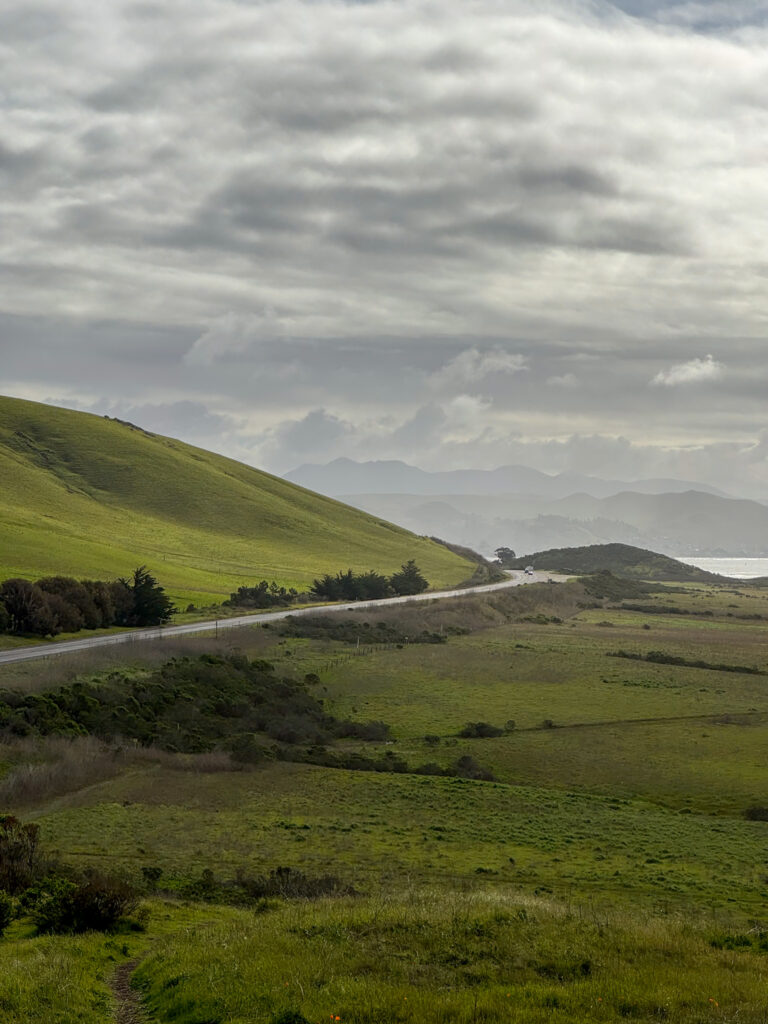
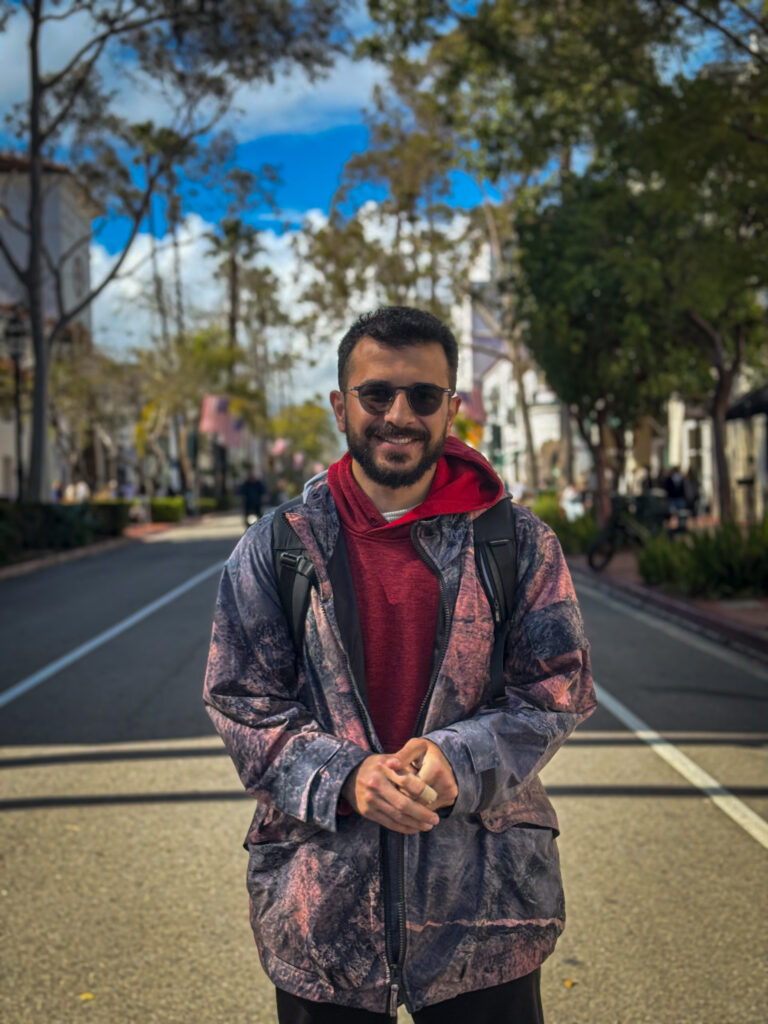
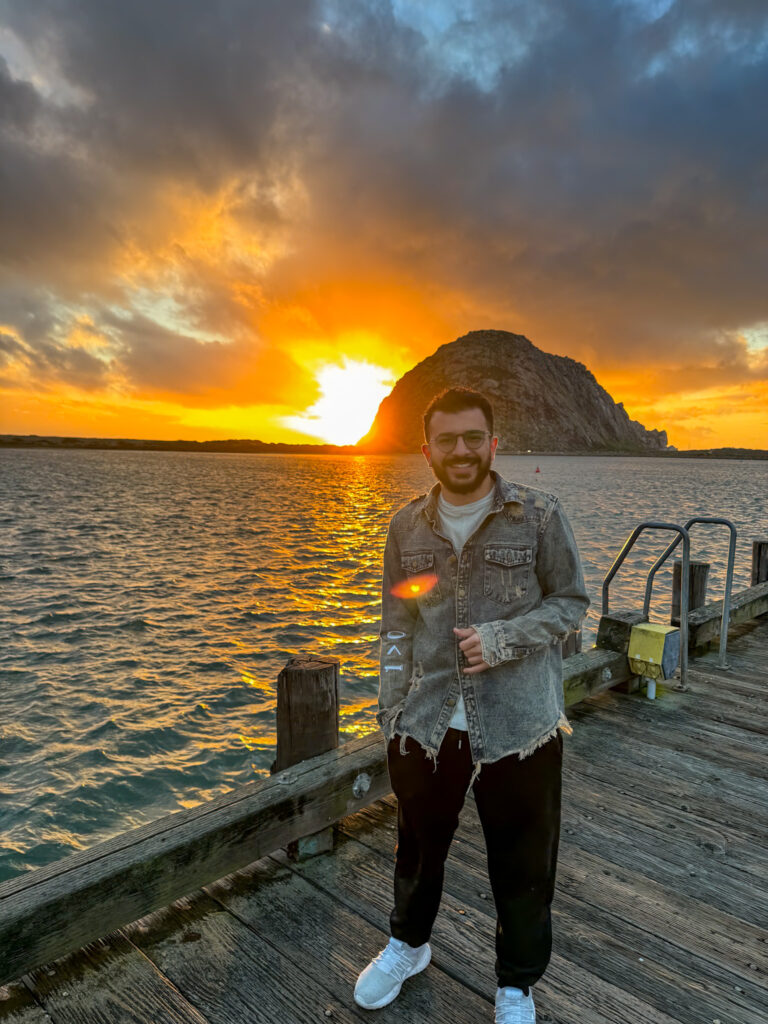
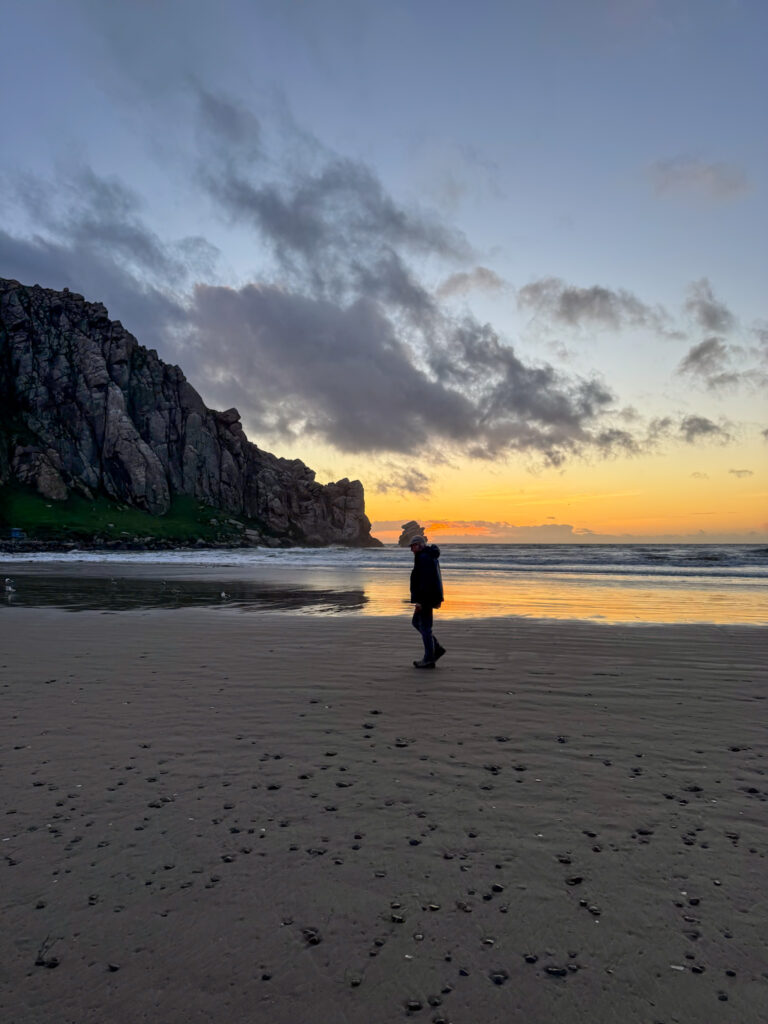
Stops between Los Angeles and San Francisco
Santa Barbara
Santa Barbara is a beautiful coastal city with Spanish-style buildings, palm trees, beaches, shopping streets, and a relaxed atmosphere.
Things to do in Santa Barbara:
Walk on downtown Santa Barbara, especially State Street.
Stop in the shops and coffee shops.
Walk on Stearns Wharf, the Santa Barbara pier.
Enjoy the beach area if you have time.
Lokum Cafe
Lokum Cafe is between downtown Santa Barbara and the pier. I really liked this coffee shop, so I would like to recommend it. It is a good stop while walking between State Street and the waterfront.
Solvang
Solvang is an optional stop. It is a Danish-style town with bakeries, cute streets, windmills, and small shops. If you like unique towns and quick photo stops, it is worth adding.
Morro Rock
Morro Rock is a beautiful and easy coastal stop. You can walk near the beach, take photos, and sometimes see sea otters in the water nearby. It is a great place to slow down after driving.
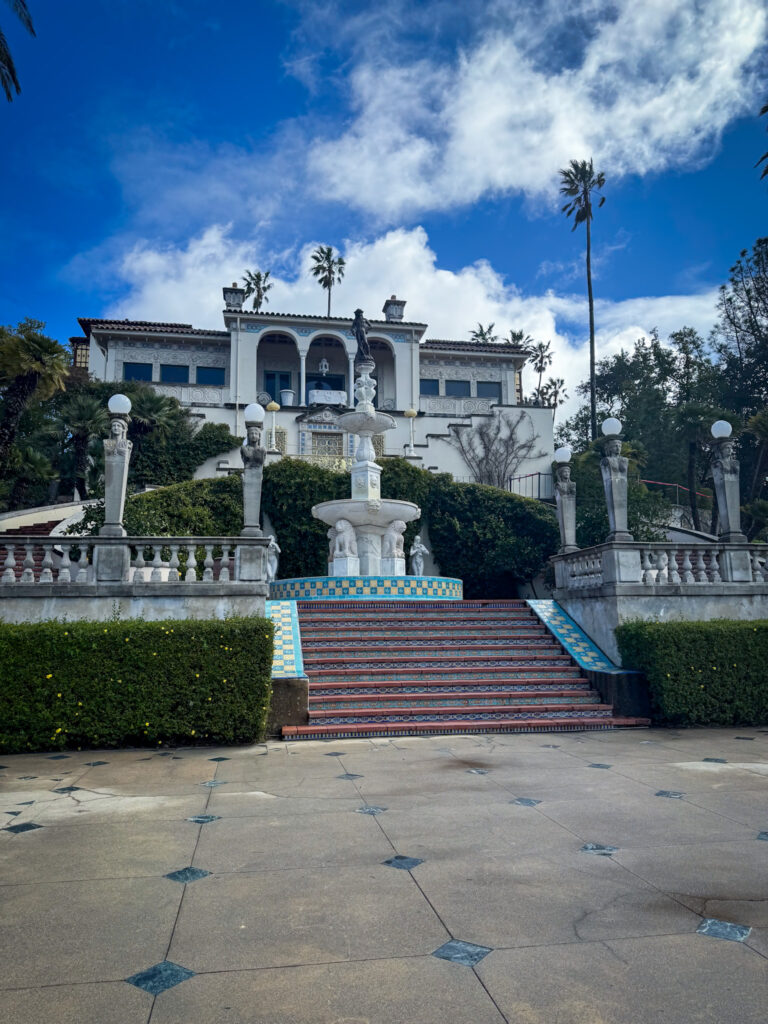
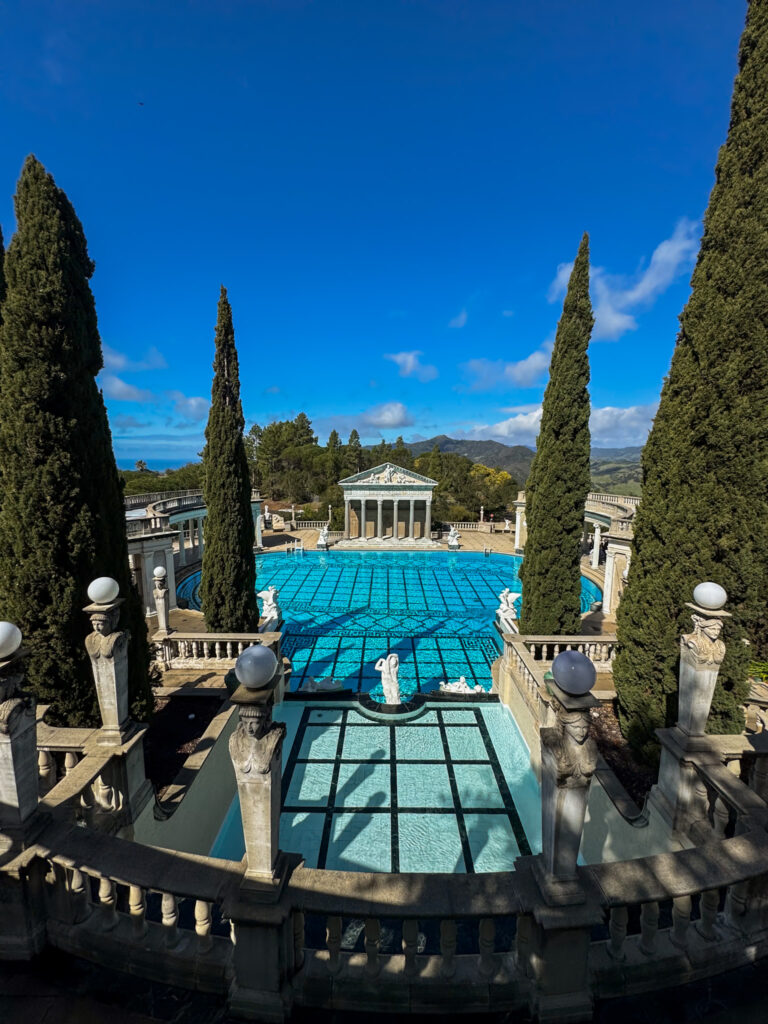
Hearst Castle
Hearst Castle is not a must for everyone, but I personally think it is a cool place. If you like architecture, history, unusual mansions, gardens, and ocean views, it is worth visiting. You usually need to book a tour.
Elephant Seal Vista Point
This is one of the stops you should add if you are driving near San Simeon. You can see elephant seals right from the viewing area, and it does not take much time. It is easy, free, and memorable.
Ragged Point
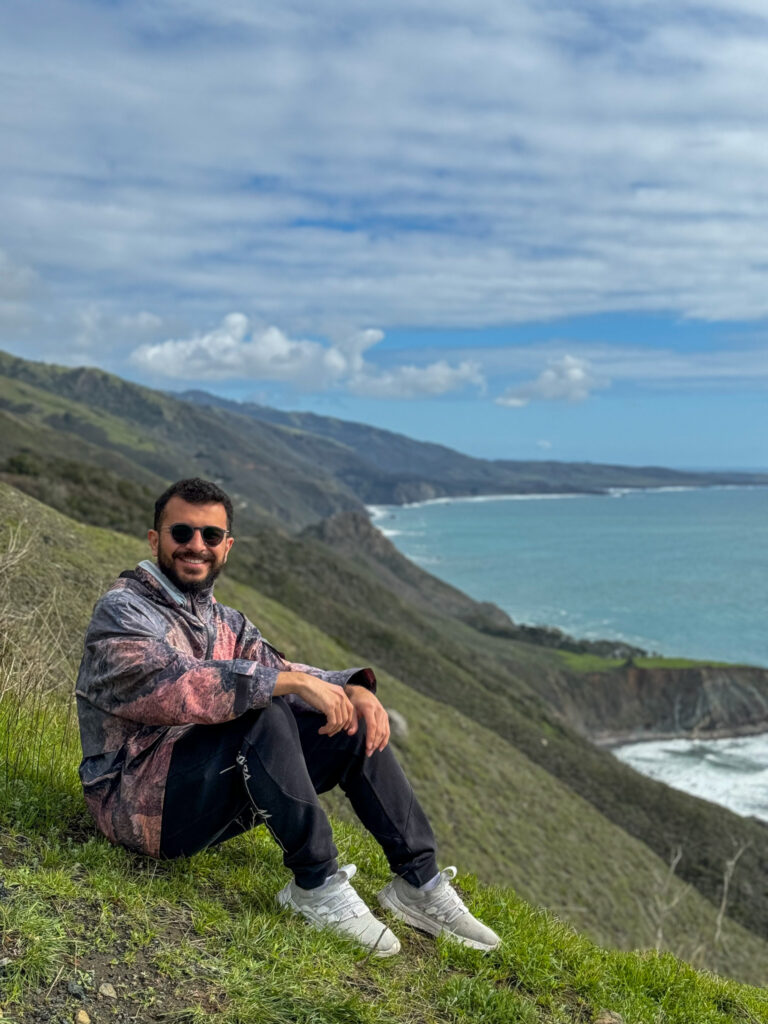
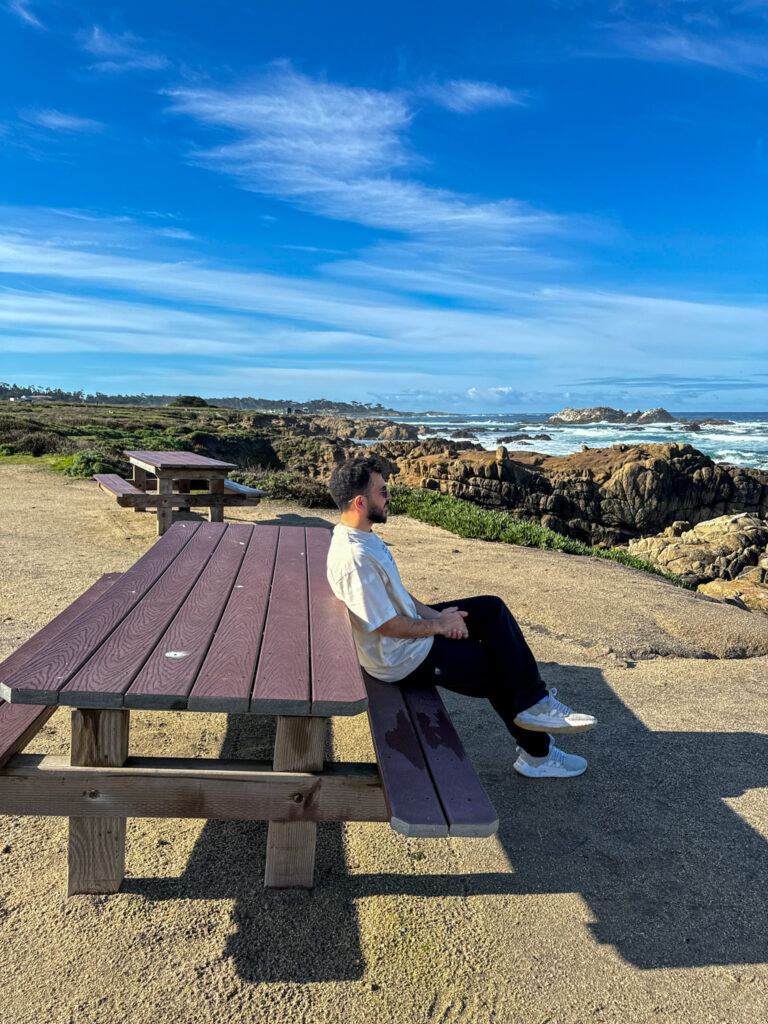
Ragged Point is a beautiful cliffside stop before entering the Big Sur area. It gives you that dramatic California coast feeling with ocean cliffs and wide views.
Bixby Creek Bridge
Bixby Creek Bridge is one of the most famous photo stops on Highway 1. It is often called Big Creek Bridge by mistake, but the famous one is Bixby Creek Bridge. Try to stop safely at the viewpoint and do not block the road.
McWay Falls / McWay Beach Viewpoint
McWay Falls is one of the most beautiful views in Big Sur. The waterfall drops near the beach, and the color of the water is amazing. You cannot go down to the beach, but the viewpoint is worth it.
Big Sur
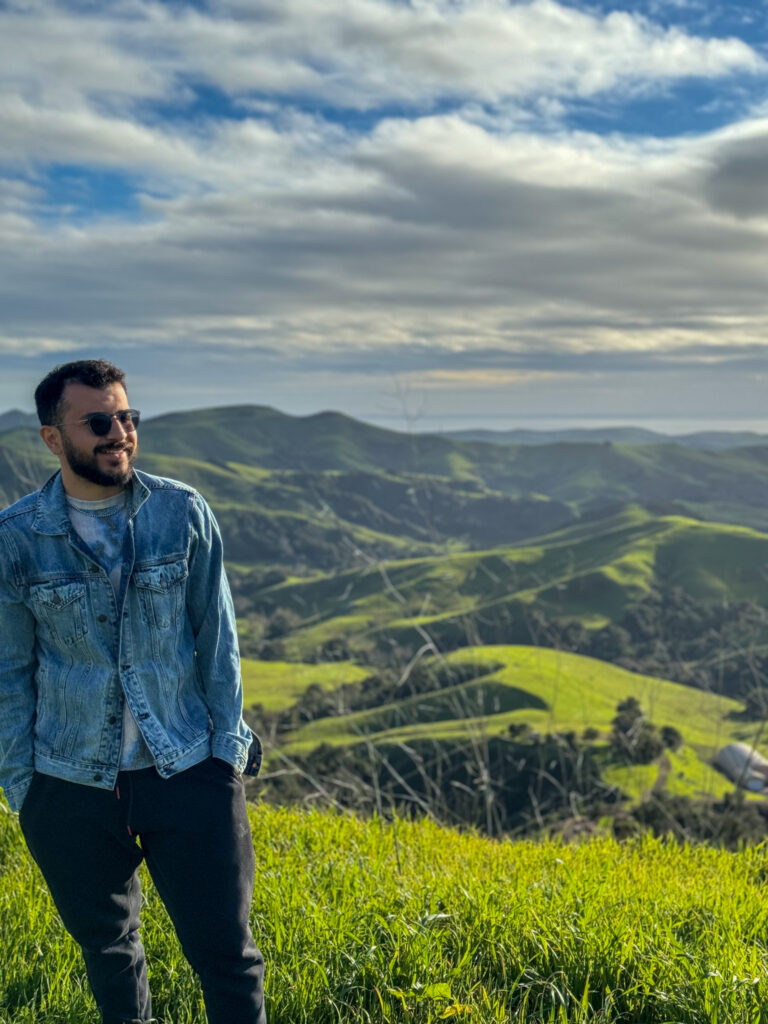
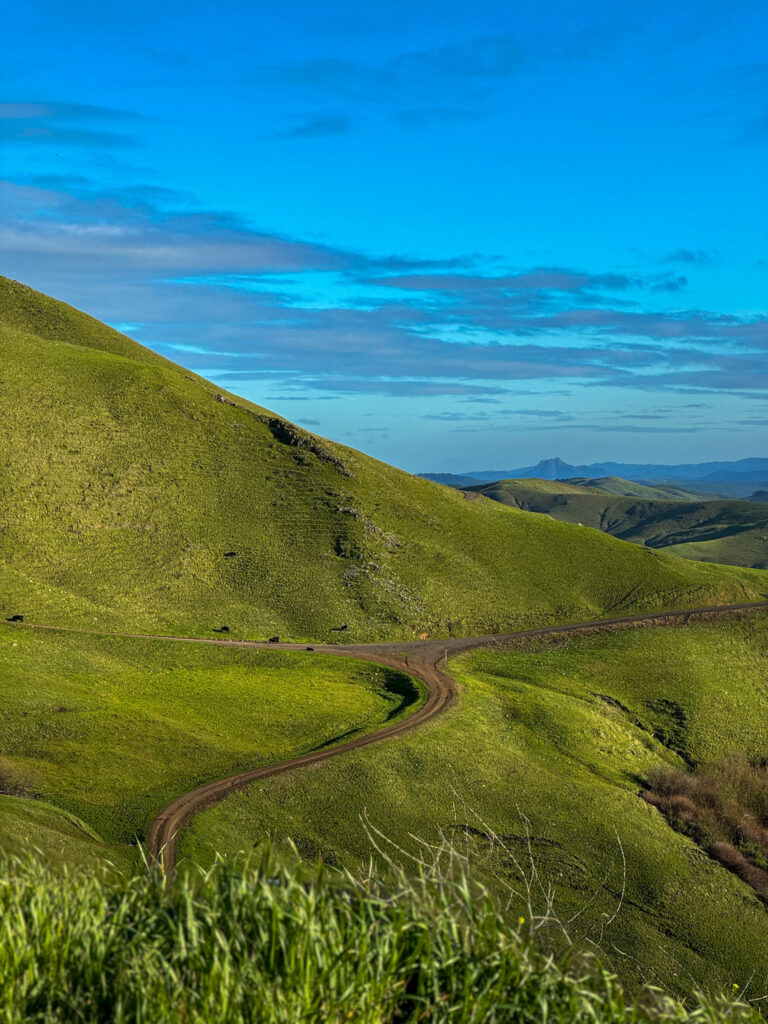
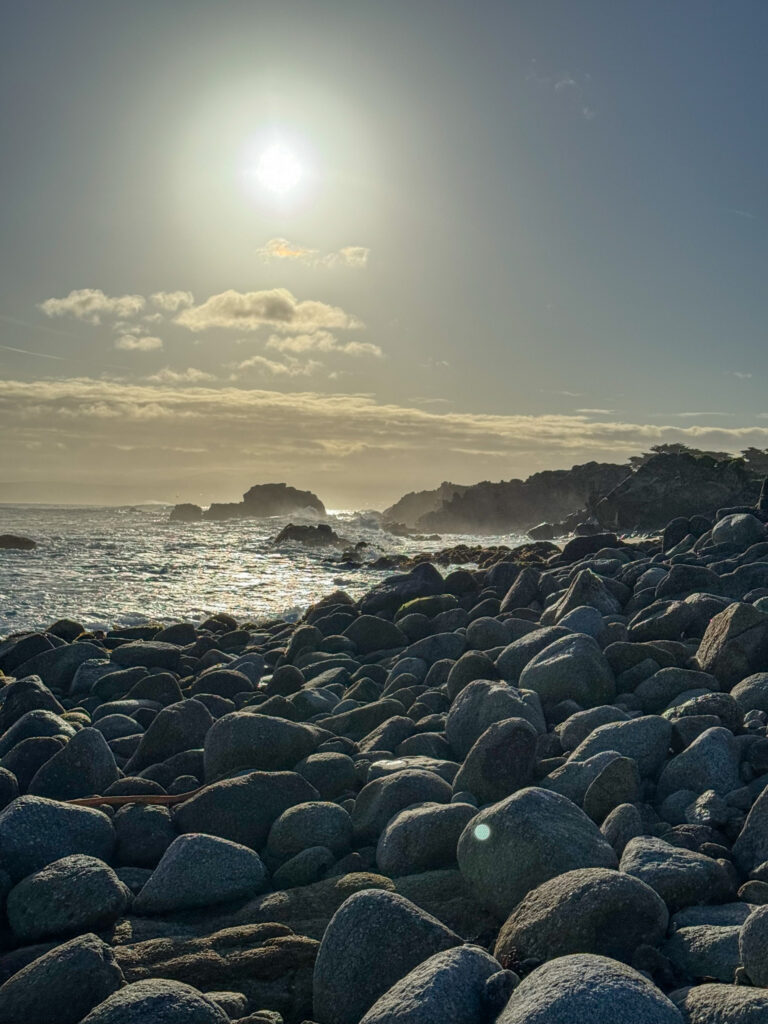
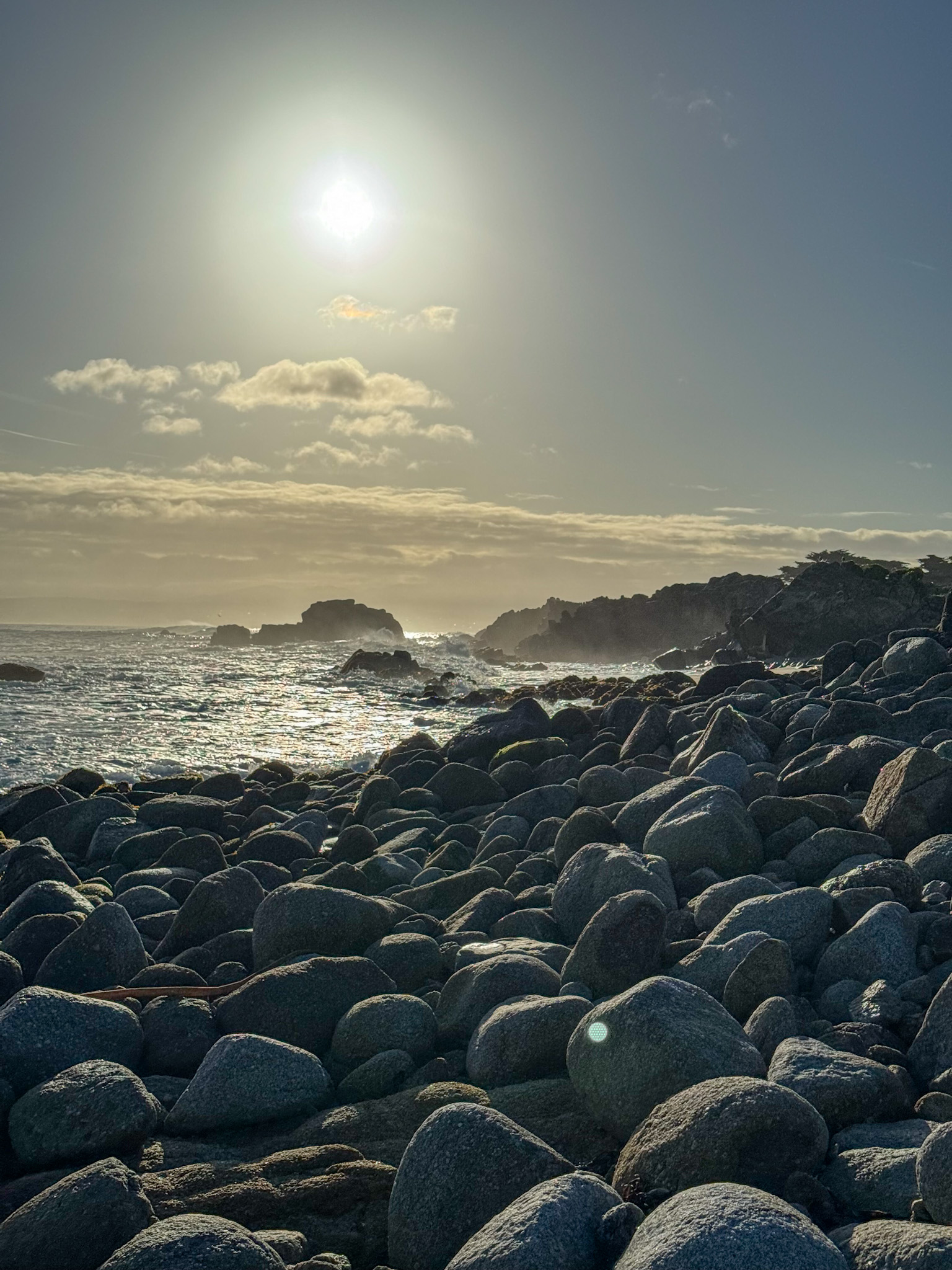
Big Sur is not just one stop. It is a whole coastal area with cliffs, ocean views, forests, bridges, and dramatic scenery. Drive slowly, use pullouts, and enjoy the views.
Pfeiffer Beach
Pfeiffer Beach is optional but beautiful. It is famous for purple sand and the rock arch in the ocean. The road to the beach is narrow, so it is not ideal for large RVs.
Carmel-by-the-Sea
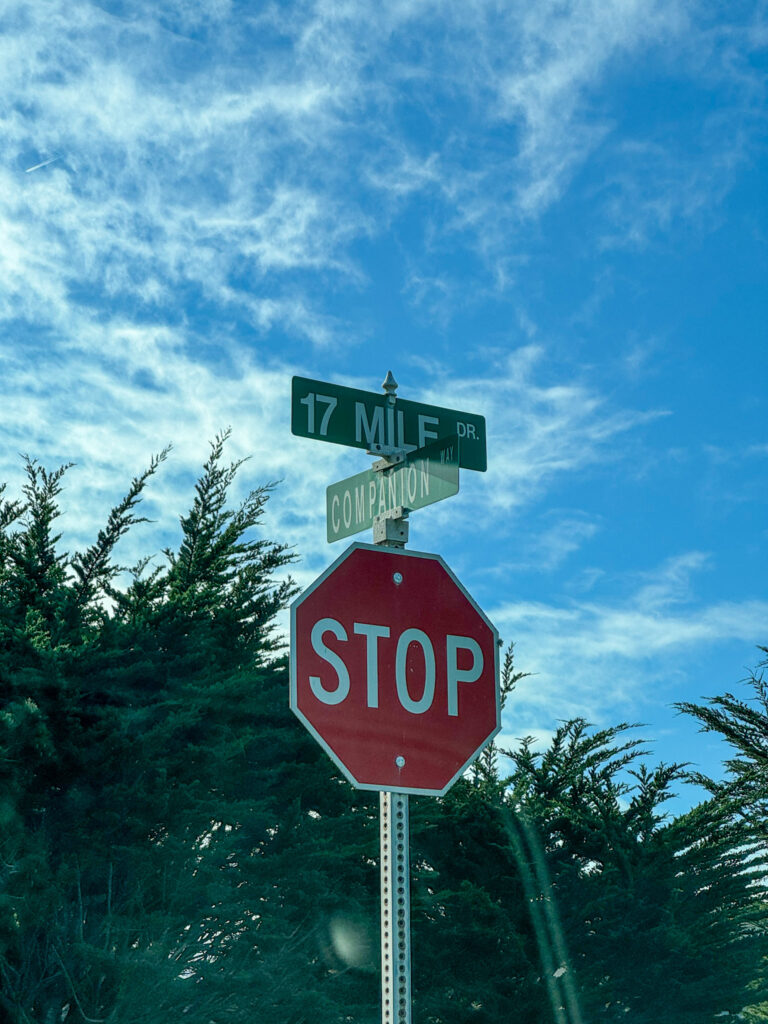
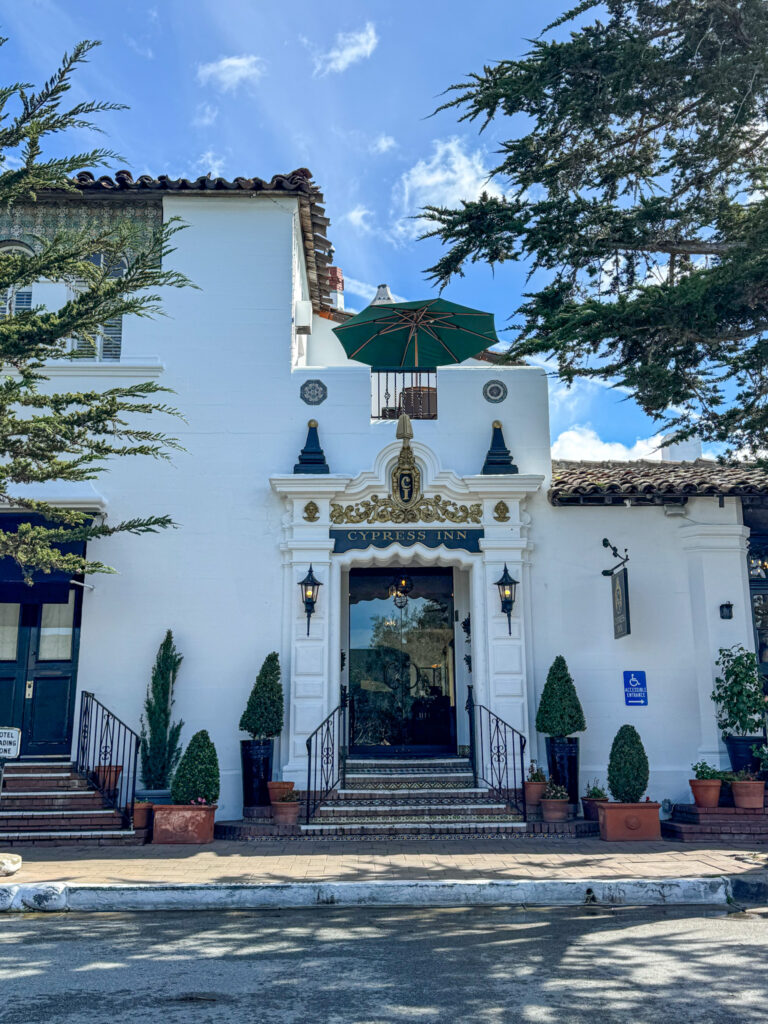
Carmel-by-the-Sea is one of the cutest towns on the California coast. It has beautiful streets, small shops, galleries, cafes, and a lovely beach. It is a perfect stop before going to San Francisco.
Monterey
Monterey is optional but worth adding if you have time. You can visit Cannery Row, Old Fisherman’s Wharf, or Monterey Bay Aquarium. If you are traveling with family, Monterey Aquarium can be one of the best stops on the route.
Suggested coastal drive plan
Day 3: Leave Los Angeles, stop in Santa Barbara, visit Lokum Cafe, maybe visit Solvang, then continue to Morro Bay or Cambria for the night.
Day 4: Visit Morro Rock, Hearst Castle if you booked it, Elephant Seal Vista Point, Ragged Point, Bixby Creek Bridge, McWay Falls, Big Sur, Carmel-by-the-Sea, then drive to San Francisco.
What to be careful about on Highway 1
Do not stop in the middle of the road for photos. Use official pullouts.
Do not underestimate driving time. The road is slow, curvy, and full of places where you will want to stop.
Check Highway 1 road conditions before you go. Landslides and closures can happen.
Bring snacks, water, and fuel. Some areas have limited services.
Do not drive tired, especially around Big Sur. The curves, cliffs, fog, and narrow roads require attention.
Days 5–6: San Francisco
San Francisco is a big city, and every corner has something different. For 2 days, I would focus on places that feel unique to San Francisco. You do not need to see everything, but you should experience the bridge, hills, cable cars, bay views, and some classic neighborhoods.
Must-see places in San Francisco
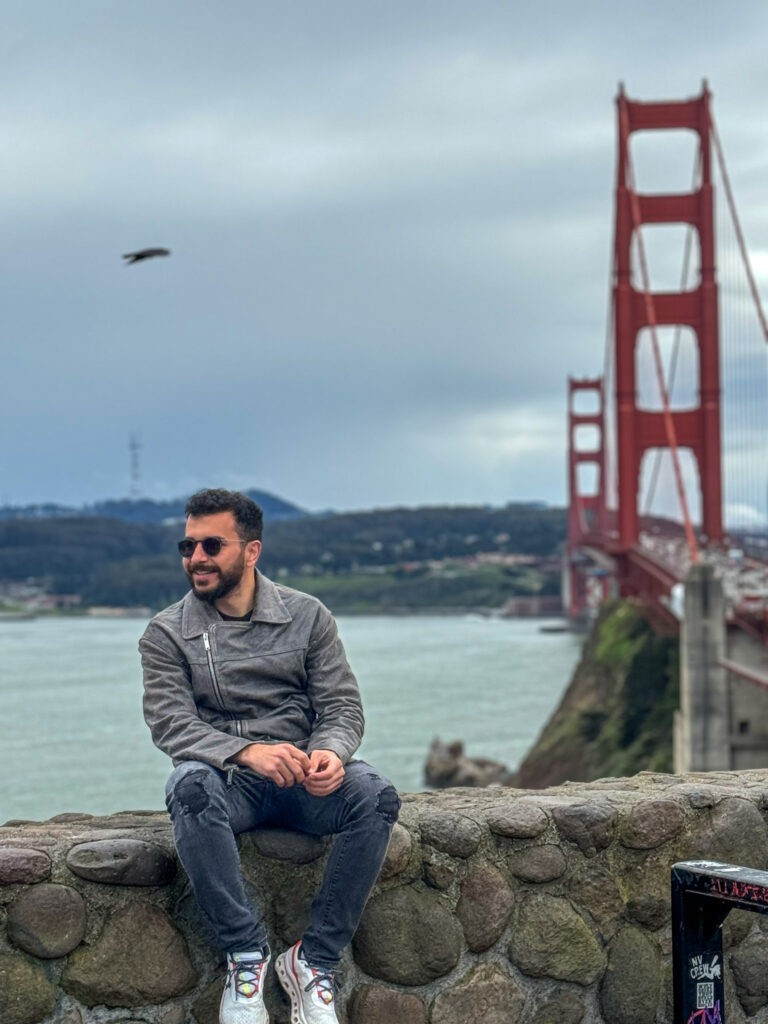
Golden Gate Bridge
Golden Gate Bridge is the main icon of San Francisco. You can walk part of the bridge or see it from viewpoints like Battery Spencer, Crissy Field, Fort Point, or Baker Beach.
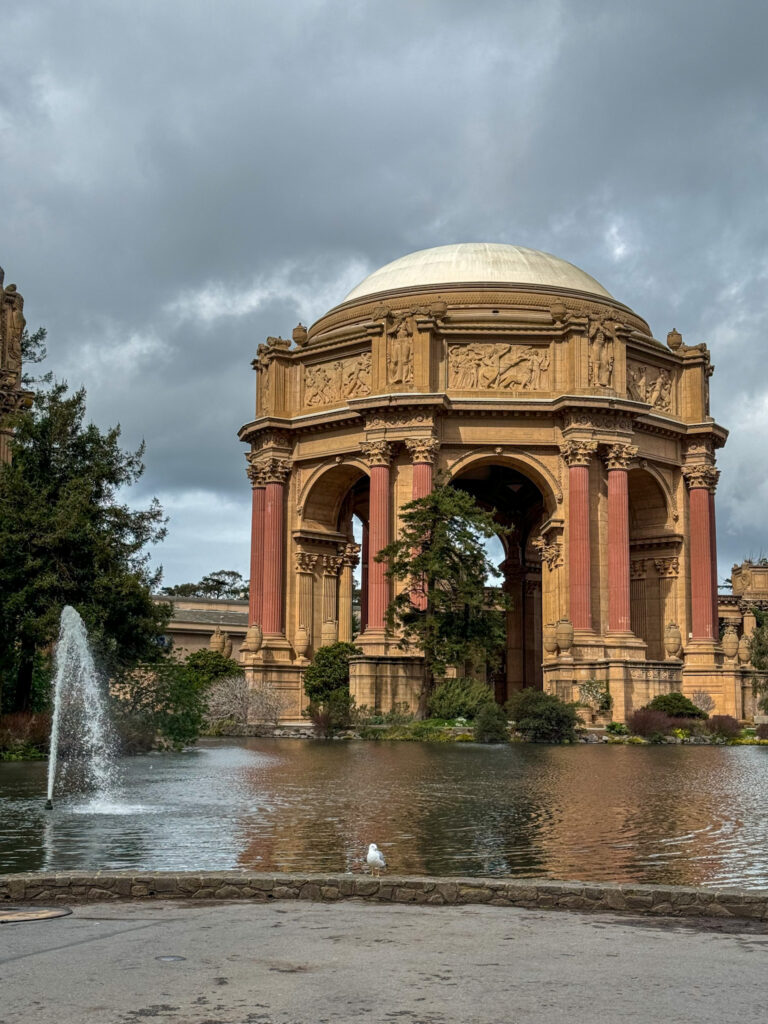
Palace of Fine Arts
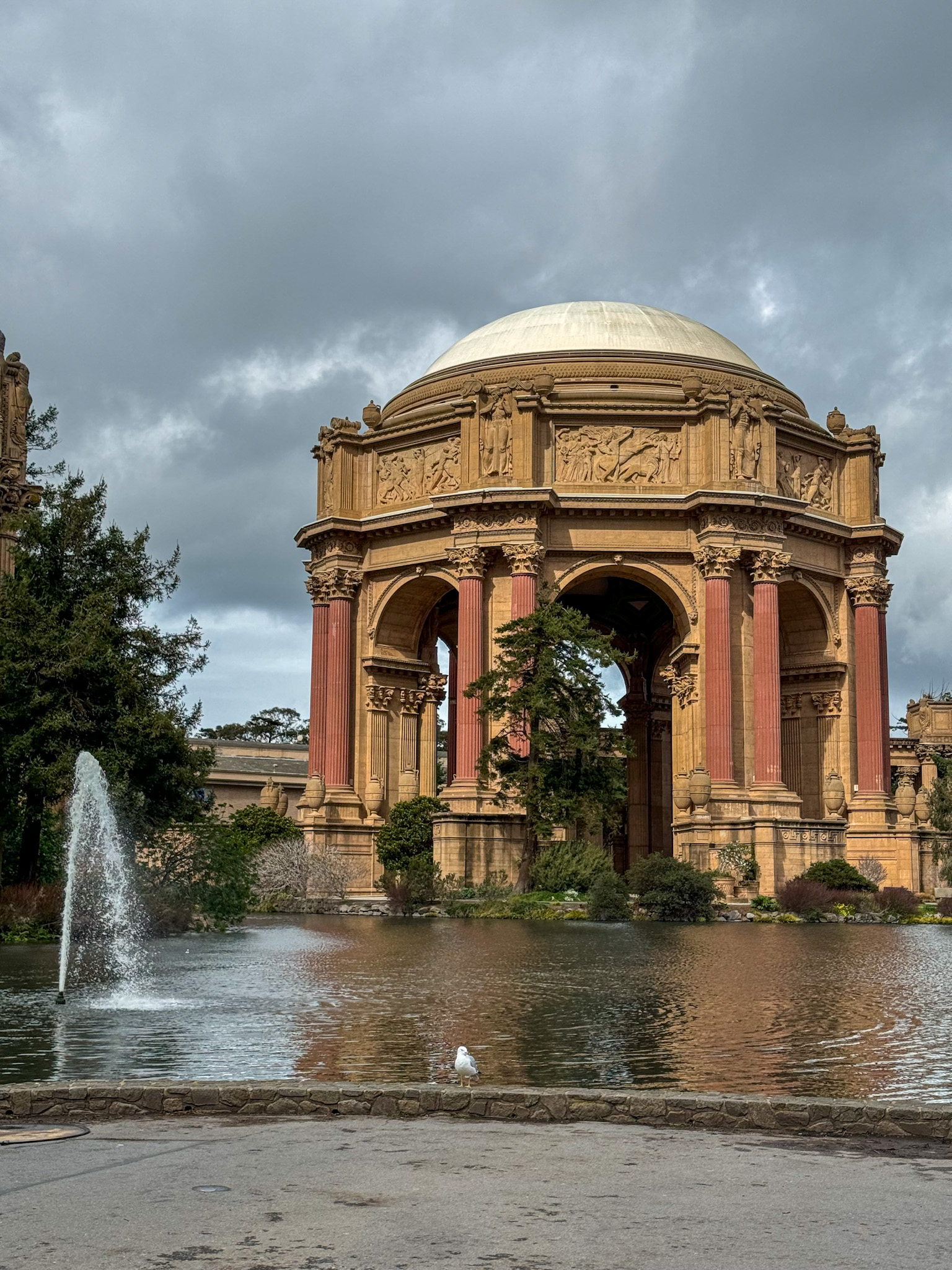
The Palace of Fine Arts is beautiful and easy to visit. It is a great place for photos, walking, and relaxing after seeing the bridge.
Powell/Mason Cable Car Turnaround
Cable cars are one of the most unique things in San Francisco. If the line is not too long, ride one. If the line is crazy, at least visit the turnaround and watch the cable cars.
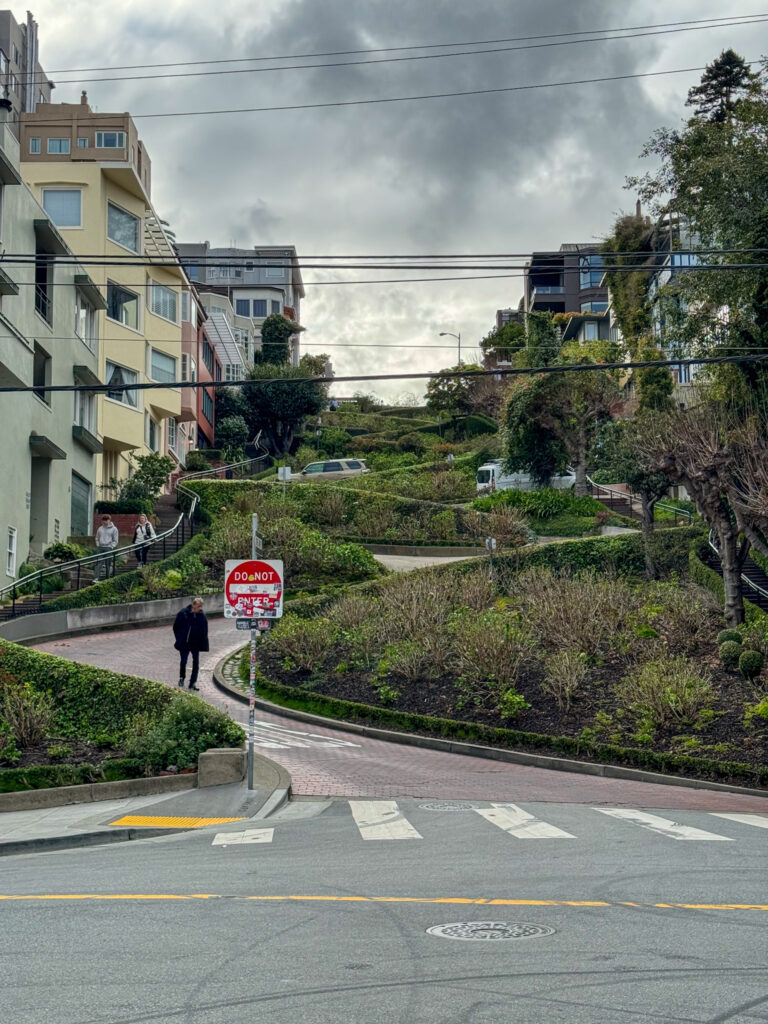
Lombard Street
Lombard Street is the famous crooked street. It is a quick stop, not a full activity, but it is worth seeing if you are nearby.
16th Avenue Tiled Steps
The 16th Avenue Tiled Steps are colorful and beautiful. It feels more local than some of the tourist areas, and if you keep walking up, you can get nice views.
Twin Peaks
Twin Peaks is one of the best viewpoints in San Francisco. If the fog is not too strong, go near sunset for amazing city views.
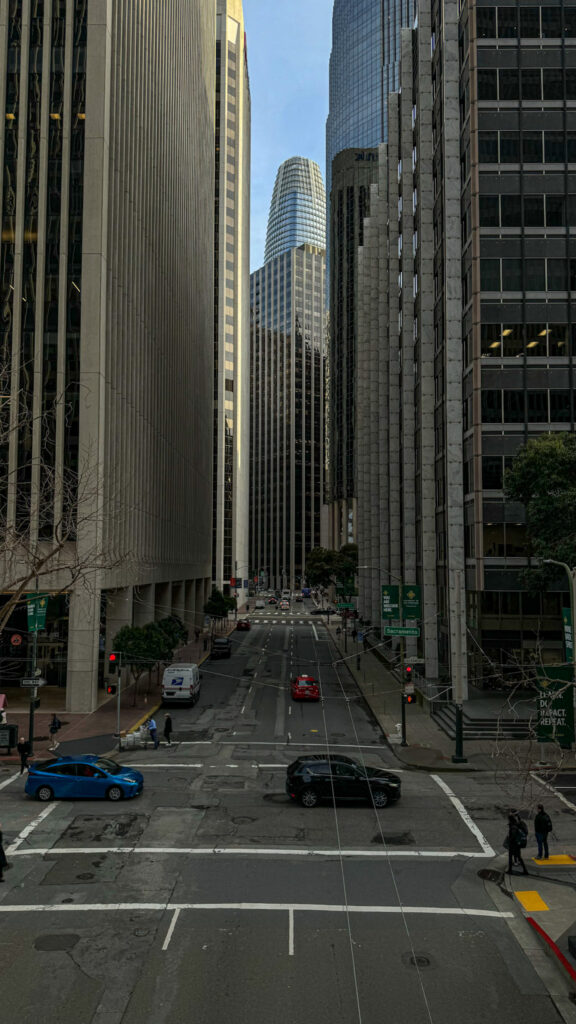
Other places to add in San Francisco
Ferry Building
The Ferry Building is a great food stop. You can walk along the Embarcadero, eat something, drink coffee, and enjoy the bay views.
Alcatraz Island
Alcatraz is worth adding if tickets are available and you like history. Book ahead because tours can sell out.
Painted Ladies / Alamo Square
The Painted Ladies are the famous colorful Victorian houses with the skyline behind them. It is a quick but classic stop.
Golden Gate Park
Golden Gate Park is huge. You can visit gardens, museums, lakes, or just walk around. It is a good option if you want a slower half day.
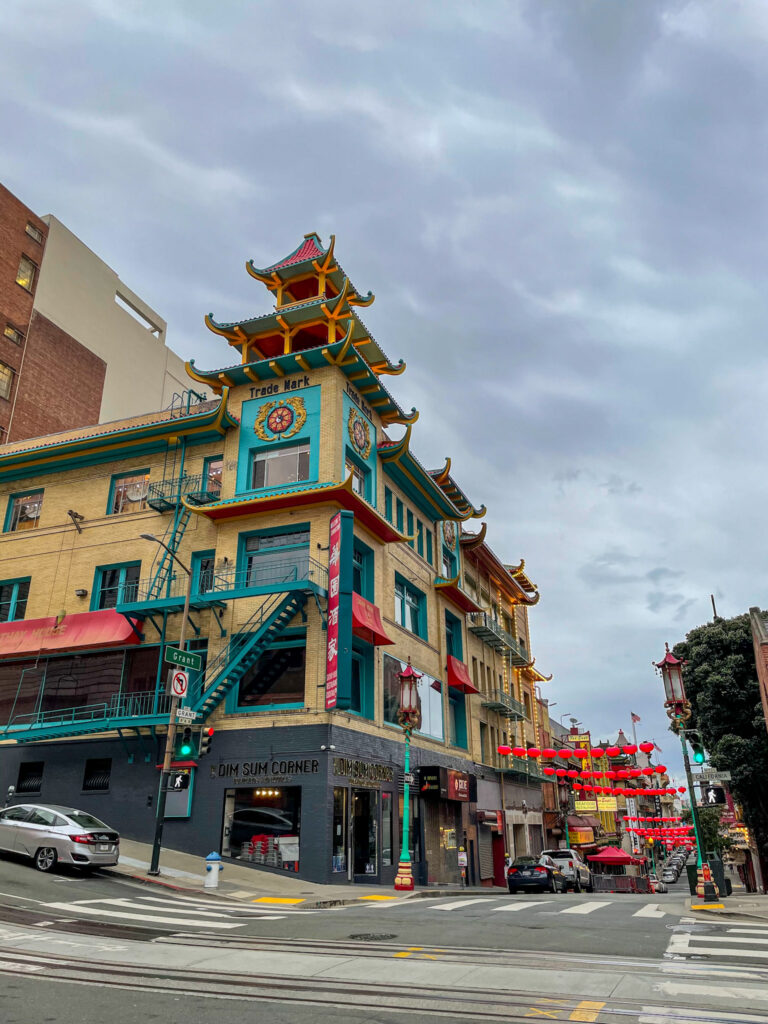
Chinatown
San Francisco Chinatown is one of the oldest and most famous Chinatowns in the United States. It is great for food, walking, and a different city atmosphere.
Suggested San Francisco plan
Day 5: Golden Gate Bridge, Palace of Fine Arts, Crissy Field, Fisherman’s Wharf or Ferry Building, and a cable car ride.
Day 6: Alcatraz or Golden Gate Park, Lombard Street, 16th Avenue Tiled Steps, Painted Ladies, and Twin Peaks for sunset.
What to be careful about in San Francisco
Do not leave anything visible inside your car. This is very important. Not even a jacket, backpack, suitcase, camera bag, or shopping bag.
Parking can be expensive and stressful. If possible, park at your hotel and walk, use public transportation, or use rideshare.
San Francisco weather changes fast. Bring a jacket even in summer.
Days 7–8: Yosemite National Park
Yosemite is one of the places you need to visit while you are in California. This is one of the biggest nature moments of the trip. The cliffs, waterfalls, meadows, and views are incredible.
If you can only add extra time to one place on this itinerary, I would add it to Yosemite.
Planning Your Yosemite Trip?
If you want more detailed Yosemite information, these guides will help:
👉 Yosemite National Park Guide
👉 Yosemite Itinerary (1–3 Days)
👉 Best Hikes in Yosemite National Park
👉 Best Viewpoints in Yosemite
👉 Yosemite Camping Reservations (2026)
Must-see places in Yosemite
Tunnel View
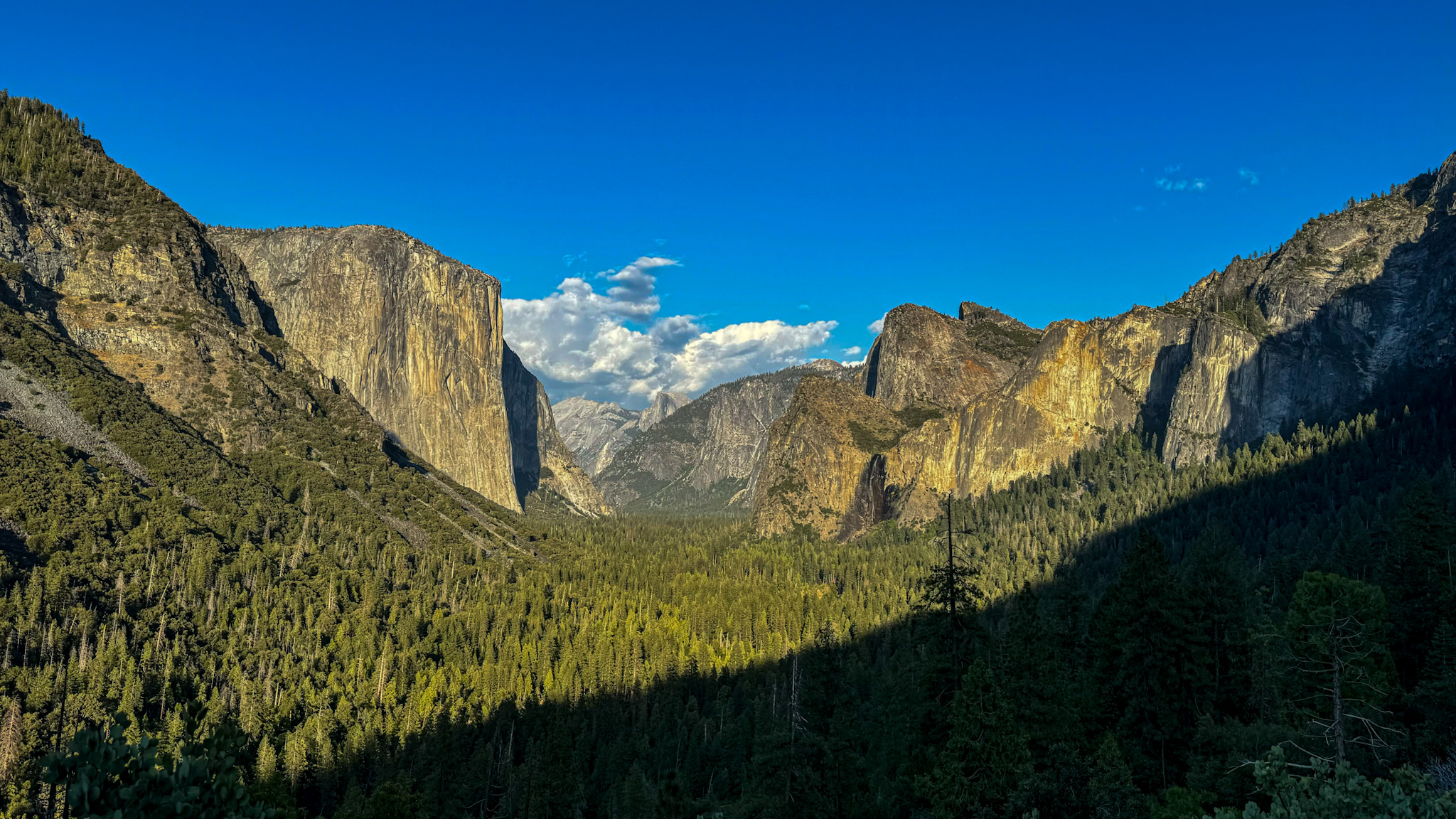
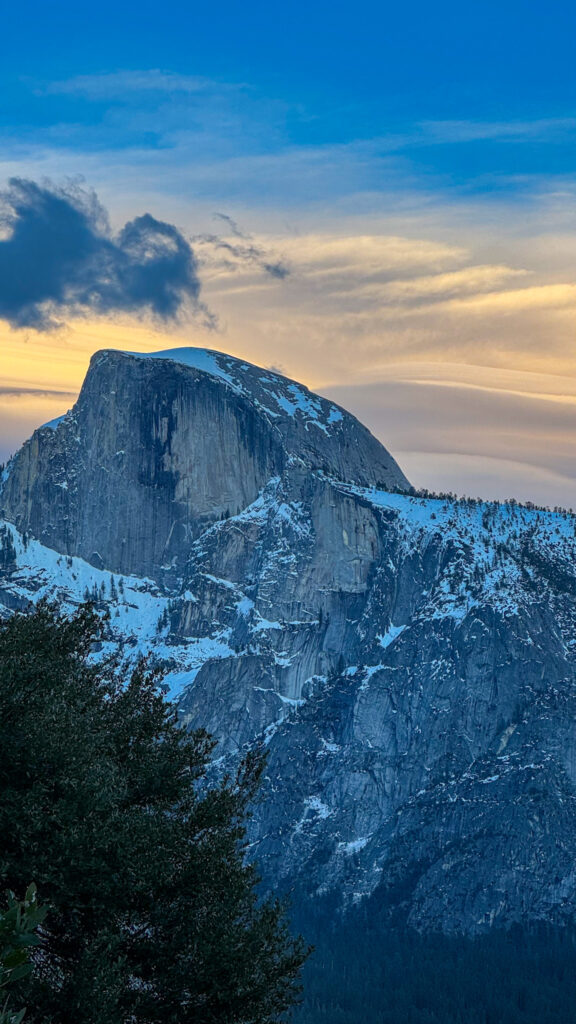
Tunnel View is the classic first view of Yosemite Valley. You can see El Capitan, Half Dome, Bridalveil Fall, and the valley. Do not skip this stop.
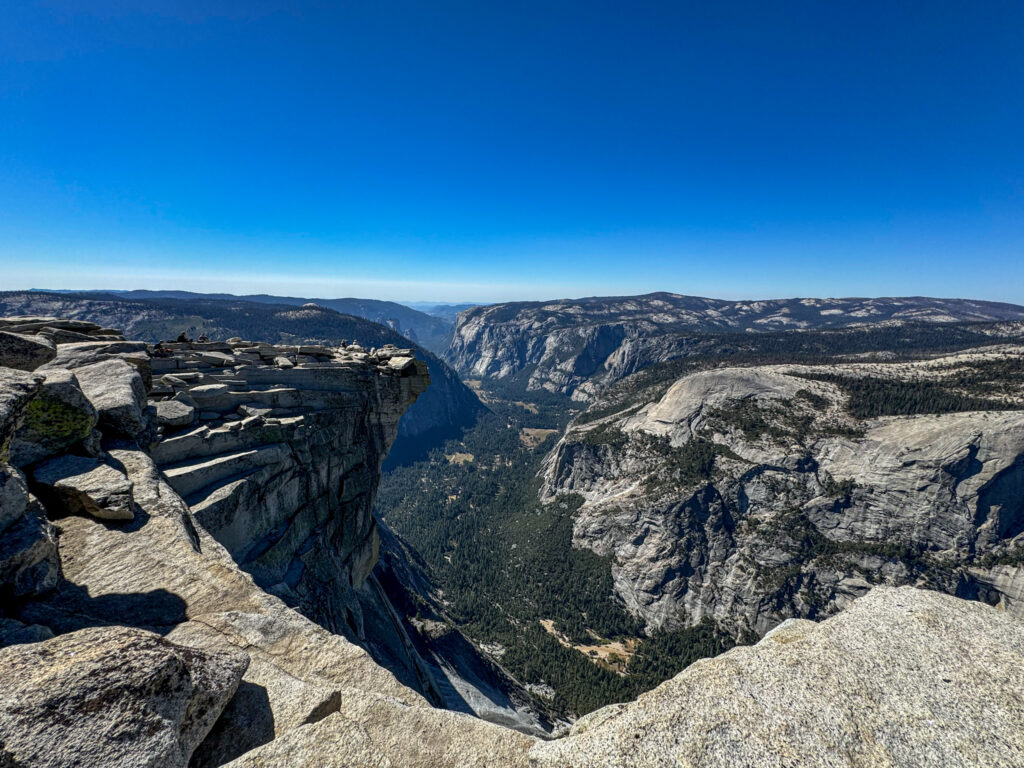
Yosemite Valley
Yosemite Valley is the heart of the park. You can drive around, walk in the meadows, see waterfalls, visit viewpoints, and take short walks.
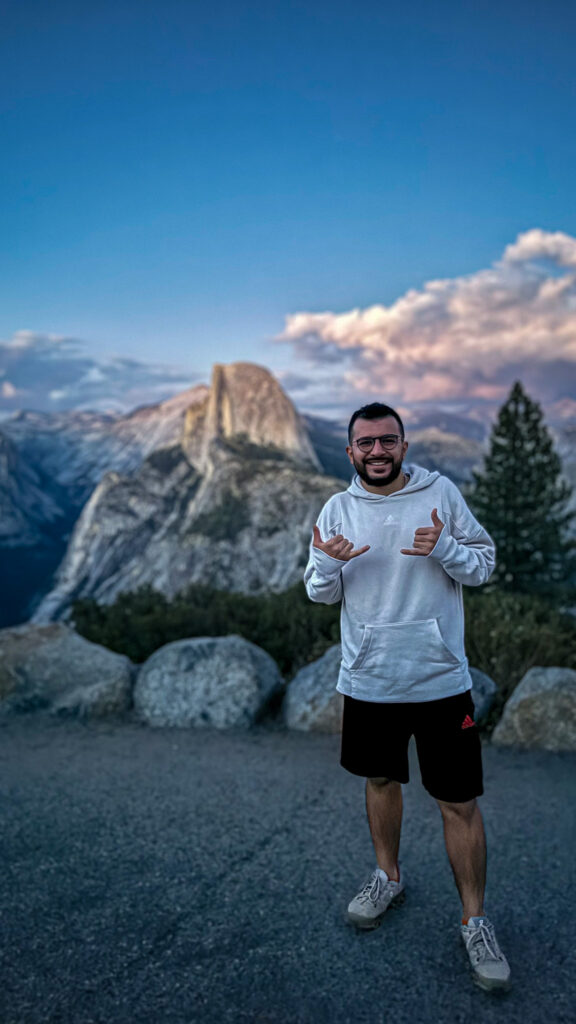
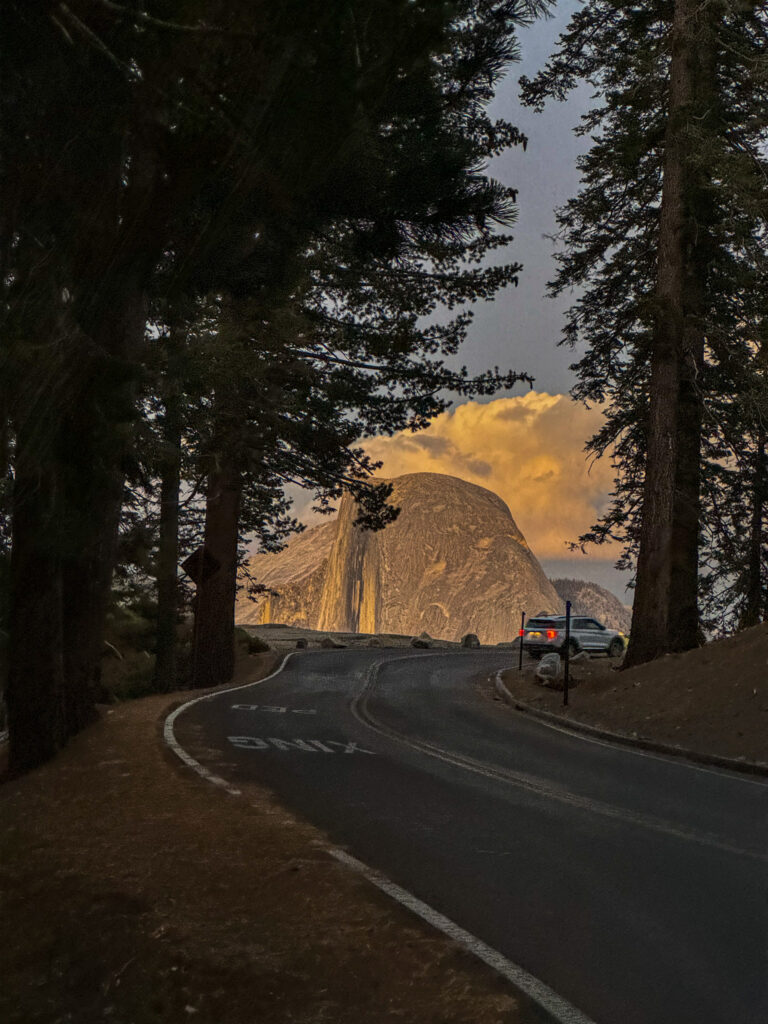
Glacier Point
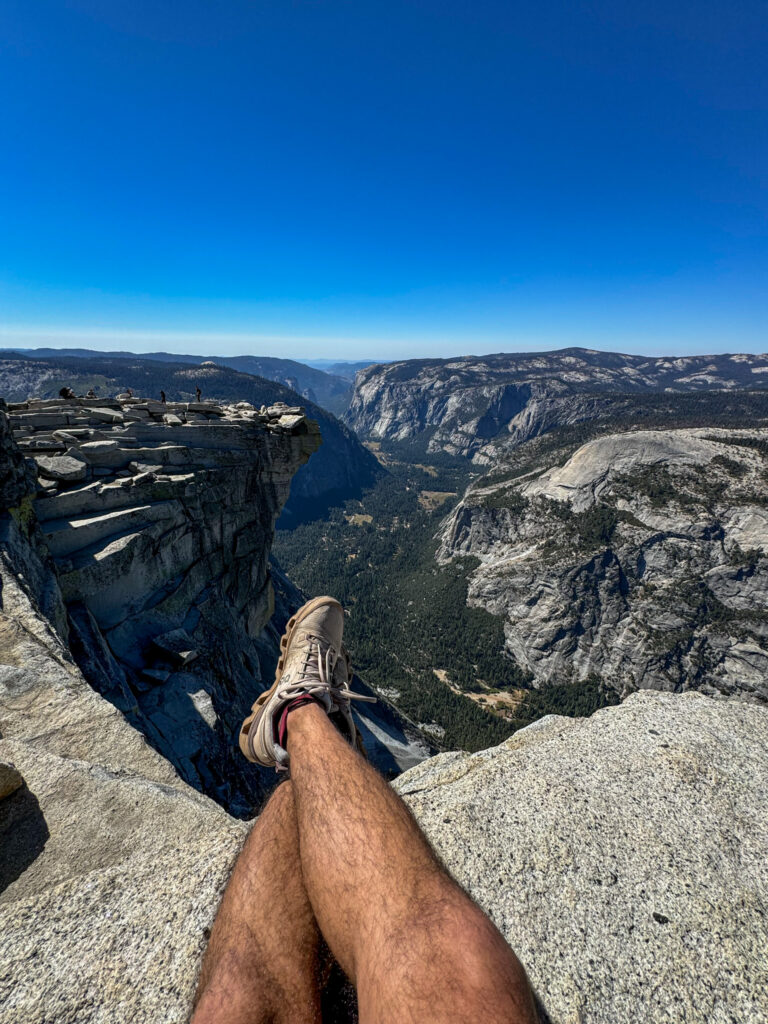
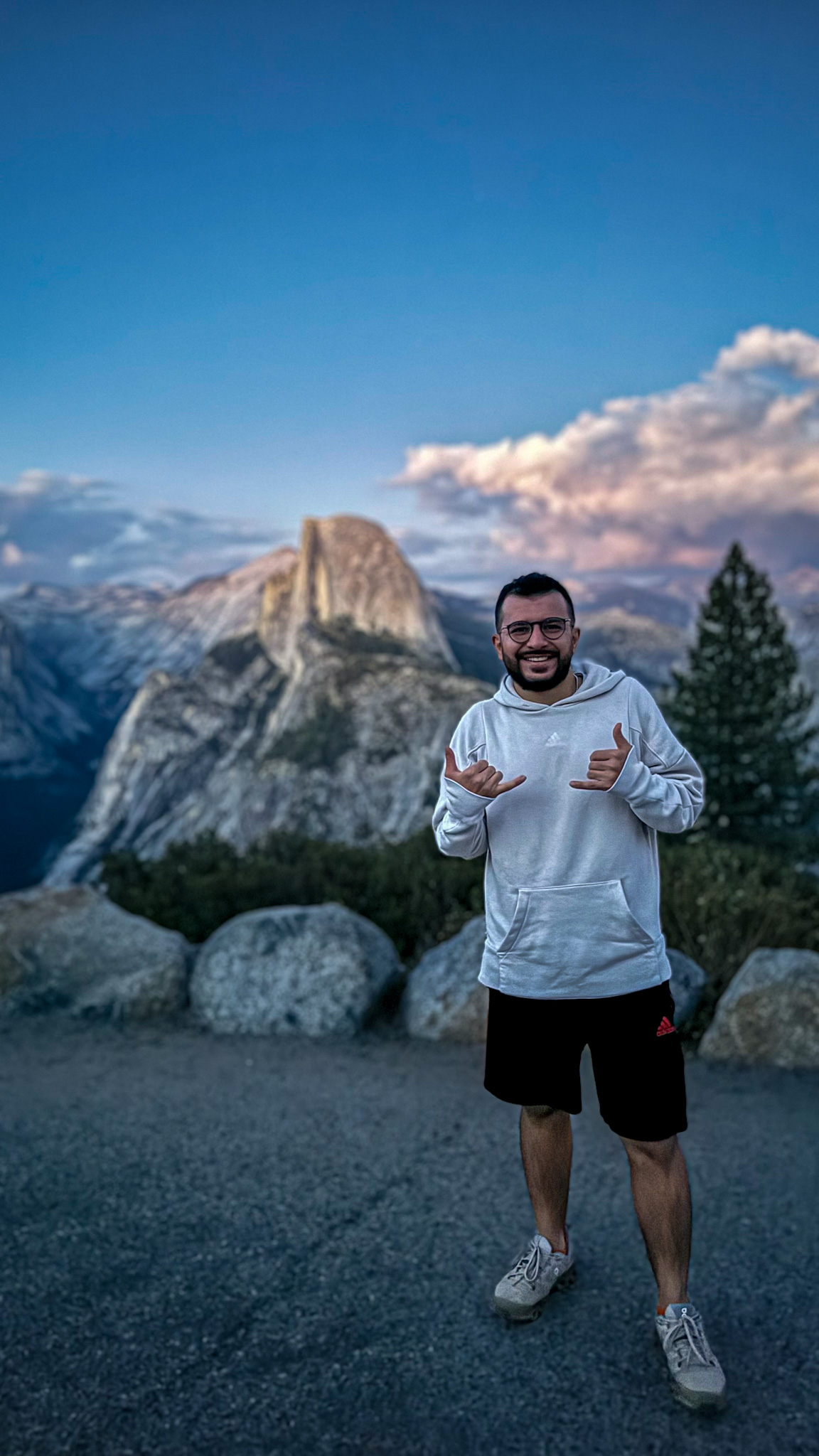
Glacier Point has one of the best views in Yosemite. It is amazing for sunrise or sunset when the road is open. You can see Half Dome and the valley from above.
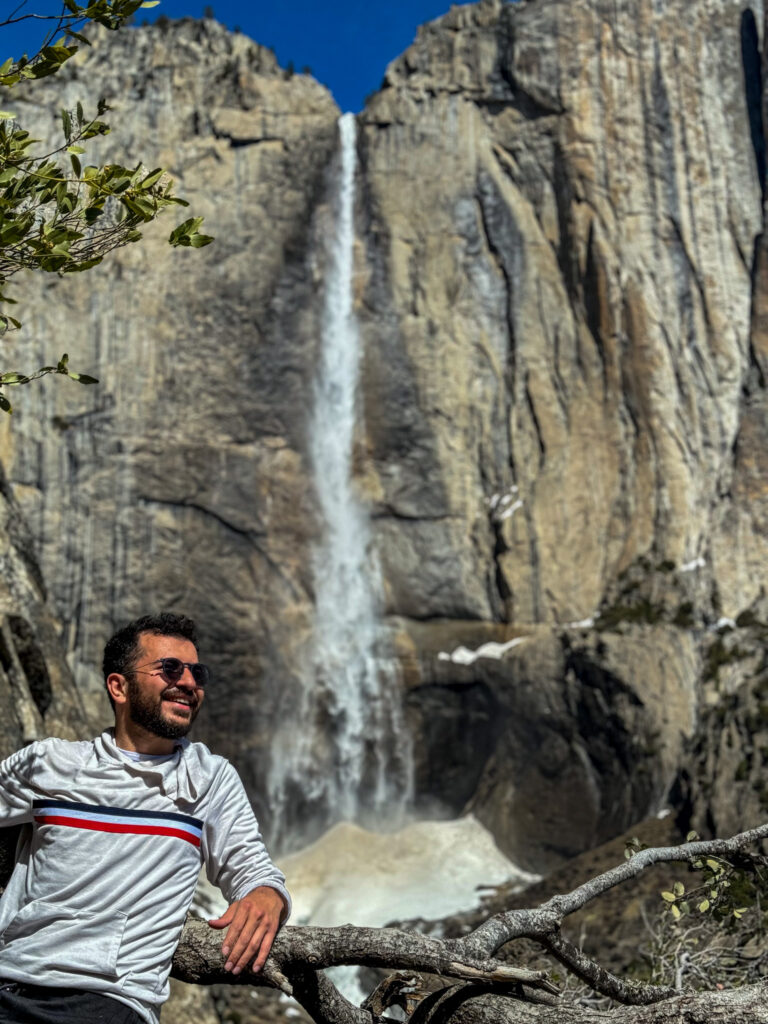
Lower Yosemite Fall
Lower Yosemite Fall is an easy walk and a great stop for almost everyone. In spring and early summer, the waterfall is usually much stronger.
Mirror Lake
Mirror Lake is a nice optional walk with views of Half Dome. It is especially nice when there is water in the lake.
Optional hikes in Yosemite
Upper Yosemite Falls Trail
Upper Yosemite Falls Trail is a hard hike, but the views are amazing. This is not a casual walk. Start early, bring a lot of water, and know your limits.
Vernal Fall / Nevada Fall
The Vernal Fall and Nevada Fall route is one of the best hikes in Yosemite. It is steep and can be slippery, especially near the Mist Trail sections. The views are worth it, but you need good shoes and enough time.
Mariposa Grove
Mariposa Grove has giant sequoia trees. It is optional if you are already going to Sequoia National Park, but if your Sequoia plan changes, this is a great backup.
Suggested Yosemite plan
Day 7: Drive from San Francisco to Yosemite. Visit Tunnel View, Yosemite Valley, Lower Yosemite Fall, and enjoy sunset in the valley.
Day 8: Choose one main hike, such as Vernal Fall/Nevada Fall or Upper Yosemite Falls. Later, go to Glacier Point for sunset if the road is open.
Where to stay near Yosemite
The best place to stay is inside Yosemite Valley, but it books early and can be expensive.
Good alternatives:
👉 El Portal
👉 Mariposa
👉 Oakhurst
👉 Groveland
👉 Fish Camp
Where you stay depends on your route, budget, and which park entrance you want to use.
What to be careful about in Yosemite
👉 Start hikes early. Parking fills up, especially in peak season.
👉 Carry enough water and snacks.
👉 Do not approach wildlife.
👉 Store food properly. Bears are active in Yosemite.
👉 Do not stand in rivers near waterfalls. The water can be stronger than it looks.
👉 Check seasonal road closures, especially for Glacier Point Road and Tioga Road.
Day 9: Sequoia National Park
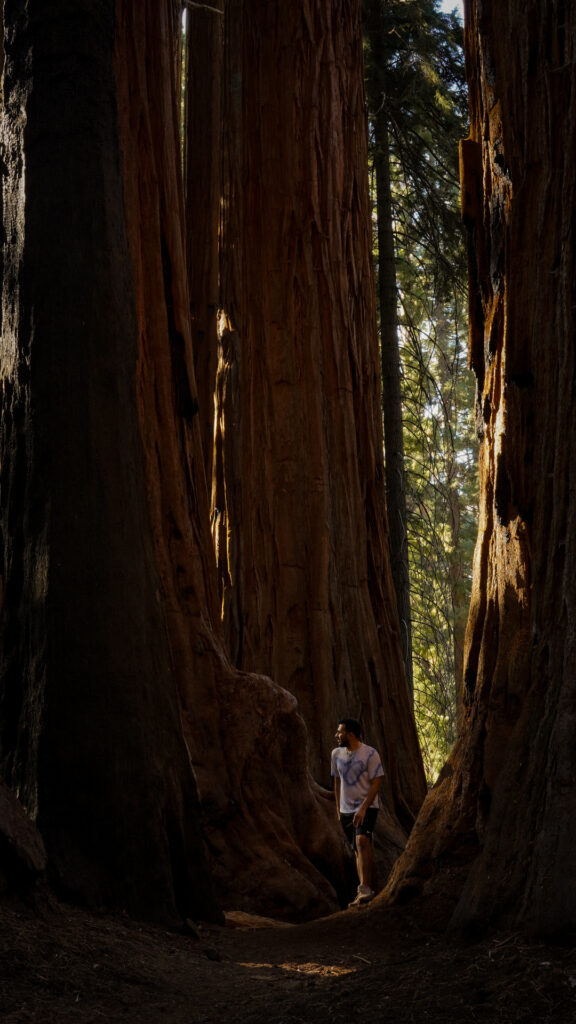
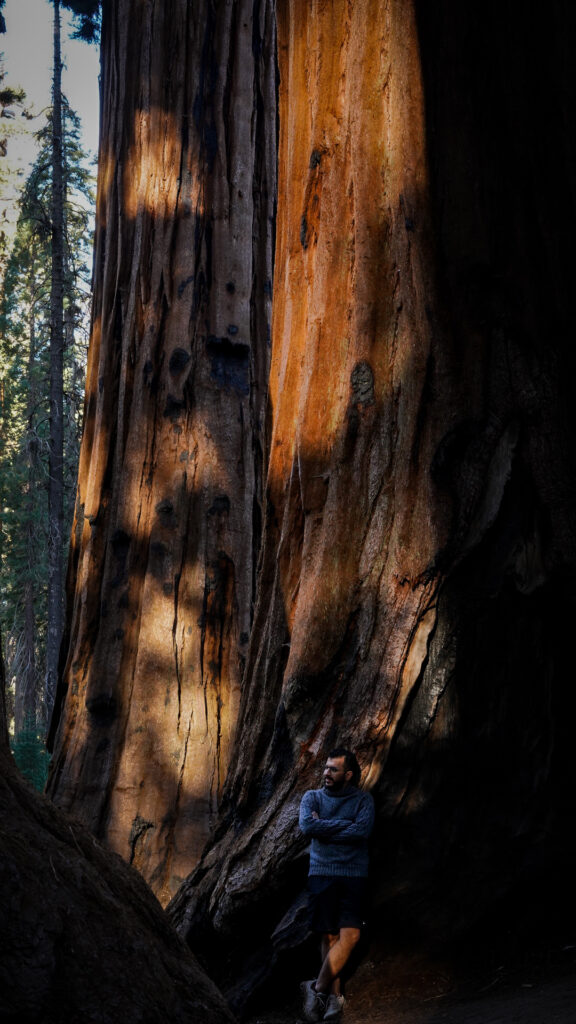
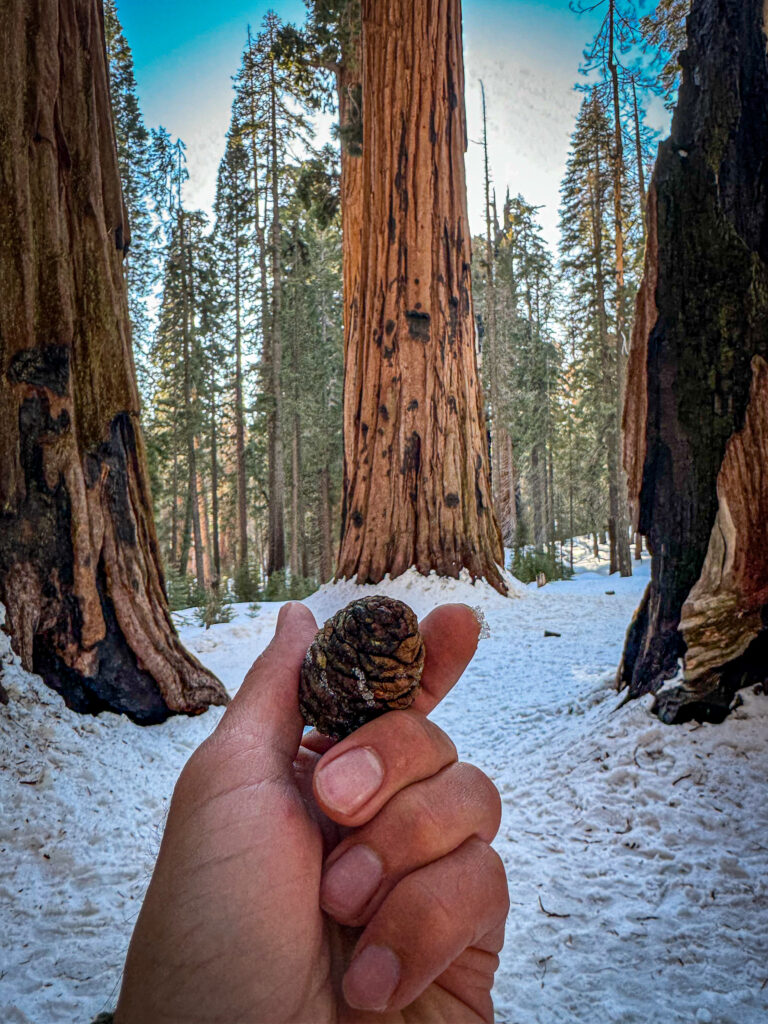
Sequoia National Park is where you go to see giant trees that feel almost impossible. Photos do not really explain how big they are. You have to stand there and look up.
This is a long day after Yosemite, so start early and keep the plan realistic.
Must-see places in Sequoia
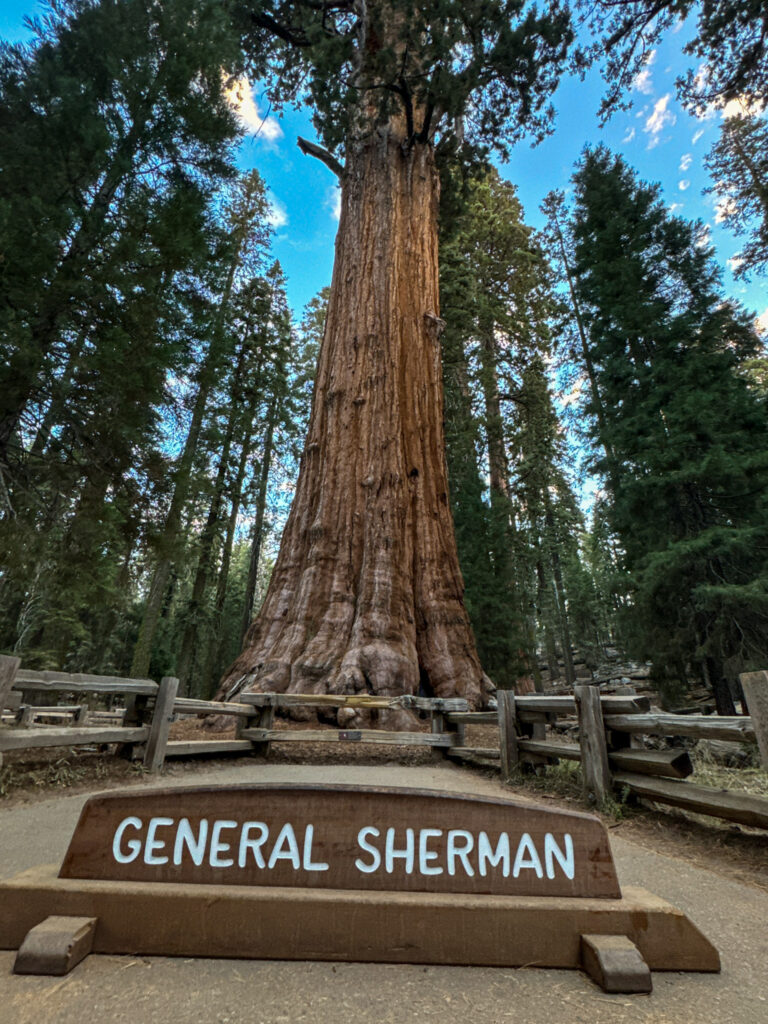
General Sherman Tree
General Sherman Tree is the most famous tree in the park and one of the main reasons people visit Sequoia. It is a must-see.
Congress Trail
Congress Trail is one of the best walks in the park. If you have time, do not only visit General Sherman and leave. Walk the Congress Trail to see more giant trees in a quieter setting.
The Senate
The Senate is a group of giant sequoia trees along Congress Trail. This is one of the places you mentioned, and yes, it is worth seeing.
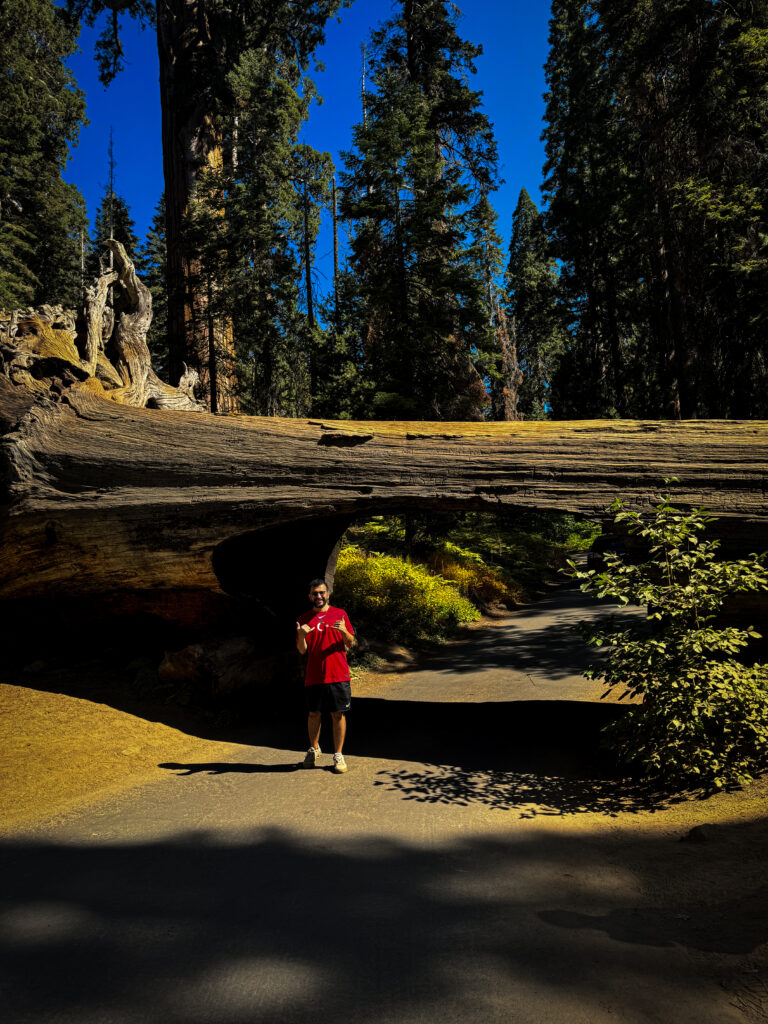
Tunnel Log
Tunnel Log is the classic fallen tree that cars can drive through. It is a quick and fun photo stop.
Moro Rock Trail
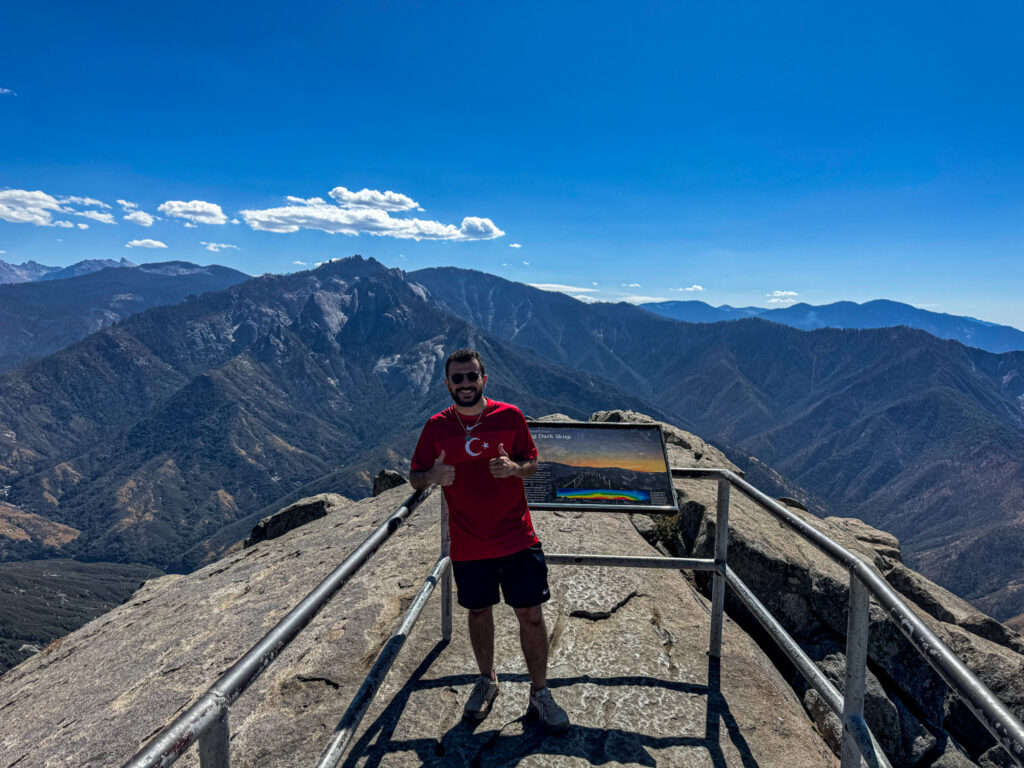
Moro Rock is a short but steep stair climb with huge views. It is beautiful, but avoid it during storms, icy conditions, or if you are uncomfortable with heights.
Suggested Sequoia plan
Drive from the Yosemite area toward Sequoia early.
Visit General Sherman Tree, Congress Trail, The Senate, Tunnel Log, and Moro Rock if weather and parking are good.
Sleep near Three Rivers, Visalia, or inside the park if you found lodging.
What to be careful about in Sequoia
The roads are steep, narrow, and winding.
If you are driving an RV, check vehicle length restrictions and road recommendations before entering the park.
Weather can change quickly in the mountains.
Bring food and water because services are limited.
Do not touch, climb, carve, or damage the trees.
Day 10: Drive Back to Los Angeles
This is mostly a return day. From Sequoia or Three Rivers to Los Angeles, expect a long but straightforward drive. Leave early and try not to arrive in Los Angeles during the worst evening traffic.
If you have a flight, I would be careful about booking it too early the same day. Road delays, traffic, or park delays can happen.
Optional stops on the way back
Bakersfield for food or a break
Pasadena if you want a nicer final stop before LA
Downtown LA if you still have time before returning the car
How Much Does This 10-Day California Trip Cost?
Prices change depending on season, hotels, rental car prices, gas prices, and how early you book. But here is a realistic estimate for 2 people sharing one vehicle.
Budget car trip
Vehicle rental: $450–$800
Fuel: $250–$380
Hotels or motels: $1,000–$1,800
National park entrance: around $70–$80 total if using an annual pass or separate park fees
Parking, tolls, and city transportation: $150–$300
Food: $500–$900
Paid activities: $100–$300
Estimated total for 2 people: $2,500–$4,500
Comfort car trip
Vehicle rental: $700–$1,200
Fuel: $300–$450
Hotels: $1,800–$3,200
National park entrance: around $70–$80
Parking, tolls, and city transportation: $250–$500
Food: $900–$1,600
Paid activities: $300–$700
Estimated total for 2 people: $4,300–$7,700
RV or campervan trip
RV or campervan rental: $1,500–$2,800+
Fuel: $550–$900+
Campgrounds or RV parks: $450–$1,200
National park entrance: around $70–$80
Parking, dump stations, propane, and extra fees: $250–$600
Food: $450–$1,000
Paid activities: $100–$500
Estimated total for 2 people: $3,500–$7,800+
Is an RV cheaper than a car?
Not always. In California, an RV can be more expensive than a car because fuel costs are higher, RVs use more gas, campground reservations are not always cheap, and parking in cities like San Francisco and Los Angeles can be difficult.
If you want the RV experience, it can be amazing. But if your goal is to save money and move easily, a normal car is usually better for this route.
Featured Posts
California Road Trip Itinerary for 10 Days
California Road Trip Itinerary for 10 Days I would like to mention that these are…
Yosemite Camping Reservations: How to Book Campgrounds in 2026
Yosemite Camping Reservations: How to Book Campgrounds in 2026 Planning to camp in Yosemite in…
Sequoia National Park Complete Travel Guide
Sequoia National Park: Walking Among Giants (Complete Travel Guide) I’ve visited Sequoia in both summer…
Car vs RV: Which Is Better?
Car
A car is better for most first-time visitors.
Why a car is better:
Easier to park
Cheaper fuel
Easier in Los Angeles and San Francisco
Better for Highway 1 curves
Easier for Yosemite and Sequoia roads
More flexible with hotels and last-minute changes
RV or Campervan
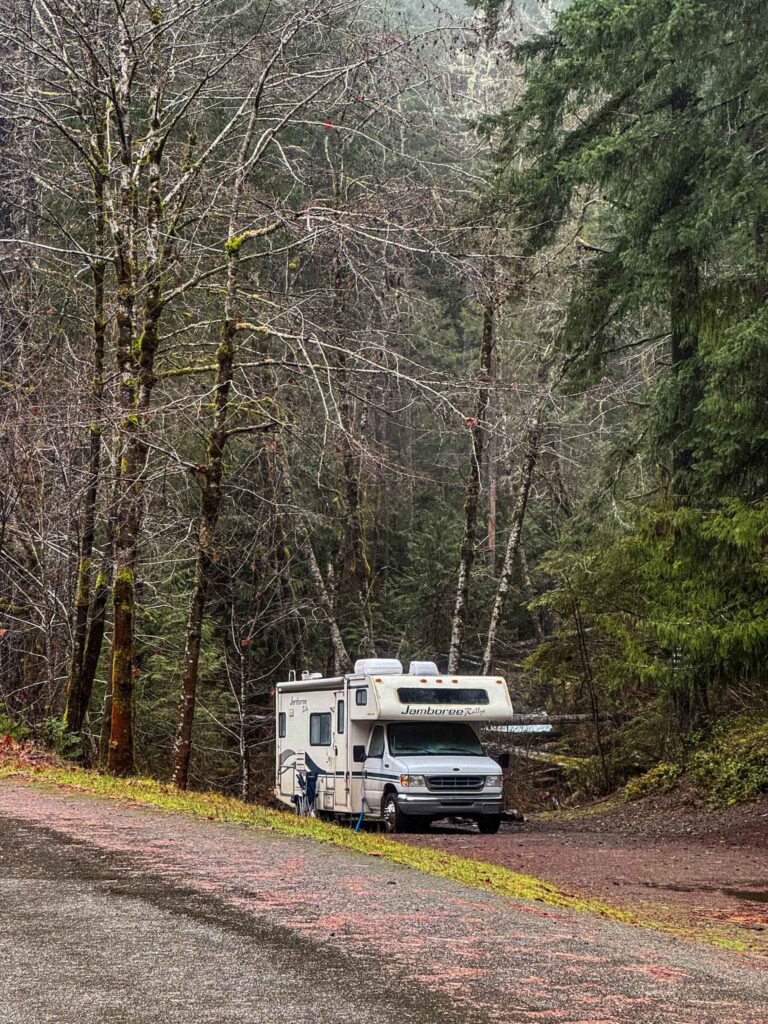
An RV or campervan is better if the camping experience is part of your dream.
Things to know:
Large RVs can be stressful on Highway 1.
San Francisco parking is difficult with an RV.
Some Sequoia roads are narrow and winding.
You need campground reservations early.
You need to think about water, electricity, dumping, and overnight parking rules.
My recommendation
For this exact 10-day California itinerary, I would choose a regular car unless you really want the RV lifestyle.
Best Time to Do This California Road Trip
May and June
This is one of the best times. Yosemite waterfalls are usually strong, days are long, and weather is generally good. Some high-elevation roads may still be closed depending on snow, but the trip is usually beautiful.
September and October
This is also one of the best times. The coast is often clearer and warmer, crowds are smaller than summer, and hotel prices may be better after peak season. Yosemite waterfalls may be weaker, but the overall trip can be very comfortable.
July and August
Summer is popular, but it is crowded and expensive. Yosemite and the coast can be busy, and you need to book lodging early.
Winter
Winter can be beautiful, but this itinerary becomes more complicated. Yosemite and Sequoia can have snow, tire chain requirements, and road closures. Highway 1 can also have winter storm issues.
Total Driving Time
This route is around 1,250–1,450 miles depending on detours and hotel locations.
Approximate driving times without long stops:
Los Angeles to Santa Barbara: 1.5–2.5 hours
Santa Barbara to Morro Bay: 2 hours
Morro Bay to Big Sur/Carmel: 3–4+ hours depending on stops and road conditions
Carmel to San Francisco: 2–2.5 hours
San Francisco to Yosemite Valley: 4–5+ hours
Yosemite to Sequoia area: 4–6+ hours depending on where you start and sleep
Sequoia to Los Angeles: 4–6 hours
Remember, California driving times can change a lot because of traffic, road work, weather, park entrances, parking, and photo stops.
What to Pack
Comfortable walking shoes
Light jacket or hoodie
Warm layer for San Francisco
Sunscreen
Sunglasses
Reusable water bottle
Snacks
Small cooler
Car charger
Offline Google Maps
Power bank
Hiking clothes
Hat
Camera
National park pass if needed
Printed or saved hotel reservations
Motion sickness medicine if you get sick on curvy roads
What Not to DBiggest Mistakes to Avoid on a California Road Tripo
Do not leave anything visible in your car.
Do not try to do too many places in one day.
Do not drive Highway 1 at night if you can avoid it.
Do not ignore road closures.
Do not feed wildlife.
Do not get close to bears, deer, squirrels, sea lions, or elephant seals.
Do not underestimate Yosemite hikes.
Do not enter rivers near waterfalls.
Do not park illegally for photos.
Do not plan a tight flight on the same day you drive back from Sequoia.
FAQ: California 10-Day Road Trip
Is 10 days enough for California?
Yes, 10 days is enough for a great first California road trip if you focus. You cannot see everything, but you can see Los Angeles, Highway 1, Big Sur, San Francisco, Yosemite, and Sequoia.
Should I drive Highway 1 from Los Angeles to San Francisco or San Francisco to Los Angeles?
Both directions work. Driving from San Francisco to Los Angeles puts the ocean on your side of the road, which some people prefer. But this itinerary starts in Los Angeles because many visitors fly into LA and want to make a loop.
Can I drive from Los Angeles to San Francisco on Highway 1 in one day?
You can, but I do not recommend it. It becomes too rushed. The best part of Highway 1 is stopping, walking, taking photos, drinking coffee, and enjoying the views. Two days is much better.
Do I need a reservation for Yosemite?
Reservation rules change depending on the year and season. Always check the official Yosemite National Park website before your trip. Even when vehicle reservations are not required, lodging and campsites still book very early.
Should I book hotels ahead?
Yes. You should especially book Yosemite, Big Sur, Carmel, Monterey, and Sequoia lodging ahead. These places can get expensive or sell out.
Is this itinerary good for families?
Yes, but with kids I would slow it down. I would add one extra day to the coast or Yosemite if possible. Also choose easier hikes like Lower Yosemite Fall, Mirror Lake, General Sherman Tree, and shorter beach stops.
Is this itinerary good with an RV?
It can work with a small campervan, but it is harder with a large RV. San Francisco parking, Highway 1 curves, Yosemite roads, and Sequoia roads can be difficult. Book RV parks early and check restrictions.
Where should I add extra days?
First, add an extra day to Yosemite. Second, add an extra day to the Highway 1 / Big Sur / Carmel area. Third, add an extra day to San Francisco.
What is the biggest mistake people make on this trip?
The biggest mistake is trying to do too much. California looks easy on the map, but the distances, traffic, road conditions, and crowds can slow everything down. Leave space in your plan.
Is Sequoia worth visiting after Yosemite?
Yes, if you want to see the giant sequoia trees in the most impressive way. Yosemite has Mariposa Grove, but Sequoia National Park feels more focused on the giant trees and is very special.
Is the Pacific Coast Highway worth it?
Yes. For first-time visitors, the coastal drive is one of the best parts of California. It is slower than I-5, but much more beautiful.
Final Thoughts
This 10-day California road trip is a great route for first-time visitors because it gives you a little bit of everything: Los Angeles beaches, the Pacific Coast Highway, Big Sur cliffs, San Francisco views, Yosemite waterfalls, and the giant trees of Sequoia.
It is not the fastest route, and that is the point. California is not only about checking places off a list. Some of the best moments are the slow ones: a coffee in Santa Barbara, sunset at the beach, fog over the Golden Gate Bridge, a waterfall in Yosemite, or standing under a tree that is thousands of years old.
Continue Your Western Road Trip
If you are entering California from the north, compare the mileage in my Seattle to San Francisco via Highway 101 route guide and save time for the hikes and scenic drives in the Redwood National Park guide.
Planning a larger national-parks trip? Add the Grand Teton 2-day itinerary, or organize the full drive with the road trip itinerary planner.
Still choosing your route? Take the Which West Coast Road Trip Is Right for You? quiz to see whether California highlights, Highway 101, redwoods, or a national-parks loop fits you best.