Grand Teton 2-Day Itinerary (2026) + Free Camping
I am writing this while I am still in Grand Teton National Park, so these are my honest first impressions from the road—not a guide written months later from a desk.
I spent two days here after driving from Lake Tahoe. That is a long stretch of road, and I needed time to rest as much as I needed time to explore. Two days is not enough to see everything in Grand Teton, but it is enough to drive the most scenic roads, visit Jenny Lake, hike to Inspiration Point, look for wildlife, and understand why this park is so special.
Still comparing parks? Take the Which National Park Should You Visit? quiz to match your time, scenery, and hiking style with Grand Teton, Yosemite, Sequoia, Redwood, Olympic, or North Cascades.
The hardest part was not deciding what to see. It was finding somewhere affordable to sleep. Hotels and campgrounds around Grand Teton can be expensive and fill quickly, especially in summer. After a lot of research, I found free camping options outside the park that made this trip possible.
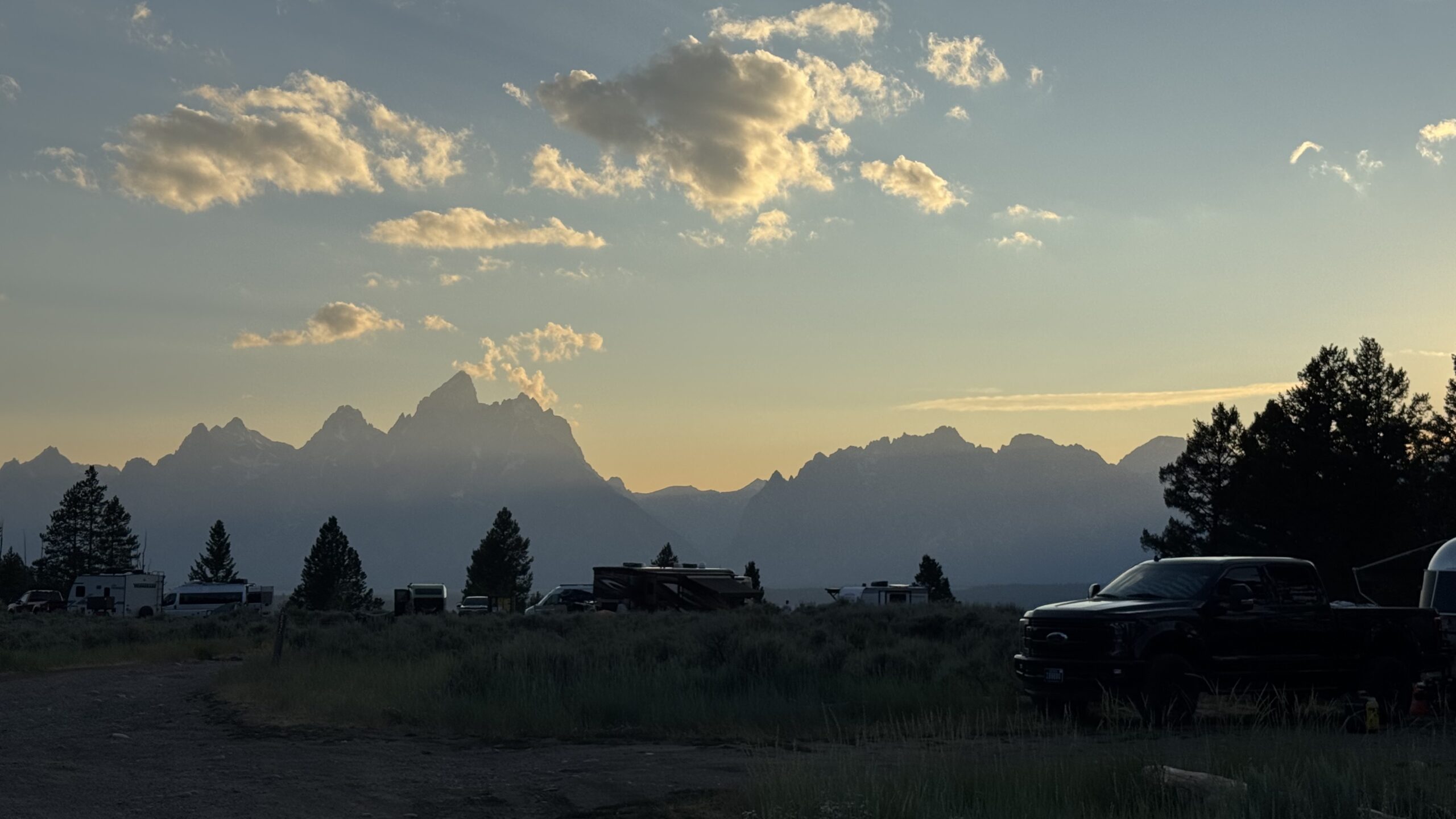
Table of Contents
Why I built this guide
I wrote this guide while visiting Grand Teton National Park after driving from Lake Tahoe. It combines my real two-day experience with the practical details I struggled to find: where to stop, how early to arrive, what the Inspiration Point view is really like, and where budget travelers can legally camp.
Use the links on the left to jump directly to scenic stops, wildlife tips, accommodation choices, free camping locations, my two-day itinerary, or the FAQ.
Grand Teton National Park
Plan Your Two Days
Start with the seven essential stops, or explore scenic viewpoints, hikes, wildlife areas, lodging, and legal camping areas.
Explore by category
Things to Know Before Visiting Grand Teton
- Start early. Jenny Lake and other popular parking areas can fill quickly. Before 8 a.m. or later in the afternoon is usually easier.
- Do not underestimate the driving. The park looks compact on a map, but viewpoints, wildlife traffic, construction, and photo stops add time.
- Weather changes fast. Bring layers even in summer. It can be warm in the sun and cold or windy beside the lakes.
- Book paid accommodation early. Campgrounds and hotels often sell out, and last-minute prices can be high.
- You cannot camp in park pullouts. Sleeping overnight in roadside pullouts, parking lots, picnic areas, or overlooks inside Grand Teton is not allowed.
- Download maps before arriving. Cell service is unreliable in parts of the park and around dispersed camping areas.
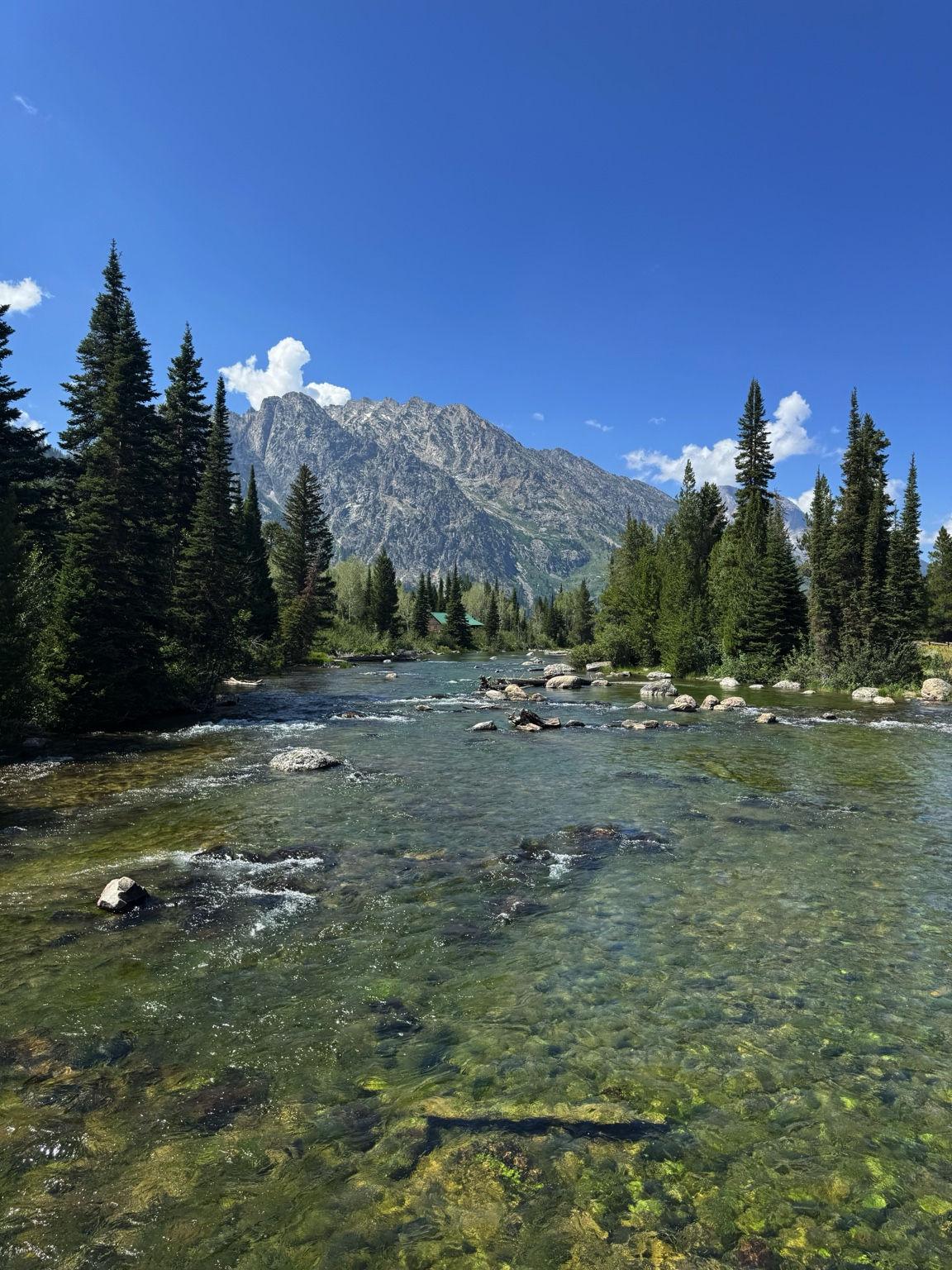
Best Places to See in Grand Teton National Park
1. Teton Park Road
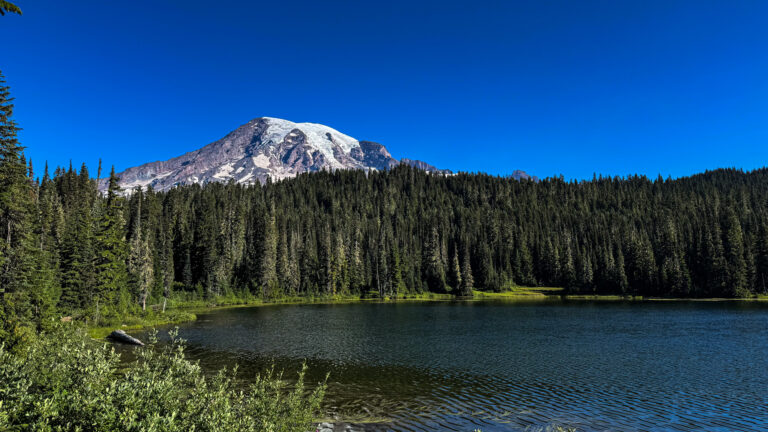
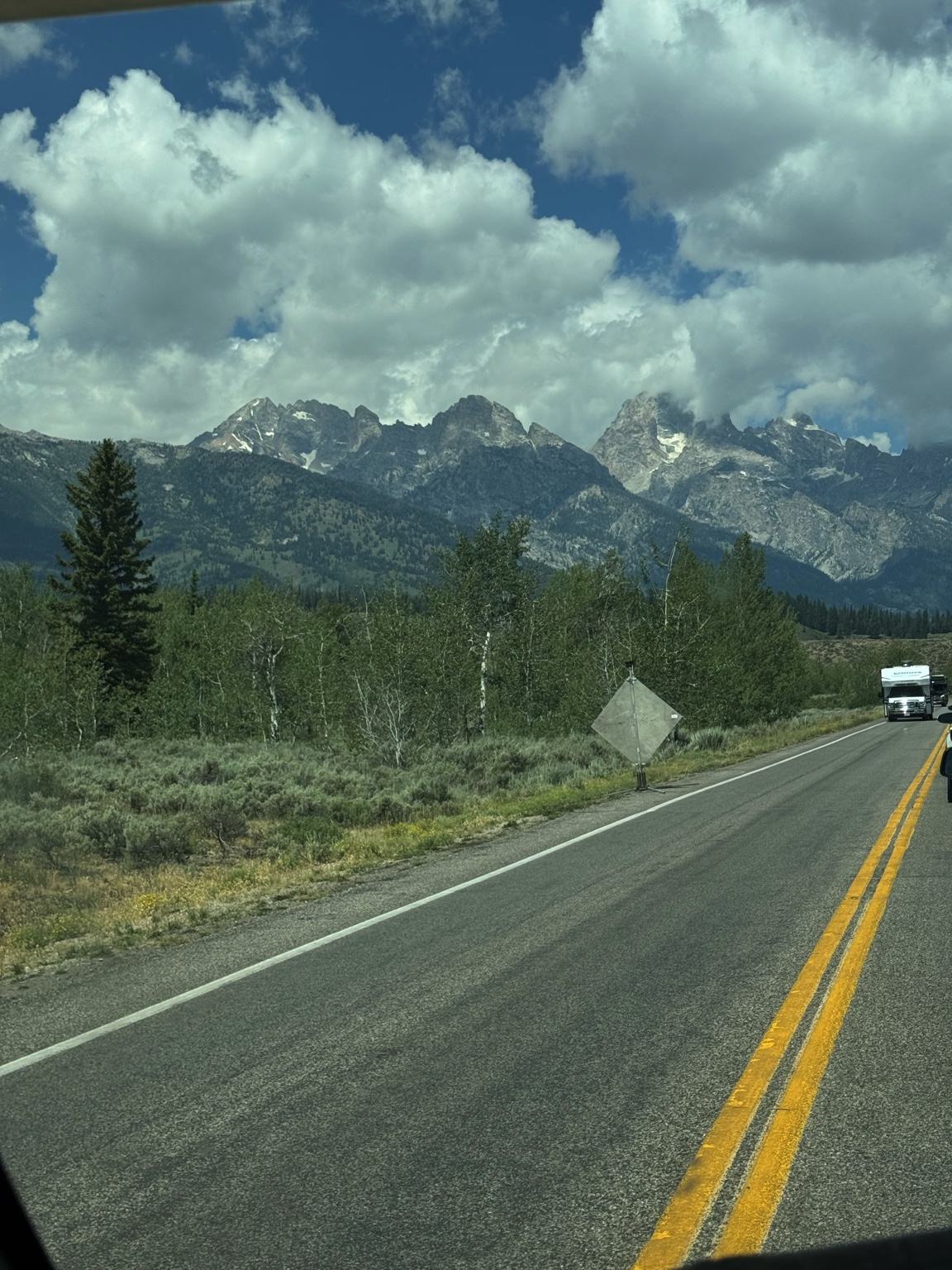
Teton Park Road is the most important drive in Grand Teton National Park. The road runs close to the base of the mountains and connects many of the park’s best lakes, trailheads, and viewpoints.
Do not rush it. Stop only in safe, designated pullouts, get out of the car, and take in the view. The light changes the mountains throughout the day, so the same viewpoint can look completely different in the morning and evening. Sunrise gives the range soft color, while late afternoon often creates dramatic shadows.
2. Jenny Lake
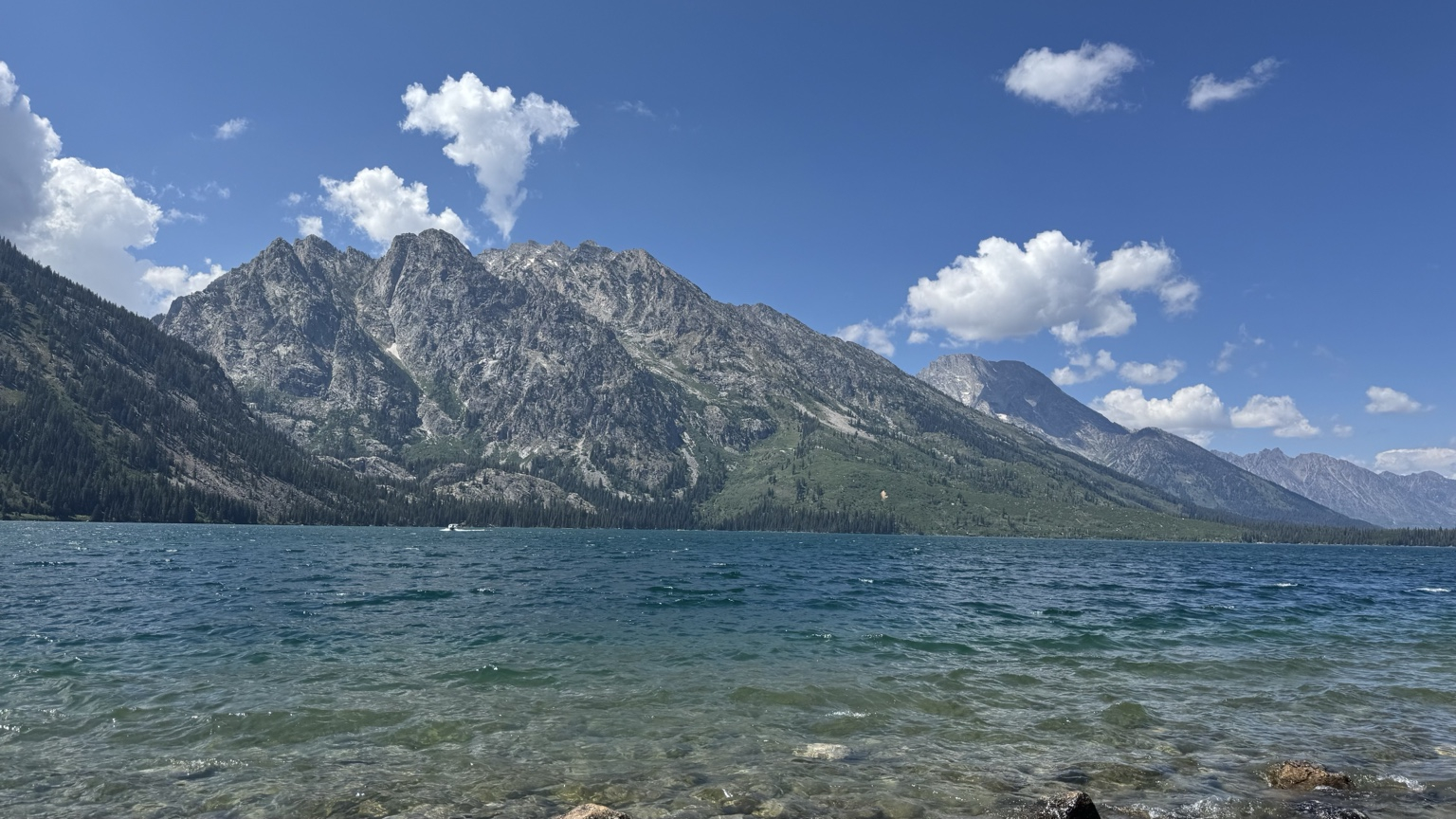
Jenny Lake sits directly below the Teton Range and is one of the most popular places in the park. You can walk beside the water, take the seasonal shuttle boat, hike around the lake, or use it as the starting point for Hidden Falls and Inspiration Point.
It was windy when we arrived, but the water looked so good that I still went in and relaxed for a little while. The moment I got out, I was freezing—so learn from me and keep a towel and warm layer close to the shore! Even on a sunny day, mountain water is cold and the wind can make it feel much colder.
Parking is the difficult part. Arrive early, go later in the afternoon, or be prepared to wait. If you only want a short visit, the paved Discovery Trail provides an easy route to the lakeshore.
3. Inspiration Point and Hidden Falls
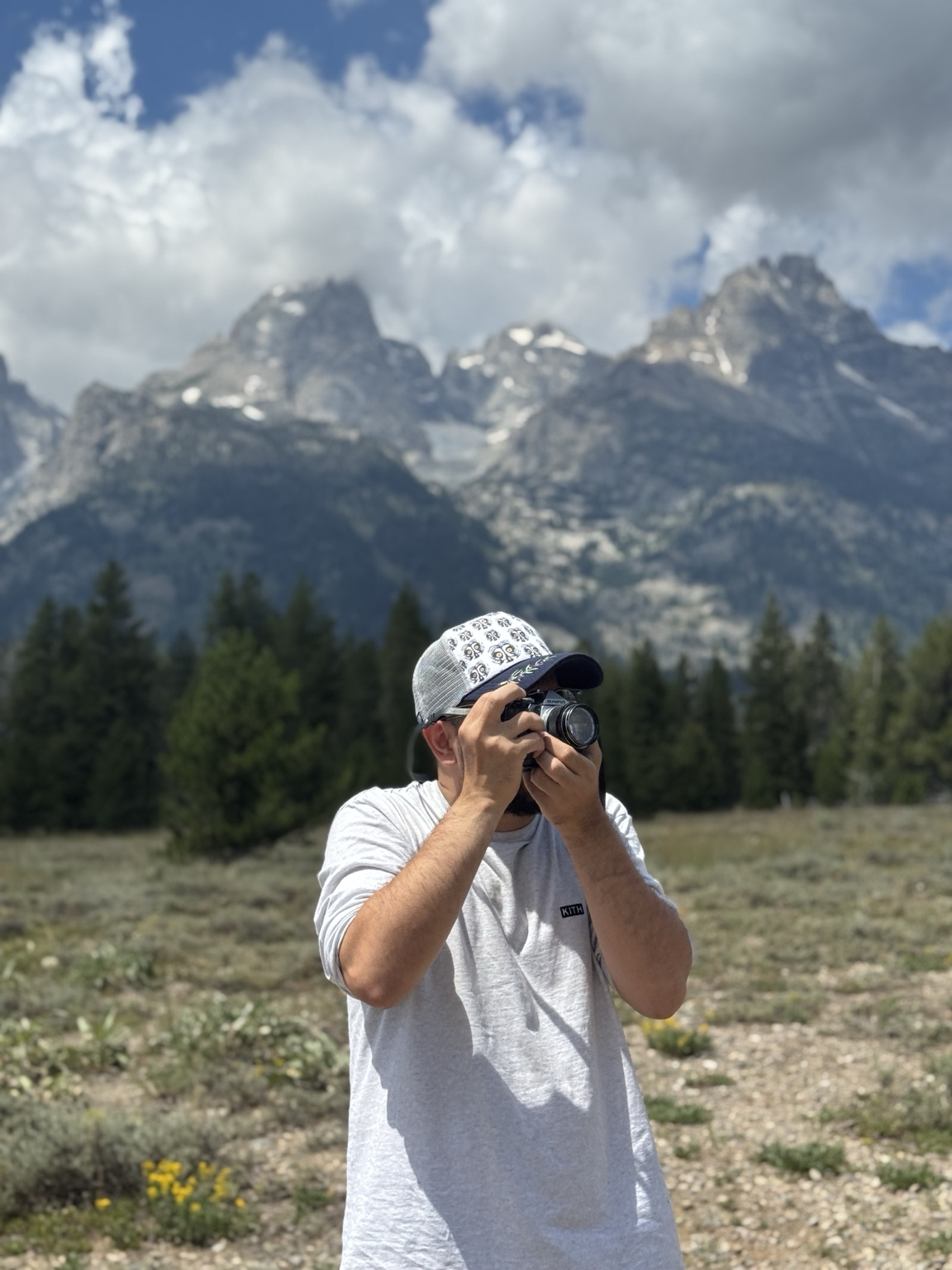
Inspiration Point was one of my favorite views, but it is different from what many people expect. You are not standing there looking straight at the main Teton peaks. Instead, the viewpoint looks back across Jenny Lake and over the wide Jackson Hole valley.
The hike is worth doing because the scenery changes along the way. You pass through forest, can stop at Hidden Falls, and then climb a rockier section toward Inspiration Point. The final part gains elevation and can feel exposed in places, so wear proper shoes and take your time.
You can hike all the way around Jenny Lake or shorten the trip by taking the seasonal boat shuttle across the lake. From the west boat dock, Hidden Falls is about a 1-mile round trip and Inspiration Point is about a 2-mile round trip. Without the boat, the total hike is much longer.
4. Mormon Row Historic District
Mormon Row is one of the classic Grand Teton photo stops. Historic barns and homesteads sit in the open valley with the mountains rising behind them. The Moulton Barns are especially popular at sunrise, but the area is beautiful at any time of day.
5. Schwabacher Landing
Schwabacher Landing is a quieter riverside viewpoint where calm water can reflect the Tetons. Sunrise is the famous time to visit, but it is also a good place for a peaceful walk and possible wildlife sightings. The access road is unpaved, so drive slowly and check conditions after rain.
6. Snake River Overlook
This overlook is famous for the sweeping view of the Snake River and the Teton Range. Trees now block part of the historic composition, but it is still an easy and worthwhile stop along Highway 89.
7. Oxbow Bend
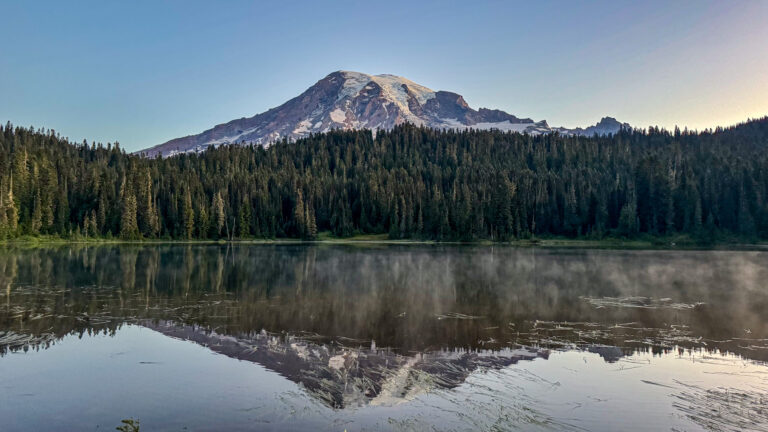
Oxbow Bend is one of the best places for sunrise, mountain reflections, and wildlife. Look for moose, elk, waterfowl, and sometimes bears from a safe distance. Bring binoculars if you have them, because the best sightings are often far from the road.
8. Jackson Lake and Colter Bay
Jackson Lake gives you a broader view of the northern Teton Range. Colter Bay has lake access, picnic areas, short trails, food, fuel nearby, and a visitor center, making it an easy stop when you need a slower part of the day.
9. Signal Mountain Summit Road
If the road is open, the drive up Signal Mountain offers a different perspective from the lakeside viewpoints. From the top, you look across Jackson Hole, the Snake River, and distant mountain ranges. The road is narrow and winding, so larger RVs may prefer to skip it.
Wildlife We Saw—and How to Watch Safely
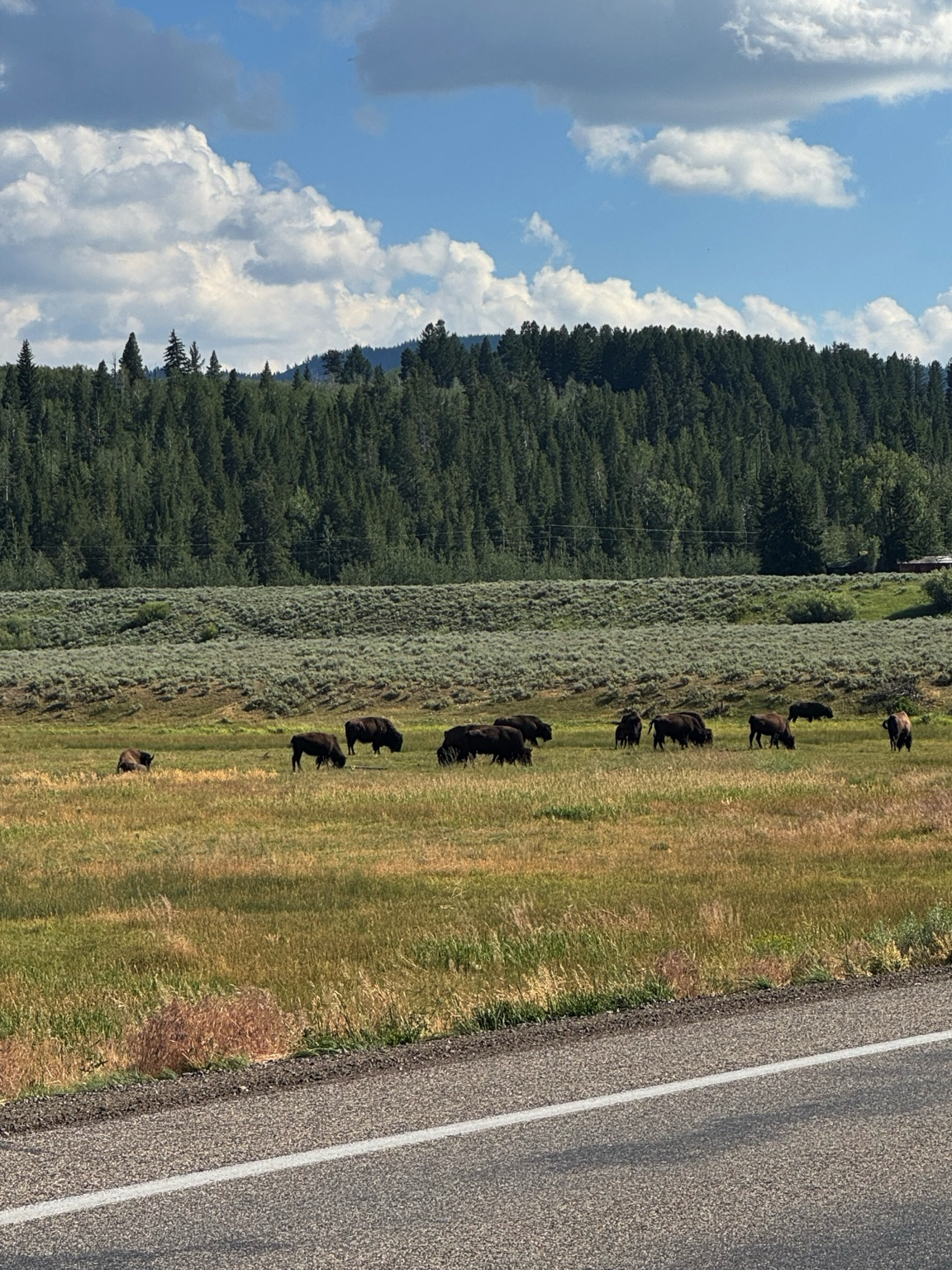
We saw bison beside the road, and they were one of the highlights of the trip. They looked calm and almost playful from inside the vehicle, but bison are powerful wild animals and can move much faster than people expect.
Grand Teton is also home to moose, elk, pronghorn, black bears, grizzly bears, wolves, foxes, and bald eagles. Dawn and dusk are usually the best times to look, especially around Oxbow Bend, Mormon Row, Antelope Flats, Willow Flats, and the Snake River.
- Stay at least 100 yards from bears and wolves.
- Stay at least 25 yards from bison, moose, elk, and other wildlife.
- Never stop in the traffic lane for a photo.
- Never feed wildlife or approach an animal for a selfie.
- Carry bear spray on trails and know how to use it.
Where to Stay Near Grand Teton National Park
Campgrounds Inside the Park
Grand Teton has several developed campgrounds, including Gros Ventre, Jenny Lake, Signal Mountain, Colter Bay, Colter Bay RV Park, and Lizard Creek. These campgrounds are reservable in advance; do not arrive expecting a first-come campsite inside the park.
Jenny Lake is best for tents and mountain access. Signal Mountain and Colter Bay work well for travelers who want services nearby, while Colter Bay RV Park has full-hookup options. Gros Ventre is farther from the main lake attractions but can be useful for access to Jackson and the southern park.
Lodges and Cabins Inside the Park
For a room or cabin inside the park, look at Jackson Lake Lodge, Jenny Lake Lodge, Signal Mountain Lodge, Colter Bay Village, and Headwaters Lodge at Flagg Ranch. Staying inside the park saves driving time, but summer rates can be expensive and rooms often sell out far ahead.
Hotels Outside the Park
Jackson has the largest choice of hotels, restaurants, and supplies, but it is usually the most expensive base. Teton Village can also be convenient for the southern part of the park. If price matters more than driving time, compare options farther away and calculate the extra fuel and road time before booking.
Free Camping Near Grand Teton
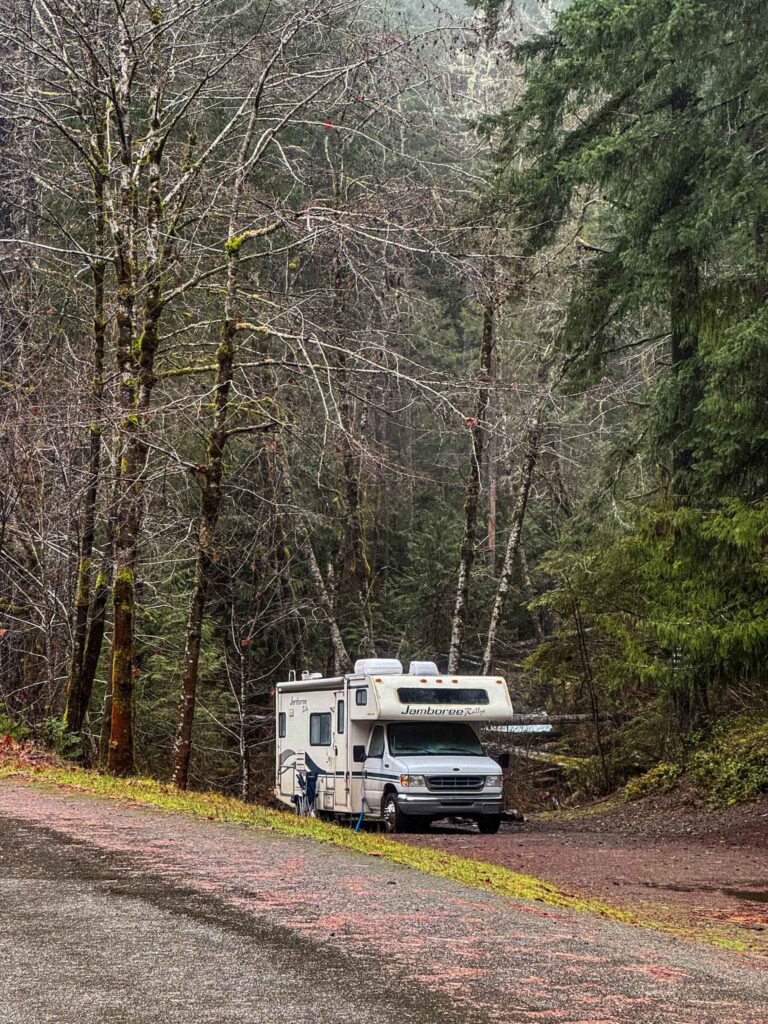
This was the part that required the most research. Free camping around Grand Teton is limited to legal, designated sites on surrounding public land. These sites can fill early, have few or no services, and may be reached by rough dirt roads. Always check current signs, fire restrictions, road conditions, and stay limits when you arrive.
The Free Camping Location I Used
I saved the exact location on Google Maps so other travelers can find it: open my free camping location near Grand Teton.
This is first-come, first-served, so arrive as early as you can and keep a backup plan. Download the pin before losing service, bring water, pack out all trash, and do not create a new campsite if the designated spots are full.
Spread Creek / Toppings Lake Dispersed Camping
Spread Creek and the nearby Toppings Lake designated camping areas in Bridger-Teton National Forest are another free option east of Grand Teton. The main gravel road is generally manageable in dry conditions, but some spur roads are rough. Sites are primitive, water is not readily available, and there are no hotel-style services.
Only camp in a marked or established designated site. The area is bear country, so keep food and scented items secured, follow current fire rules, and pack out everything. Current Forest Service rules limit stays in the Spread Creek and Toppings designated areas to five days within a 30-day period from May 1 through Labor Day.
Grassy Lake Road Primitive Sites
Grassy Lake Road in the John D. Rockefeller, Jr. Memorial Parkway has a small number of free designated primitive sites that are first-come, first-served after the road opens for the season. They have no water, but shared toilets, bear boxes, and trash facilities are available. Because there are so few sites, do not rely on this as your only plan.
My Simple 2-Day Grand Teton Itinerary
Day 1: Scenic Drive and Lakes
- Start early on Teton Park Road.
- Visit Jenny Lake and walk along the shore.
- Hike to Hidden Falls and Inspiration Point, using the boat shuttle if you want a shorter day.
- Continue to Jackson Lake and Colter Bay.
- Watch sunset from Oxbow Bend.
Day 2: Wildlife and Famous Viewpoints
- Start at Mormon Row or Schwabacher Landing for sunrise.
- Drive Antelope Flats and look for bison and pronghorn.
- Stop at Snake River Overlook.
- Choose a short trail or drive Signal Mountain if you still have energy.
- Return to your favorite viewpoint for evening light.
Is Grand Teton Worth Visiting for Only Two Days?
Yes—absolutely. I arrived tired after the long drive from Lake Tahoe, and I did not have enough time or energy for a packed hiking schedule. Even so, the mountains, Jenny Lake, Inspiration Point, and the bison made the stop unforgettable.
My biggest advice is to plan your sleeping arrangements before you arrive. If you want a campground or hotel, reserve early. If you want free camping, save more than one legal option, arrive before the sites fill, and be ready to camp without services.
Grand Teton is a place where you could easily stay for a week, but two thoughtful days are much better than trying to rush through everything. Slow down, pull over safely, watch the light move across the mountains, and enjoy the views as much as you can.
Continue Planning Your Western Road Trip
If Grand Teton is one stop on a longer trip, continue west with my 10-day California road trip itinerary, compare coastal options in the Seattle to San Francisco via Highway 101 route guide, or plan extra time among the trees with my Redwood National Park guide.
For the driving details, use the road trip itinerary planner and drive time and distance calculator. Traveling by RV and worried that the free sites will be full? My honest Harvest Hosts review explains another overnight option.
Grand Teton National Park FAQ
These are the questions I would have wanted answered before planning my own Grand Teton trip.
How many days do you need in Grand Teton National Park?
Two days is enough for the main scenic drives, Jenny Lake, Inspiration Point, and several famous viewpoints. Three to four days is better if you want longer hikes, wildlife mornings, or a more relaxed schedule.
Can you see Grand Teton National Park in two days?
Yes. Spend one day on Teton Park Road, Jenny Lake, Hidden Falls, Inspiration Point, and Oxbow Bend. Use the second day for Mormon Row, Schwabacher Landing, Antelope Flats, Snake River Overlook, and wildlife viewing.
What should first-time visitors not miss?
My must-see places are Teton Park Road, Jenny Lake, Inspiration Point, Mormon Row, Schwabacher Landing, Snake River Overlook, Oxbow Bend, and Jackson Lake. If you have less time, prioritize Teton Park Road and Jenny Lake.
What is the best time of year to visit Grand Teton?
Summer has the warmest weather and best access, but it is also the busiest and most expensive season. Late spring and early fall can have fewer crowds, although snow, cold temperatures, and seasonal road or service closures are possible. Always check current park conditions before your trip.
What time should I arrive at Jenny Lake?
Try to arrive before 8 a.m. or later in the afternoon. The parking area often becomes very busy during peak summer hours. Starting early also gives you cooler hiking weather and more time for Hidden Falls or Inspiration Point.
Can you swim in Jenny Lake?
You can enter the water in appropriate areas, but Jenny Lake is cold even when the day feels warm. Wind can make you feel especially cold after getting out, so bring a towel and dry layers and stay close to shore if you are not used to cold mountain water.
How difficult is the hike to Inspiration Point?
It is a moderate hike with climbing and a rocky, exposed final section. Taking the seasonal Jenny Lake boat makes it much shorter: Inspiration Point is about a 2-mile round trip from the west boat dock. Hiking from the visitor-center side adds several miles.
Where is the best place to see wildlife in Grand Teton?
Good areas include Oxbow Bend, Antelope Flats, Mormon Row, Willow Flats, and the Snake River corridor. Dawn and dusk are usually the best times. Stay at least 100 yards from bears and wolves and 25 yards from bison, moose, elk, and other wildlife.
Where should I stay when visiting Grand Teton?
Stay inside the park if location matters most and you can reserve early. Colter Bay and Signal Mountain are convenient for the northern and central park, while Jackson offers the largest selection of hotels, restaurants, and supplies. Budget travelers can consider legal designated camping on nearby public land.
Is there free camping near Grand Teton National Park?
Yes, but legal free camping is limited to designated sites on surrounding public lands. Spread Creek and Toppings Lake are popular options in Bridger-Teton National Forest, and Grassy Lake Road has a small number of primitive sites. These areas are first-come, first-served and can fill early.
Can you sleep in your car inside Grand Teton National Park?
Not in regular pullouts, parking areas, picnic grounds, or overlooks. Overnight vehicle sleeping is allowed only in a designated campground or where a specific permit allows it. Use a legal campground or designated camping area outside the park instead.
Do Grand Teton campgrounds accept first-come campers?
The developed campgrounds inside Grand Teton are reservable in advance. The free primitive options discussed in this guide are different: they are outside the developed park campgrounds and are generally first-come, first-served. Check current rules before arriving.
Do I need bear spray in Grand Teton?
Bear spray is strongly recommended when hiking. Carry it where you can reach it quickly—not buried in a backpack—and learn how to use it before entering a trail. Make noise, stay aware, and never approach or feed a bear.