Things I Wish I Knew Before Visiting Yellowstone National Park
Yellowstone was one of those places where our original plan changed almost immediately after we arrived.
We entered Yellowstone from Grand Teton during our RV trip in July 2026 without a campground reservation inside the park. Our original idea was pretty simple: see Grand Prismatic Spring, visit Old Faithful, and continue on.
We ended up spending four days in Yellowstone.
That probably tells you everything you need to know.
Yellowstone looks manageable when you are looking at a map from home. You see Old Faithful, Grand Prismatic Spring, Yellowstone Lake, Lamar Valley, Mammoth Hot Springs, and a few waterfalls and think you can connect everything together pretty easily.
Once you’re actually there, you realize how enormous the park is.
Driving takes longer than expected. Wildlife can stop traffic completely. Parking at popular attractions can become difficult in the middle of the day. Some of the best experiences aren’t necessarily the famous attractions either.
After spending four days exploring Yellowstone while traveling in our RV, these are the things I wish I had understood before we arrived.
Content table
- 🗺️ Yellowstone Is Much Bigger Than It Looks
- 🌋 Don’t Come Only for Old Faithful
- 📅 Give Yourself More Than One Day
- 🏕️ You Don’t Have to Camp Inside Yellowstone
- 🧭 Your Campground Can Be Part of Your Route
- 🌅 Start Early — But Not Just Because of Crowds
- 🦬 Wildlife Traffic Is Real
- 🐺 Lamar Valley Deserves More Time Than You Think
- 🌈 Grand Prismatic Spring Isn’t Just a Quick Stop
- 🌦️ Yellowstone Weather Can Change Your Day
- 📱 Download What You Need Before Entering the Park
- ⛽ Don’t Let Your Gas Tank Get Too Low
- 🚐 An RV Changes How You Experience Yellowstone
- 🥪 Keep Food Ready in Your Vehicle
- 👀 Don’t Try to See Everything
- 📆 How Many Days Do You Really Need in Yellowstone?
- 🔄 What I Would Do Differently Next Time
Why I built this guide
I built this guide after experiencing Yellowstone ourselves during our RV trip. We originally planned to see Grand Prismatic and Old Faithful, but quickly realized Yellowstone was much bigger than we expected.
Our plans changed almost immediately, and we ended up spending four days exploring the park. These are the things I wish we had known before arriving — so you can plan better, avoid some of our mistakes, and enjoy Yellowstone without trying to rush through everything.
1. Yellowstone Is Much Bigger Than It Looks
This was probably our biggest mistake before arriving.
We thought of Yellowstone almost like other national parks where you can establish one base and easily drive around seeing the major attractions.
Yellowstone doesn’t really work that way.
You can spend a surprisingly large portion of your day simply driving from one part of the park to another.
That means you shouldn’t plan your Yellowstone itinerary by making a list of attractions and visiting them in whatever order sounds interesting.
Plan geographically instead.
For example, attractions around Old Faithful and Grand Prismatic Spring work naturally together. Canyon Village and the Yellowstone waterfalls can be another part of your trip. Lamar Valley deserves its own time, especially if wildlife is important to you.
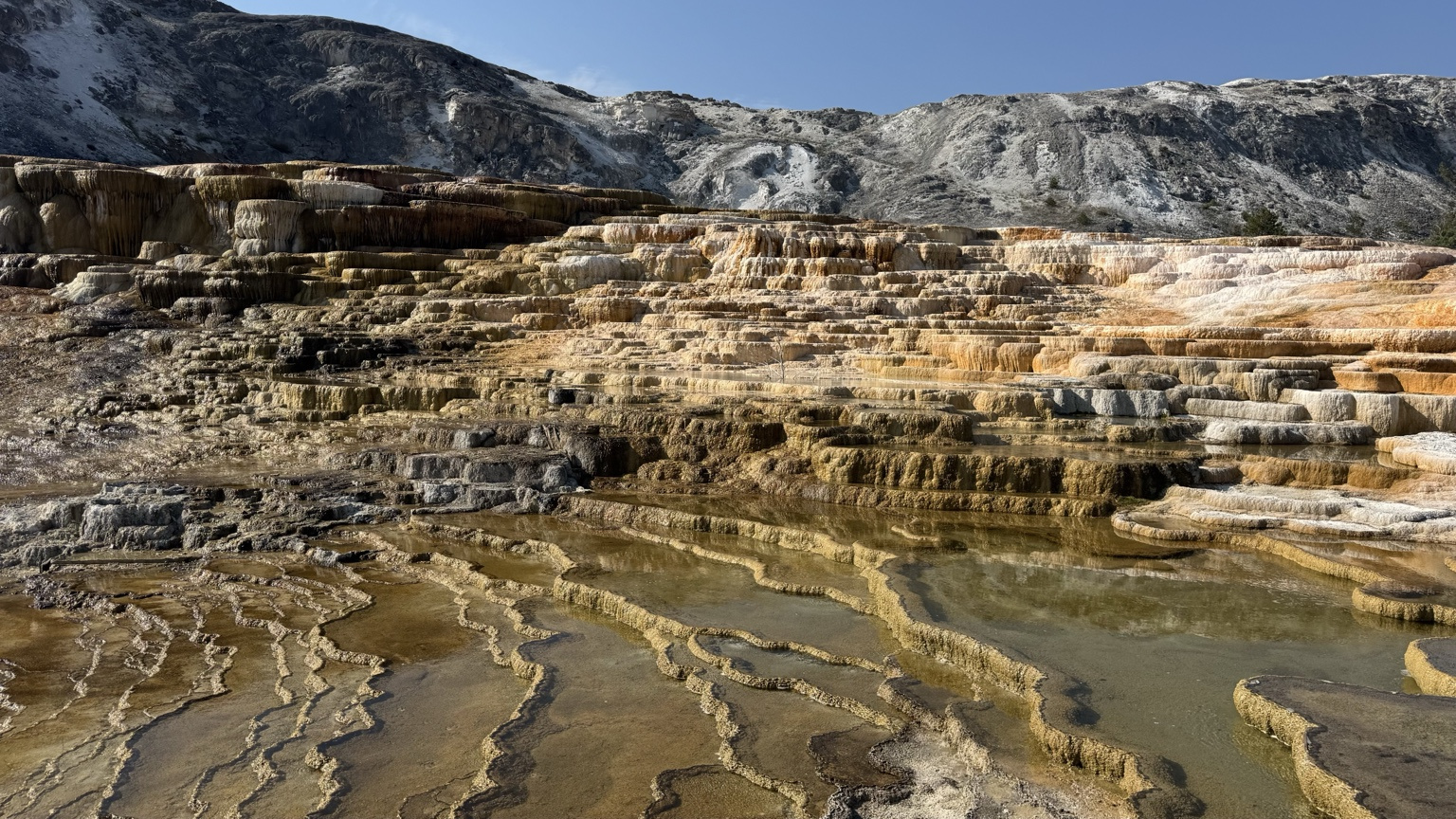
Mammoth Hot Springs is another completely different section of the park.
Trying to constantly cross Yellowstone from one side to another wastes a huge amount of time.
What I would do: Divide Yellowstone into sections and explore one section at a time.
Yellowstone National Park
Plan Yellowstone by Area
Yellowstone is much bigger than it looks. Start with the main highlights, then explore geothermal areas, wildlife valleys, waterfalls, lakes, campgrounds, and park entrances.
Explore by category
2. Don’t Come Only for Old Faithful
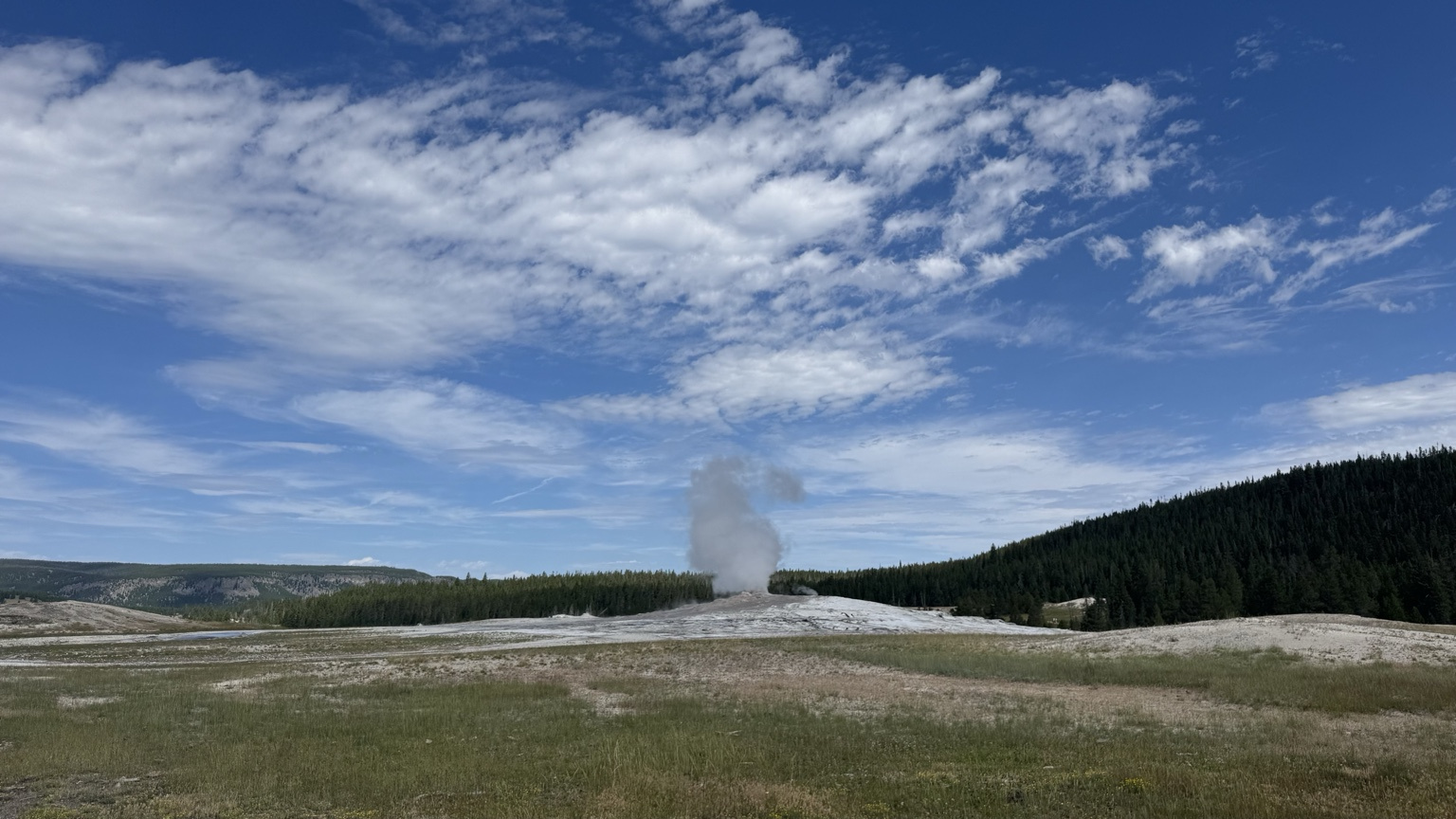
Old Faithful is probably the most famous attraction in Yellowstone, and of course you should see it.
But don’t build your entire Yellowstone trip around it.
We originally planned to visit Old Faithful and Grand Prismatic Spring and basically move on.
I’m very glad we didn’t.
Old Faithful is interesting, but Yellowstone became much more memorable for us once we started exploring beyond the famous geysers.
Lamar Valley in particular completely changed our impression of the park.
The huge open landscape, wildlife and feeling of driving through such a wild environment showed us a completely different side of Yellowstone.
Then there are places like the Grand Canyon of the Yellowstone, Lower Falls, Mammoth Hot Springs and Yellowstone Lake.
Old Faithful is one Yellowstone experience.
It isn’t the Yellowstone experience.
3. Give Yourself More Than One Day
Can you visit Yellowstone in one day?
Technically, yes.
Should you?
I wouldn’t recommend it unless that’s literally all the time you have.
With one day, you’ll spend a lot of time driving and probably leave feeling like you rushed through everything.
Two days is significantly better.
Three days gives you enough time to see several major areas.
After spending four days there, I thought four days worked extremely well because we didn’t have to turn every day into a race.
Our plans could change.
If we liked somewhere, we could stay longer.
If wildlife stopped traffic, it wasn’t ruining our entire itinerary.
If we were tired, we could slow down.
Yellowstone is one of those parks where having extra time makes the experience considerably better.
4. You Don’t Have to Camp Inside Yellowstone
This was especially important for us because we entered without a campsite reservation inside Yellowstone.
We were traveling in our RV and still needed somewhere legal to sleep every night.
Instead of giving up on Yellowstone because the popular campgrounds weren’t available, we stayed outside the park.
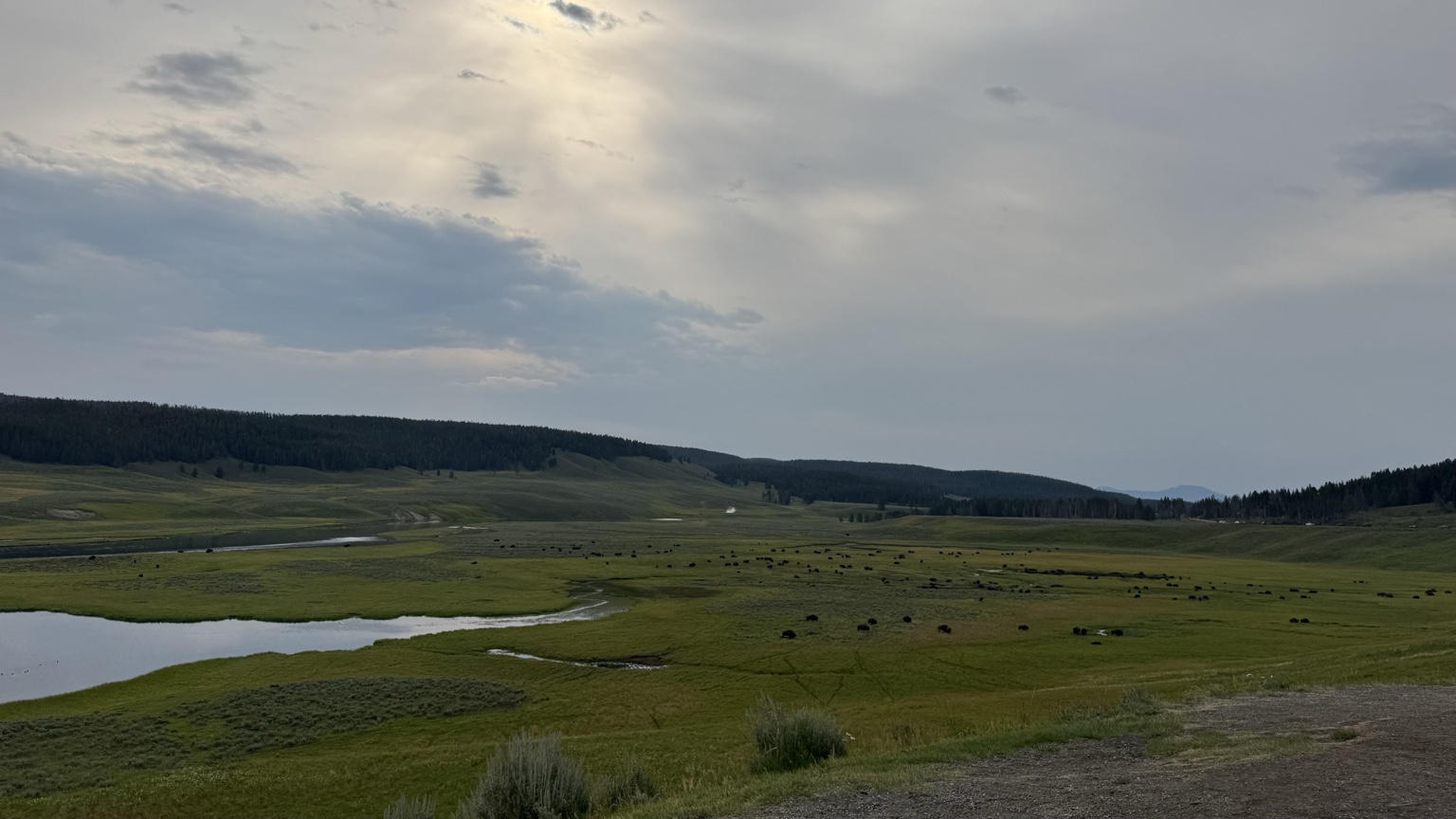
We used developed campgrounds near the East and Northeast entrances, including Threemile Campground and Soda Butte Campground.
That allowed us to continue exploring Yellowstone without having an in-park reservation.
There is definitely an advantage to camping inside Yellowstone. You can reduce driving and start your morning already inside the park.
But an outside campground can still work.
The important thing is understanding which entrance makes sense for what you want to see the following day.
Don’t randomly book the cheapest campground you find 60 miles away.
Look at your next day’s route first.
Then choose where you’re sleeping.
5. Your Campground Can Be Part of Your Route
This is something I understand much better after traveling full-time in an RV.
Where you sleep isn’t just where your day ends.
It affects tomorrow.
If tomorrow’s plan is Lamar Valley, staying near the Northeast Entrance can make a lot of sense.
If tomorrow’s plan is centered around a different section of Yellowstone, another entrance may be better.
We changed our Yellowstone route as we traveled rather than forcing ourselves to return to one distant campground every night.
For an RV road trip, I think this can work much better than treating one campground as your permanent base.
6. Start Early — But Not Just Because of Crowds
You’ve probably already heard the standard national park advice:
“Get there early.”
That’s definitely true in Yellowstone.
Popular parking areas become much busier later in the morning, and starting early gives you more flexibility.
But there’s another reason.
Wildlife.
Early mornings can be some of the most interesting hours in Yellowstone, particularly if you’re heading toward places like Lamar Valley.
And Yellowstone feels completely different early in the morning.
It’s quieter.
The roads are calmer.
Temperatures are cooler.
You aren’t immediately dealing with hundreds of people around every attraction.
I’d rather wake up extremely early in Yellowstone and take a break in the afternoon than start at 10 AM and spend the entire day fighting crowds.
7. Wildlife Traffic Is Real
This is something that’s difficult to account for when planning from home.
Your map might say somewhere is 45 minutes away.
That doesn’t mean you’re getting there in 45 minutes.
Sometimes traffic simply stops.
And sometimes the reason is a bison.
That’s Yellowstone.
People also stop when wildlife appears near the road, which can create long backups.
Instead of getting frustrated about it, I think it’s better to build extra time into your itinerary.
You’re in Yellowstone.
Seeing wildlife is part of why you’re there.
Don’t create such a tight schedule that seeing a bison somehow becomes an inconvenience.
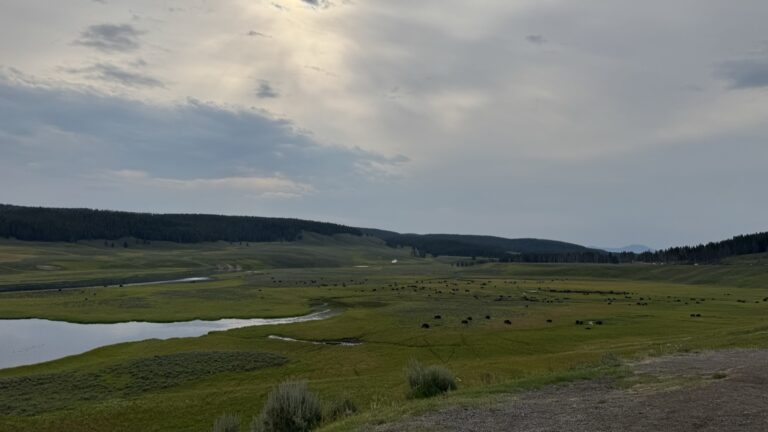
8. Lamar Valley Deserves More Time Than You Think
Lamar Valley ended up being one of my favorite parts of Yellowstone.
Before visiting, it wasn’t the main reason we were going to the park.
After visiting, it’s one of the places I would tell someone not to skip.
This is especially true if you’re interested in wildlife.
But even without animals, the drive itself is beautiful.
It feels much more open and wild than some of Yellowstone’s busiest geothermal areas.
If possible, visit early in the morning or later in the day and give yourself time.
Don’t treat Lamar Valley as another 20-minute stop.
Drive slowly.
Pull over legally when something catches your attention.
Bring binoculars if you have them.
This is one part of Yellowstone where slowing down really pays off.
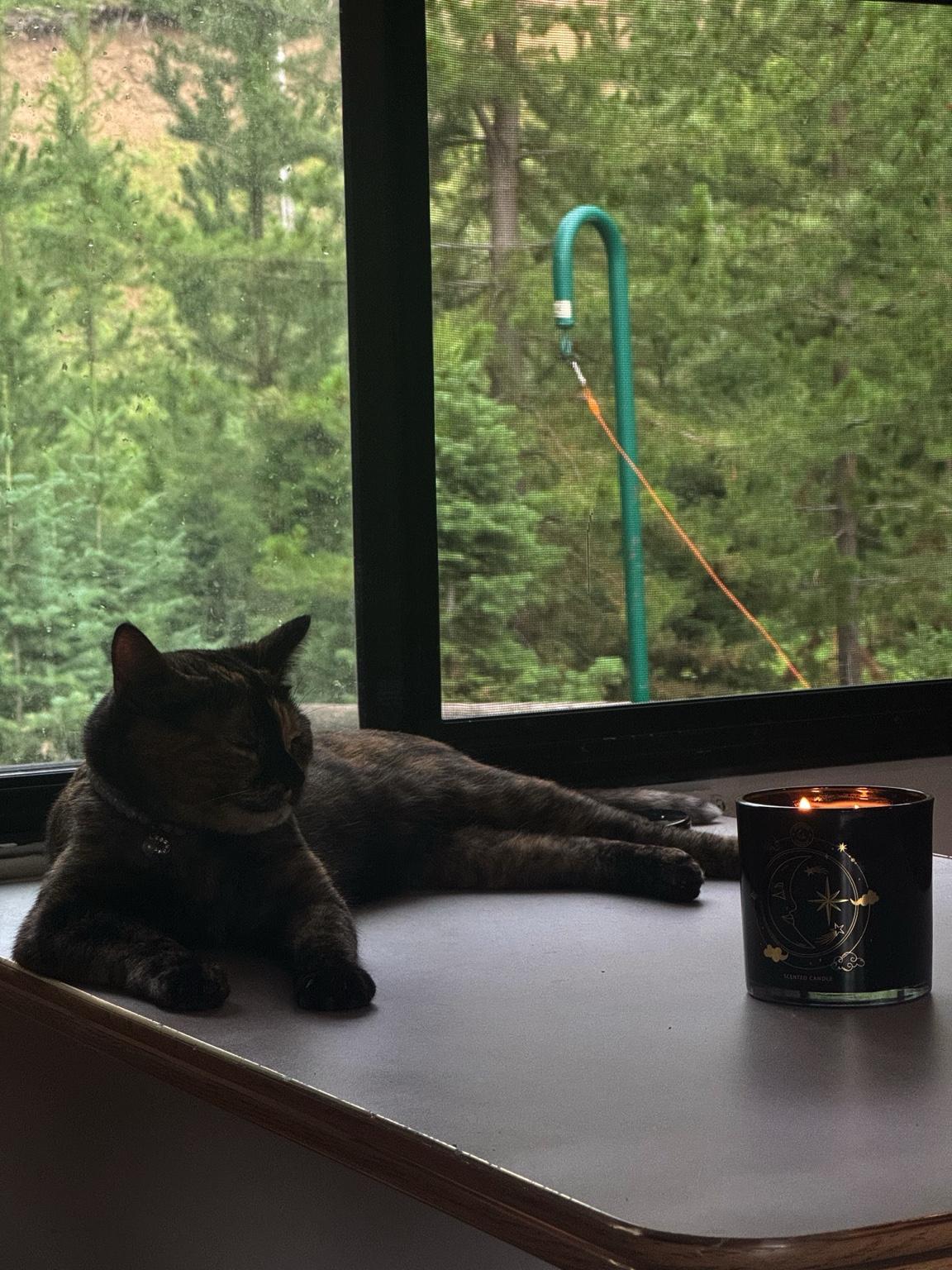
9. Grand Prismatic Spring Isn’t Just a Quick Stop
Grand Prismatic was one of the places we specifically wanted to see before entering Yellowstone.
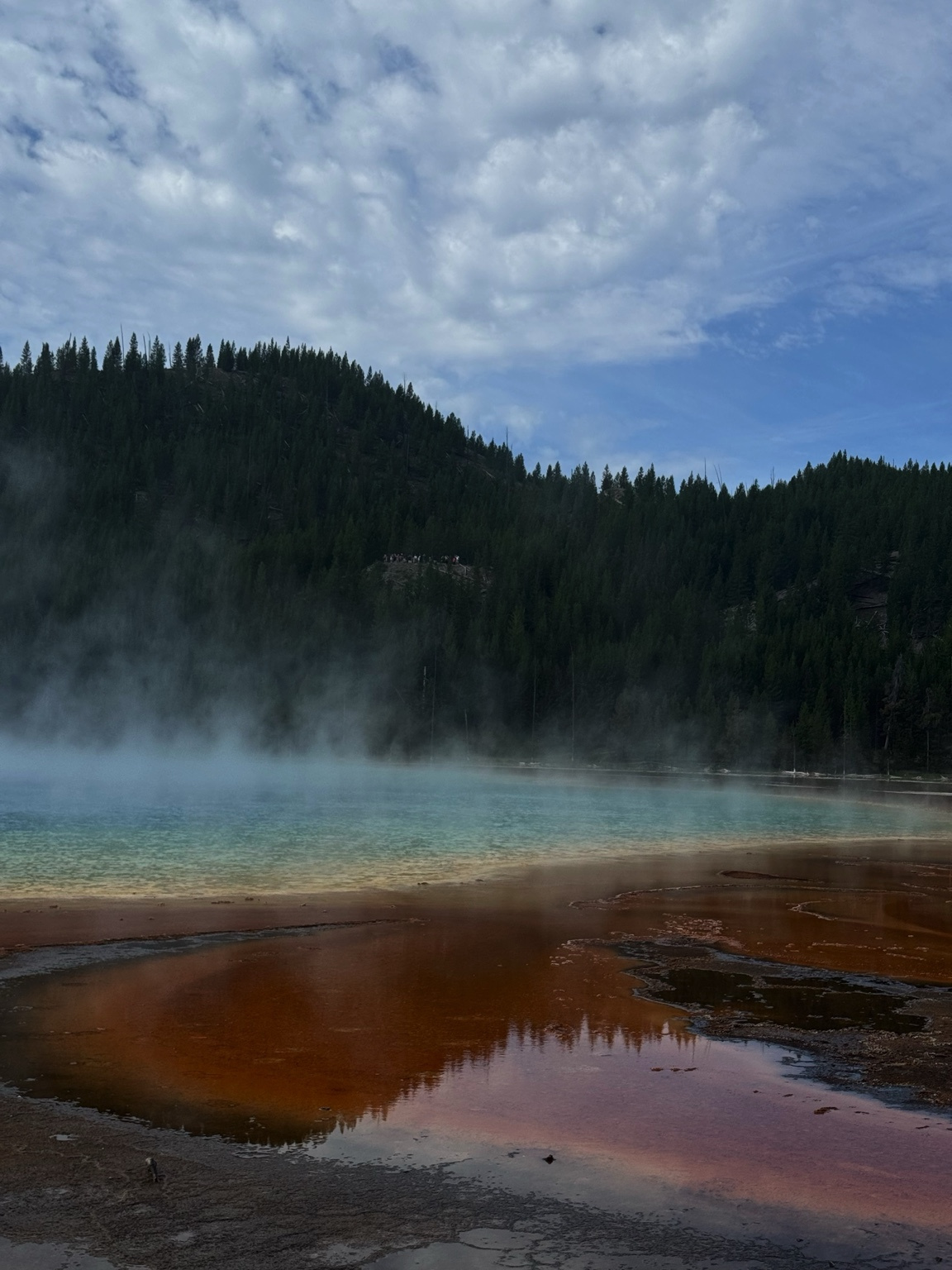
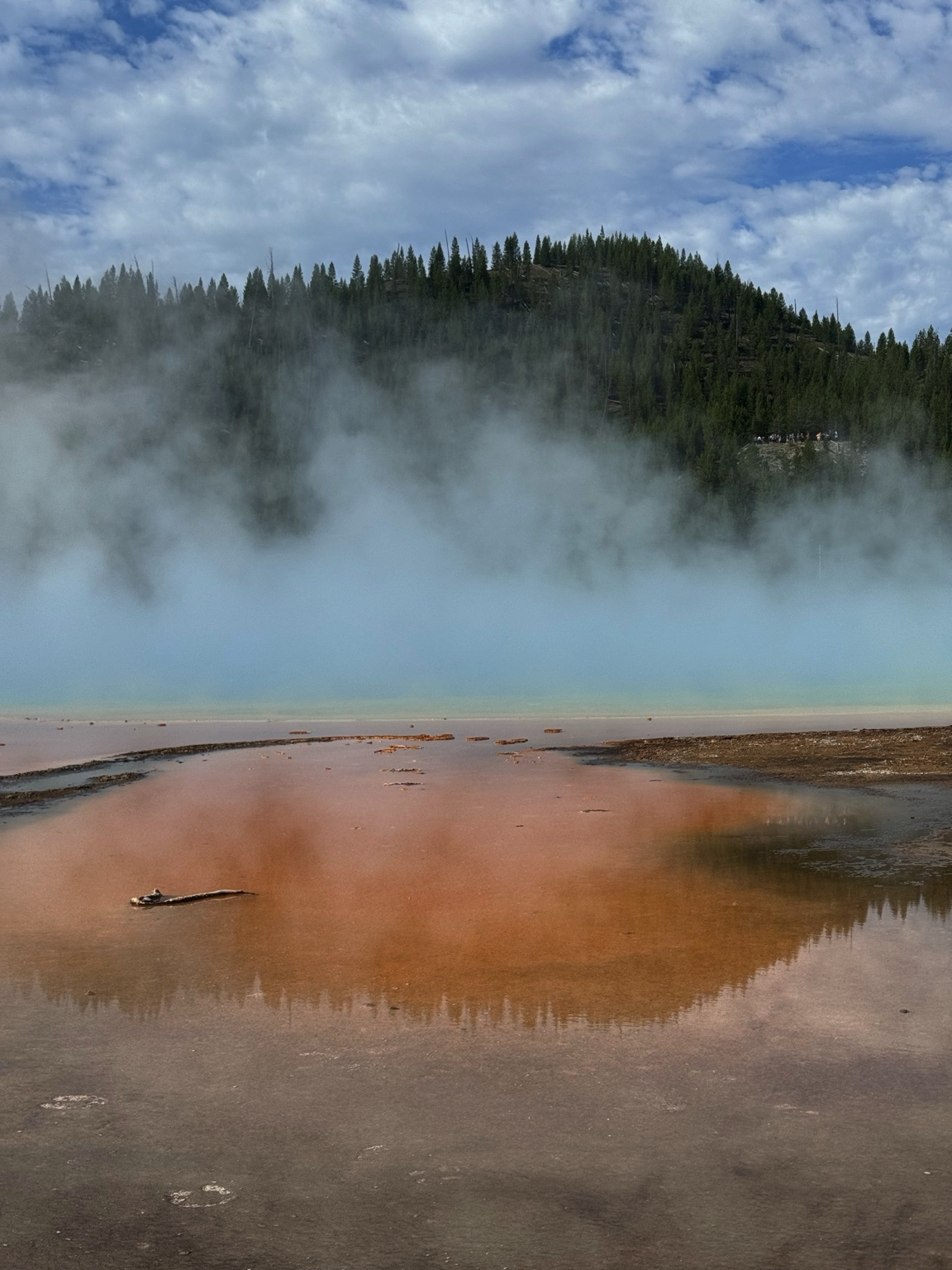
And yes, the colors really are incredible.
But there’s something important to understand when planning your visit.
The experience from ground level and seeing Grand Prismatic from above are very different.
Walking the boardwalk gets you close to the geothermal features, but the elevated perspective gives you a much better understanding of the size and colors of Grand Prismatic.
If this is one of your Yellowstone priorities, don’t automatically budget only 20 minutes for it.
Give yourself enough time to experience the area properly.
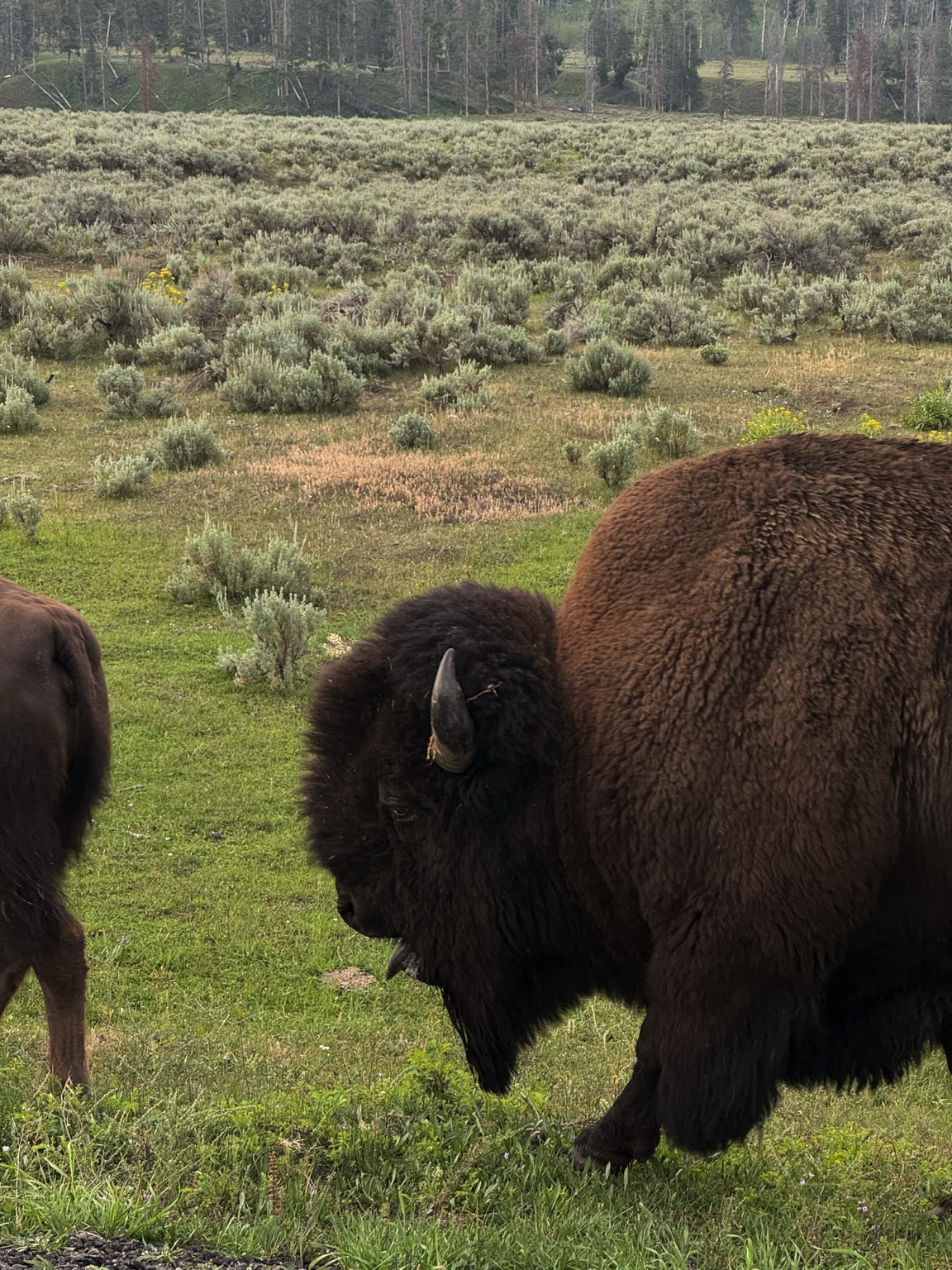
10. Yellowstone Weather Can Change Your Day
Even during summer, don’t assume every day will feel like a hot summer vacation.
You’re at elevation.
Morning temperatures can be very different from afternoon temperatures, and conditions can change quickly.
Bring layers.
Even if your weather app says the afternoon will be warm, you may be standing outside early in the morning watching wildlife or waiting for a geyser.
A light jacket that seemed unnecessary when you packed can suddenly become very useful.
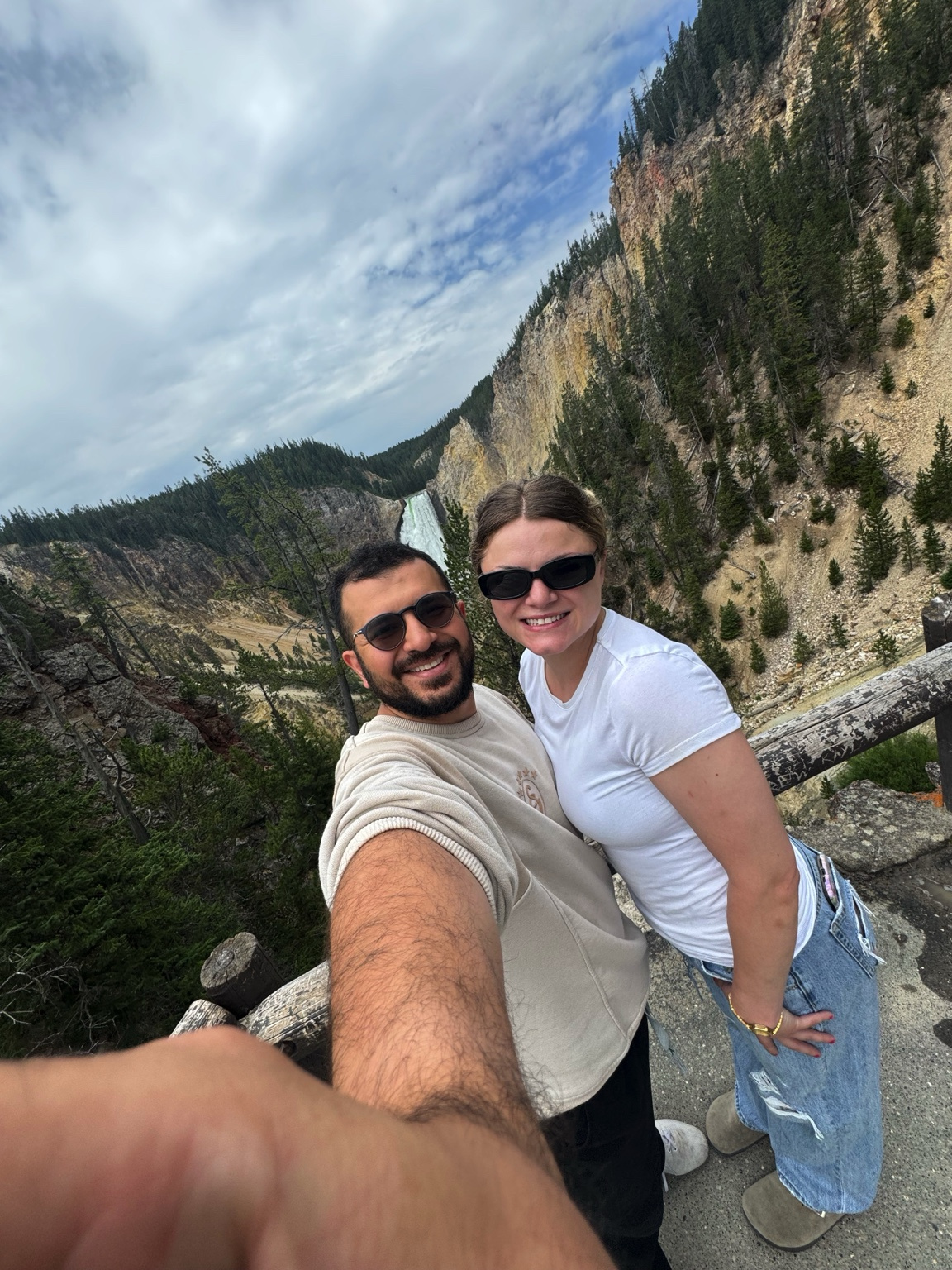
11. Download What You Need Before Entering the Park
Don’t build a Yellowstone trip that depends completely on your phone having perfect service.
Download maps before arriving.
Screenshot important campground information.
Save addresses.
Save reservation details.
If there’s a specific route you absolutely need, make sure you can access it offline.
This becomes even more important when you’re traveling in an RV and need to know where you’re sleeping that night.
Technology is great until you suddenly have no service and realize your entire plan exists inside an app that won’t load.
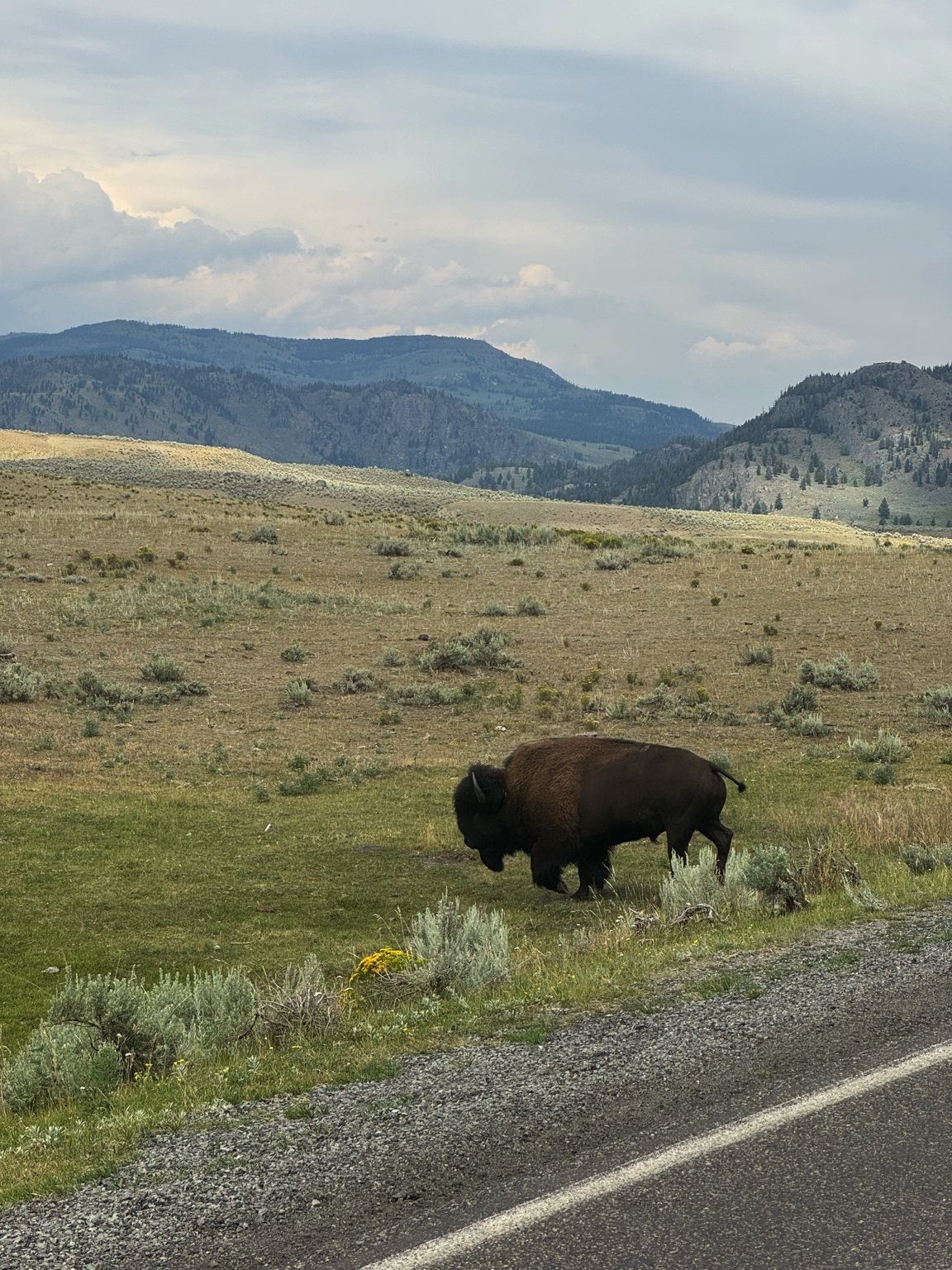
12. Don’t Let Your Gas Tank Get Too Low
This sounds obvious, but Yellowstone isn’t somewhere I like experimenting with the limits of a fuel gauge.
Distances are large.
You may change your route.
You may encounter traffic.
And if you’re driving an RV, your fuel consumption isn’t exactly amazing to begin with.
When I have an easy opportunity to fill up before a long Yellowstone driving day, I take it.
I’d rather have too much fuel than spend half the afternoon thinking about whether we’re going to make it to the next gas station.
13. An RV Changes How You Experience Yellowstone
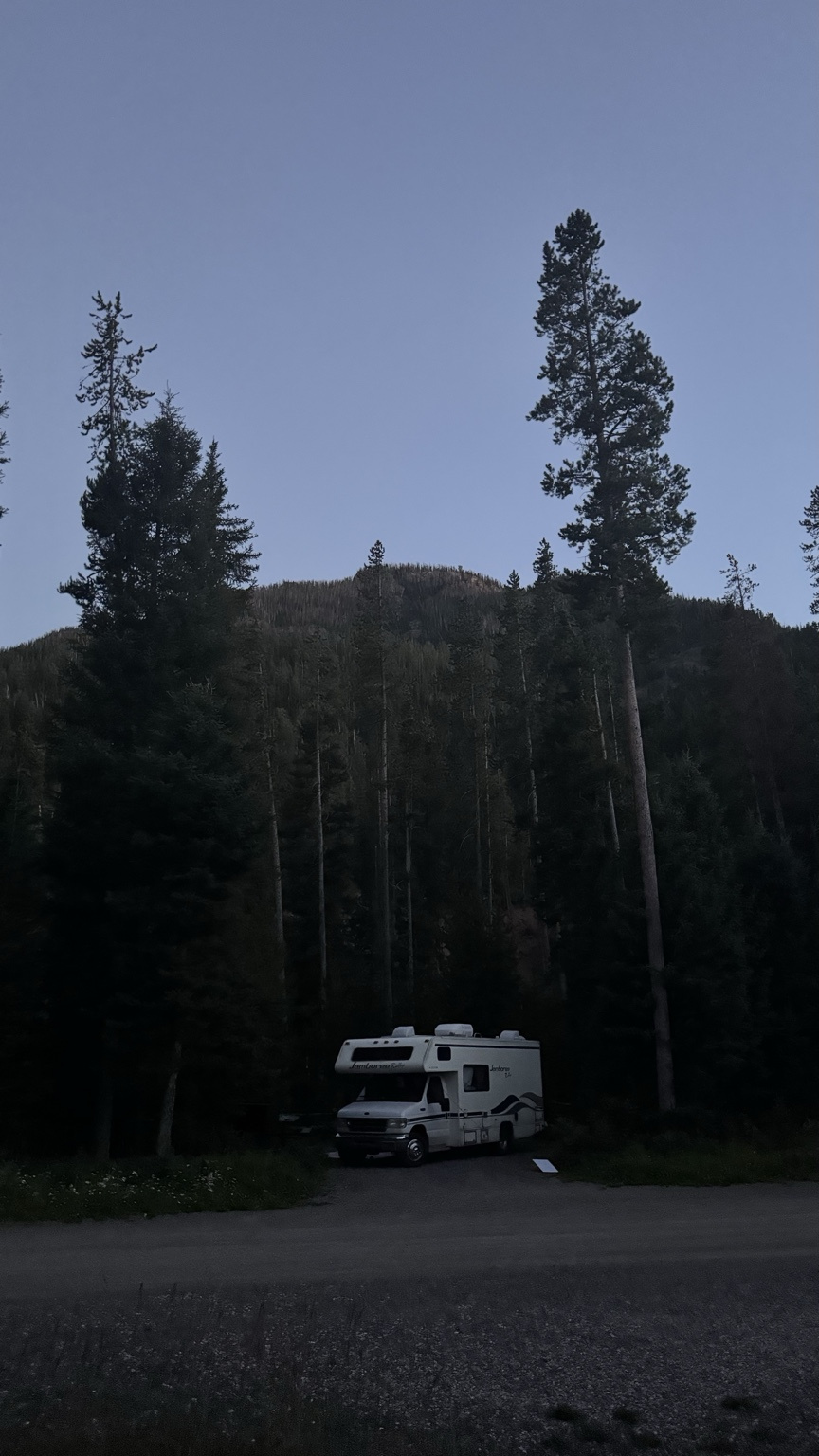
Traveling Yellowstone in an RV gives you some advantages.
You have your food.
You have your bathroom.
You have somewhere to sit and rest.
You can make coffee.
But it also requires more planning.
Parking is harder.
Busy lots become more annoying.
Turning around isn’t always simple.
And you need to think about where you’re legally sleeping every night.
If you’re visiting Yellowstone in a larger RV, I would be even more conservative with your itinerary.
Start earlier.
Know where you’re going.
Don’t assume every parking area will have an easy space waiting for you.
And have backup plans.
14. Keep Food Ready in Your Vehicle
One of the easiest ways to waste time in a national park is constantly searching for food.
Yellowstone is huge enough already.
We travel with our kitchen because we’re in an RV, so this is easier for us, but even if you’re visiting in a regular car, I’d bring food and plenty of water.
Sandwiches, snacks, fruit, drinks—whatever works for you.
Then when you find a beautiful picnic area or viewpoint, you can stop there instead of organizing your entire day around finding lunch.
15. Don’t Try to See Everything
This is probably the most important lesson.
Yellowstone is too big.
You’re going to miss something.
And that’s okay.
We entered planning to see basically two major attractions and ended up staying four days because we kept discovering more things we wanted to experience.
Even after four days, there was more we could have done.
I’d rather properly experience five places than drive past fifteen places so I can say I’ve “seen” them.
Pick your priorities.
Give yourself breathing room.
And allow Yellowstone to change your itinerary.
Some of our best experiences happened because we weren’t following the original plan anymore.
How Many Days Do You Really Need in Yellowstone?
If you’re deciding how much time to give Yellowstone, this is how I’d think about it after our trip.
One day: Only if that’s all you have. Pick one or two areas rather than trying to drive the entire park.
Two days: Enough for the major highlights if you’re organized and start early.
Three days: A much better first Yellowstone trip. You can see the famous geothermal areas, waterfalls and spend meaningful time looking for wildlife.
Four days: This is what we did, and I really liked the pace. It gives you flexibility instead of turning Yellowstone into a checklist.
Five days or more: Great if you want hiking, wildlife photography, slower mornings or simply don’t want to rush.
What I Would Do Differently Next Time
The biggest thing I would change is how we planned Yellowstone before arriving.
I underestimated the park.
I wouldn’t do that again.
Next time, I’d already know which sections I wanted to explore each day and choose our camping locations around those areas.
I’d also intentionally schedule more time for wildlife rather than treating wildlife sightings as something that might happen between attractions.
And I’d spend more time in Lamar Valley.
But I wouldn’t plan every hour.
One of the reasons our Yellowstone trip became so memorable was because our original plan fell apart—in a good way.
We arrived expecting a quick visit.
Four days later, we were still exploring.
Is Yellowstone Worth Visiting?
Absolutely.
But I think Yellowstone becomes much better when you stop treating it like a collection of famous attractions.
Yes, see Old Faithful.
Yes, see Grand Prismatic Spring.
But drive through Lamar Valley early in the morning.
Stop when you see something interesting.
Watch the bison.
Have lunch somewhere beautiful.
Walk away from the busiest attractions occasionally.
Give yourself enough time that changing your plans doesn’t feel like a disaster.
Yellowstone wasn’t originally supposed to be one of the longest stops on our route.
It became one anyway.
And that was probably the best indication that we had underestimated just how much there was to experience.
Planning Your Yellowstone Trip?
If you’re putting your trip together now, these guides can help you plan the next steps:
👉 Our Real 4-Day Yellowstone Itinerary — See exactly how we traveled through Yellowstone without an in-park campground reservation.
👉 Yellowstone Camping Guide — Find campgrounds and understand which areas make the most sense for your route.
👉 Best Yellowstone Hikes — Choose hikes based on how much time and energy you have.
👉 Yellowstone RV Guide — What RV travelers should know about driving, parking, camping and planning overnight stops.
The biggest advice I can give you is simple:
Give Yellowstone more time than you think it needs.
We almost gave it one day.
I’m very glad we didn’t.